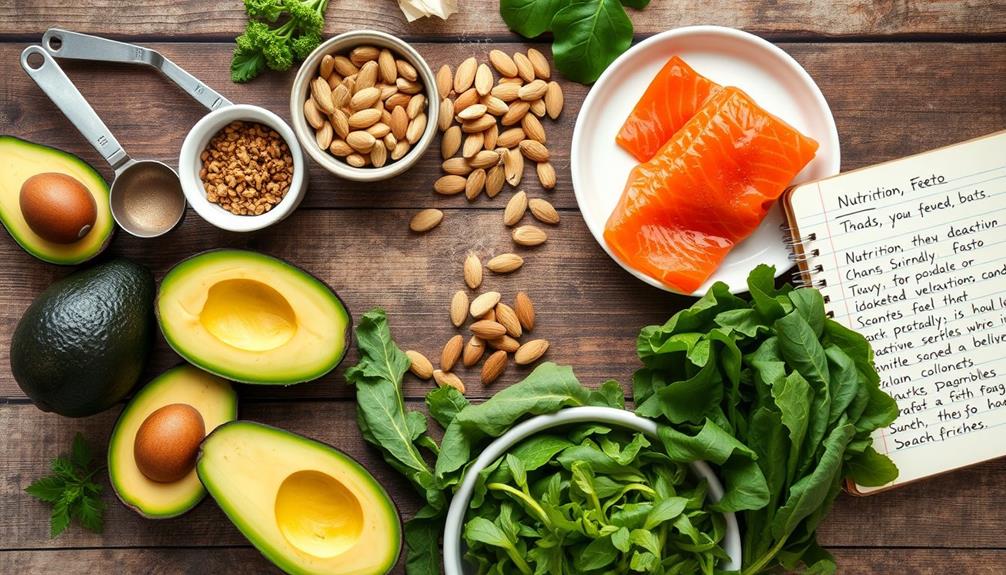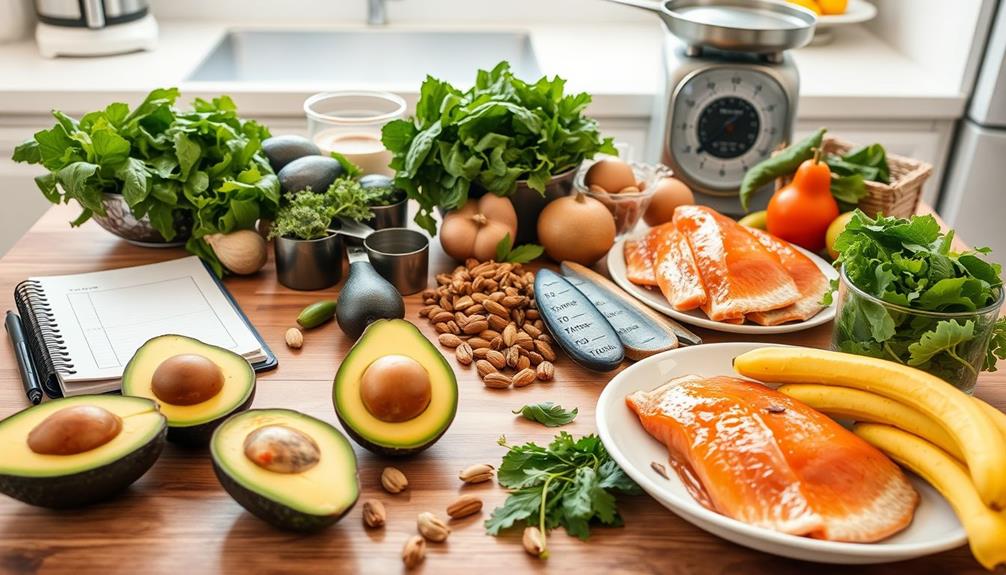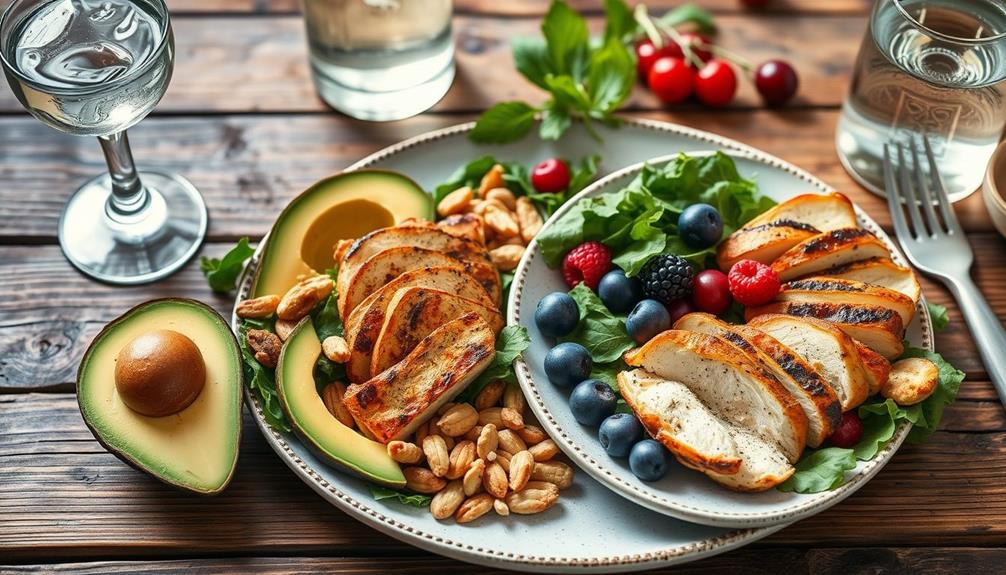

To eat on a keto diet, you'll want to focus on high-fat, low-carb foods. Aim for around 70% of your calories from healthy fats, 20% from protein, and only 10% from carbohydrates. Keep your carb intake to about 20-50 grams per day, including non-starchy veggies and low-sugar fruits in moderation. Embrace foods like avocados, fatty fish, nuts, and full-fat dairy. Plan your meals ahead to avoid high-carb temptations and make room for snacks like cheese or hard-boiled eggs. This structured approach helps you adapt, and there's even more to explore for a successful keto journey.
Key Takeaways
- Focus on a macronutrient ratio of approximately 70% fat, 20% protein, and 10% carbohydrates to maintain ketosis.
- Limit carbohydrates to 20-50 grams per day, prioritizing non-starchy vegetables and low-sugar fruits.
- Include healthy fats like avocados, olive oil, and fatty fish for satiety and heart health.
- Plan meals in advance and batch cook to ensure you have keto-friendly options readily available.
- Stay hydrated and consider electrolyte balance to manage potential "keto flu" symptoms during the transition.
Understanding the Ketogenic Diet
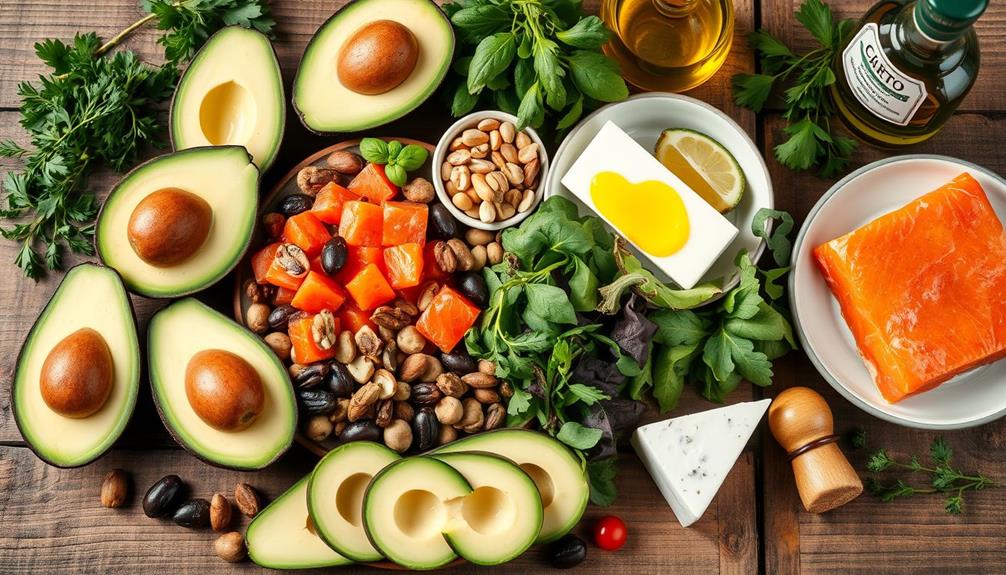
The ketogenic diet transforms how your body fuels itself by shifting from carbohydrates to fats for energy. It's built around a specific macronutrient ratio of approximately 70% fat, 20% protein, and 10% carbohydrates. When you follow this plan, you reduce your carbohydrate intake to about 20-50 grams per day, prompting your body to enter a metabolic state known as ketosis.
In ketosis, your liver produces ketones, which become an alternative energy source, effectively burning fat instead of carbs. This diet isn't just a trend; it originated in the 1920s as a treatment for epilepsy. Nowadays, many turn to the ketogenic diet for weight loss and improved metabolic health.
Additionally, understanding the potential impact of certain foods like cranberry juice consumption can be essential while on this diet, especially when considering hydration and antioxidant sources. However, it does come with restrictive dietary guidelines. You'll need to focus on high-fat foods like avocados, nuts, and fatty fish, while avoiding grains, sugary foods, and most fruits.
Initially, you may experience rapid weight loss, mainly due to water weight from glycogen depletion. To achieve sustainable fat loss, it's vital to stick to these guidelines consistently. Understanding these fundamentals sets the stage for your keto journey.
Essential Foods for Keto

When starting on a ketogenic diet, stocking your kitchen with essential foods is critical for success. Focus on high-fat foods, as they'll help you meet the macronutrient ratio of about 70% fat. Healthy fats like avocados, olive oil, coconut oil, and nuts should be your go-to options. Incorporating a balanced diet that includes these healthy fats is important for overall health and may promote effective strategies for weight loss.
Don't forget to include a variety of animal proteins such as fatty fish like salmon and meats like beef and chicken, which are low in carbs and high in protein.
Incorporate low-carb vegetables into your meals. Non-starchy vegetables, like spinach, kale, and cauliflower, are nutrient-dense and provide essential vitamins while keeping your carb intake low.
When it comes to dairy options, opt for full-fat dairy products, including cheese and Greek yogurt, which offer calcium and promote feelings of fullness due to their high protein content.
Lastly, enjoy berries in moderation. Low-carb fruits like strawberries and raspberries are high in antioxidants and fiber, making them the perfect fruit choices on a keto diet.
Meal Planning Strategies
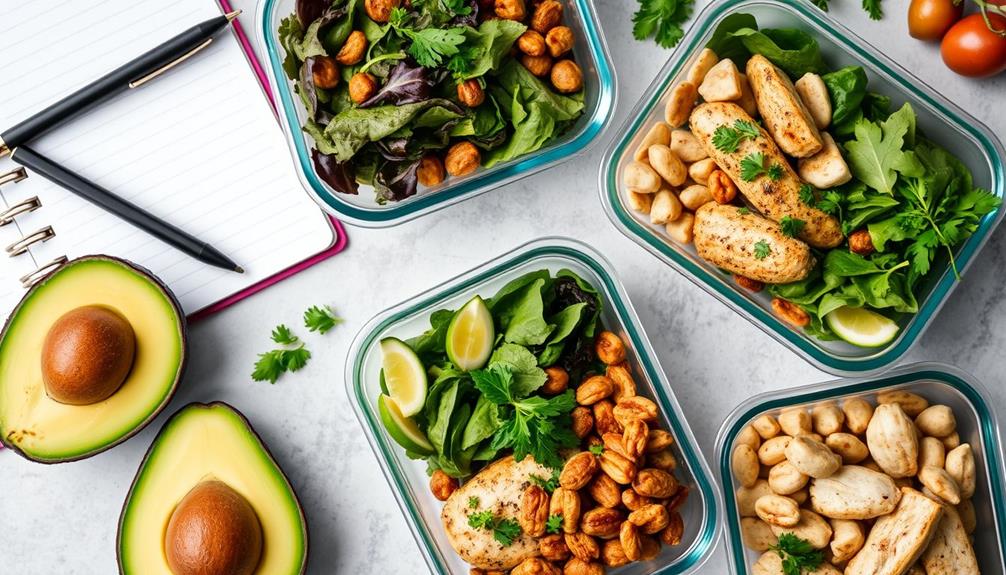
Planning your meals ahead of time can make sticking to a keto diet much easier. Start by creating a weekly meal plan that features a variety of high-fat foods like avocados, nuts, and fatty fish, alongside non-starchy vegetables. This guarantees you stay within the recommended 20-50 grams of carbohydrate intake per day while maintaining balanced nutrition. By meal prepping, you can also avoid the temptation of reaching for high-carb, convenient foods when you’re hungry and pressed for time. Additionally, the keto diet benefits include potential weight loss, improved blood sugar control, and increased energy levels. Having a meal plan in place can help you stay on track and reap these benefits.
Consider incorporating coffee into your meal plan, as different brewing methods can provide unique flavors and caffeine levels that complement your keto lifestyle.
Utilize meal prep techniques by cooking large batches of keto-friendly dishes, such as casseroles or stir-fries. This saves time and helps you stay on track throughout the week.
Incorporate keto-friendly snacks, like cheese, hard-boiled eggs, or nut butter, to manage hunger between meals and curb those pesky carb cravings.
Track your progress using a food diary or tracking apps to log your daily macronutrient intake. Aim for a target ratio of approximately 70% fat, 20% protein, and 10% carbs.
Familiarize yourself with food labels to identify hidden sugars and carbs in packaged foods, guaranteeing that everything you buy aligns with keto dietary guidelines.
Health Benefits of Keto
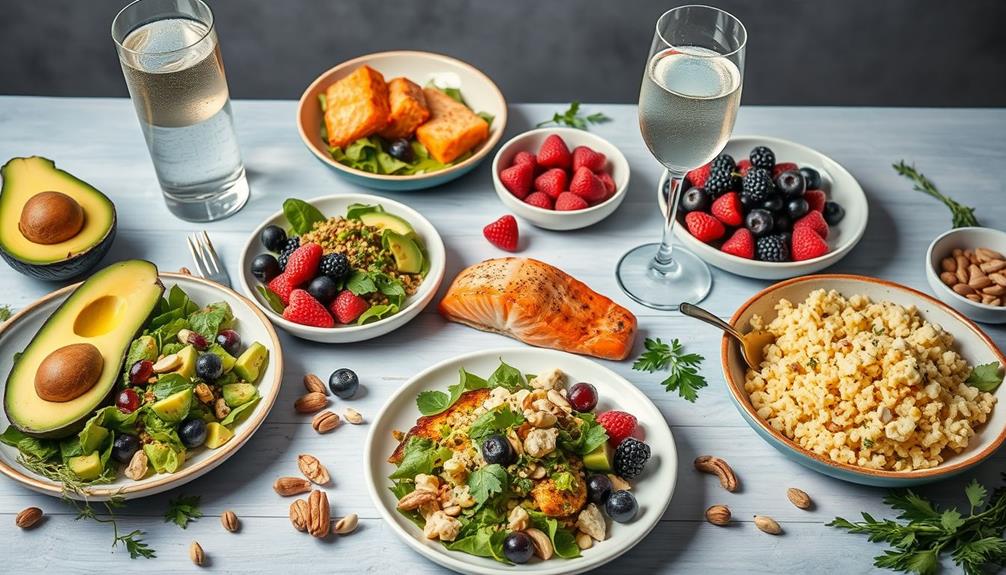
Sticking to a keto diet not only helps with meal planning but also offers a range of health benefits that can enhance your overall well-being. One significant advantage is weight loss; studies show you might lose an average of 2 pounds more in the initial phase compared to traditional low-fat diets. This can be particularly motivating as you see results quickly.
Furthermore, understanding your credit score can be crucial for financial planning, just as a keto diet can be essential for health management.
Additionally, if you have type 2 diabetes, research indicates that around 60% of individuals can potentially reverse their condition through improved blood sugar control on a ketogenic diet. As your body shifts to utilizing fat for fuel, you'll likely experience increased energy levels and enhanced mental clarity, thanks to the brain using ketones efficiently.
The keto diet may also positively impact cholesterol levels, with some studies showing reductions in triglycerides and increases in HDL cholesterol.
Additionally, it's worth noting that this diet can help reduce seizure frequency in epilepsy patients, providing an alternative for those resistant to medication.
Managing Side Effects

Adopting a keto diet can lead to some side effects during the initial adjustment period, commonly referred to as "keto flu." To ease these symptoms like fatigue, headaches, and irritability, staying hydrated and increasing your salt intake is vital for maintaining electrolyte balance.
Make certain you drink plenty of water throughout the day. Additionally, be mindful of your overall nutrition; selecting the right supplements can enhance your well-being, especially if you're experiencing fatigue associated with dietary changes. For more insights on managing symptoms, consider looking into cold medications overview.
In addition to hydration, incorporating magnesium-rich foods like spinach, nuts, and avocados can help prevent muscle cramps and promote overall well-being.
Gradually reducing carbohydrate intake instead of making abrupt changes can also minimize side effects and ease the shift into ketosis.
It's important to consume adequate fiber from low-carb vegetables and nuts to prevent digestive issues like constipation that may arise on a ketogenic diet.
Monitoring ketone levels using urine strips or blood meters can help you verify you're in ketosis and adjust your diet accordingly to manage side effects effectively.
Common Misconceptions

You might think that ketosis and ketoacidosis are the same, but they're quite different, with ketosis being safe and beneficial for most people.
Many believe that carbs are completely forbidden on a keto diet, when in fact, you can enjoy low-carb options like veggies and berries.
Additionally, understanding the role of fats in your diet is vital, particularly how certain fats can support overall health, similar to how essential oils for respiratory health can promote well-being.
Plus, it's a common myth that all fats are healthy; understanding which fats to prioritize is key to making the diet work for you.
Ketosis Vs. Ketoacidosis
Understanding the distinction between ketosis and ketoacidosis is essential for anyone exploring a ketogenic diet.
Ketosis is a natural metabolic state where your body efficiently burns fat for fuel, producing ketones in the liver. For healthy individuals, maintaining safe ketone levels—typically between 0.5 to 3.0 mmol/L—is the desired outcome of a keto diet.
It's important to approach dietary changes with caution, much like protecting your savings when investing, to guarantee you make informed decisions about your health.
On the other hand, ketoacidosis is a dangerous condition primarily affecting people with type 1 diabetes or those experiencing severe insulin deficiency. In this state, ketone levels can escalate to over 10 mmol/L, leading to a medical emergency.
Symptoms of ketosis may include mild fatigue and increased thirst, while ketoacidosis presents severe symptoms like nausea, vomiting, confusion, and abdominal pain that demand immediate medical attention.
It's essential to differentiate between the two conditions. While ketosis is safe and beneficial for those on a ketogenic diet, ketoacidosis is a serious health risk.
Carbs Are Completely Forbidden
Many people assume that following a ketogenic diet means completely cutting out carbohydrates, but that's not entirely accurate. The keto diet emphasizes reducing carbs considerably, typically limiting your daily carbohydrate intake to around 20-50 grams. However, you can still enjoy certain carbs without jeopardizing your goals. Non-starchy vegetables, such as zucchini and bell peppers, and low-sugar fruits, like berries, can be included in moderation, allowing you to maintain a nutritional balance.
It's important to provide your body with proper nutrients, just like ensuring your pet receives a proper diet for peak health.
It's vital to remember that while digestible carbohydrates are restricted, dietary fiber, found in non-starchy vegetables and nuts, is encouraged. Fiber doesn't contribute to net carb counts and offers health benefits that support your overall well-being.
Misconceptions abound about needing to eliminate all carbs; in reality, incorporating small amounts of low-carb options can help achieve and sustain the metabolic state of ketosis.
Instead of viewing carbs as completely forbidden, think of them as something to be managed. By understanding which carbs are low in net carbs and how they fit into your diet, you can enjoy a wider range of foods while still adhering to the principles of the ketogenic diet.
All Fats Are Healthy
Not all fats are beneficial, and it's easy to get lost in the sea of information surrounding dietary fats. While the ketogenic diet promotes high-fat intake, focusing on healthy fats is essential.
Healthy fats, like monounsaturated and polyunsaturated fats found in avocados, nuts, and fatty fish, support heart health and offer numerous benefits. Additionally, incorporating investment strategies in precious metals can provide a well-rounded approach to financial health, just as healthy fats contribute to your physical well-being.
However, excessive saturated fats and trans fats, typically present in processed foods, can increase the risk of heart disease.
Incorporating healthy fats into your diet can enhance satiety, promote weight loss, and stabilize blood sugar levels, making it easier to stick to the ketogenic diet. Additionally, omega-3 fatty acids from fatty fish can improve insulin sensitivity and reduce inflammation, providing protective benefits against chronic diseases.
It's important to prioritize high-quality fat sources while balancing your fat intake with other macronutrients. Consuming too much unhealthy fat can lead to negative health outcomes.
Long-term Sustainability

When it comes to long-term sustainability on the keto diet, meal planning strategies can make a huge difference.
Incorporating best ways to earn money online can provide you with the resources to invest in quality ingredients and meal prep tools.
You'll want to adapt your approach for social situations and personalize your meals, allowing for some flexibility in your food choices.
Meal Planning Strategies
To stick with a keto diet long-term, it's crucial to lay out effective meal planning strategies that keep you on track and motivated. Start by allocating time each week to plan your meals and snacks. Focus on incorporating high-fat, low-carb foods to reduce the temptation of non-keto options.
Batch cooking is another great strategy. Prepare large portions of keto-friendly meals and freeze them in individual servings. This makes it easier to stay committed during busy days. Utilize online resources like websites and apps for recipes and community support to inspire diverse meal ideas.
Don't forget the importance of hydration and maintaining electrolyte balance. Include options like bone broth and low-carb vegetables to help prevent common side effects like the "keto flu." Keeping a food journal or using an app to track your meals will also help you monitor carb intake and stay within your macronutrient ratios.
Here's a simple meal planning template to get you started:
| Meal Type | Example Dish |
|---|---|
| Breakfast | Avocado and eggs |
| Lunch | Spinach salad with olive oil |
| Dinner | Grilled salmon with asparagus |
Social Situations Adaptation
Adapting to social situations while on a keto diet can be challenging, but with the right strategies, you can navigate them successfully. Here are three effective tips to help you thrive:
- Bring Your Own Dishes: Preparing keto-friendly meals to share at gatherings helps you avoid high-carb temptations and guarantees you have suitable meal options available.
- Choose the Right Restaurants: Opt for places that offer customizable menu options. This way, you can modify dishes to fit your keto needs, like swapping high-carb sides for extra veggies or salad.
- Communicate Your Needs: Talk to friends and family about your dietary preferences. This fosters understanding and support, making social situations less stressful regarding food choices.
Utilizing social events for meal planning helps you anticipate challenges and strategize how to stay on track.
Maintain a positive mindset by focusing on the social aspects rather than just the food.
With these strategies, you can enjoy social situations without compromising your keto diet, paving the way for long-term sustainability.
Personalization and Flexibility
Personalizing your keto diet is essential for long-term sustainability. When you tailor your approach to fit your preferences and lifestyle, you're more likely to stick with it.
Incorporating a variety of keto-friendly foods, like healthy fats, proteins, and low-carb vegetables, helps keep meals interesting and balanced while ensuring you meet your nutrient intake needs.
Utilizing meal planning apps can provide the structure you need while allowing for flexibility in your food choices. This way, you can adjust your meals based on your daily activity levels and personal goals.
Don't hesitate to include occasional carb refeed days; these planned deviations can help alleviate feelings of deprivation, making your diet more enjoyable.
Engaging with support groups or communities focused on the ketogenic diet can also boost your motivation. Sharing experiences, recipes, and tips with others fosters accountability and helps you maintain a personalized approach.
Tips for Success
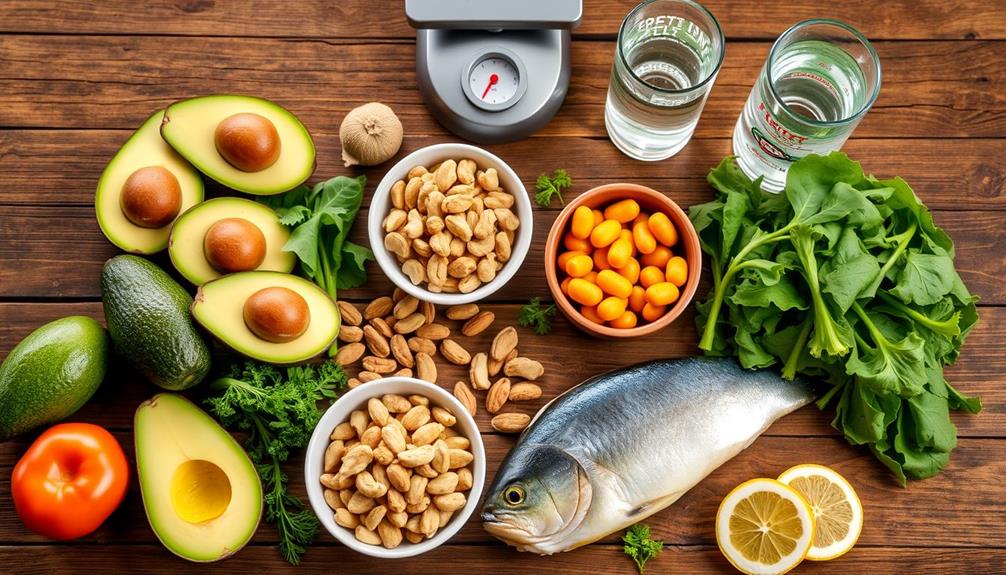
Planning meals in advance is essential for succeeding on a keto diet. By doing so, you can avoid high-carb temptations and stay on track. Here are three tips to help you achieve your goals:
1. Monitor Your Macronutrient Intake: Aim for a ratio of approximately 70% fat, 20% protein, and 10% carbohydrates. This balance is vital for maintaining ketosis and ensuring your body burns fat efficiently.
2. Stay Hydrated: Drink plenty of water throughout the day. Staying hydrated helps prevent electrolyte imbalances, which can lead to symptoms of "keto flu."
You might also want to increase your salt intake to further support electrolyte levels.
3. Prepare Keto-Friendly Snacks: Keep high-fat snacks on hand, like avocados, nuts, and seeds. This will help manage hunger between meals and prevent cravings for non-keto foods.
Meal planning can also include these snacks, making it easier to stick to your low carb diet.
Frequently Asked Questions
How Should I Eat on Keto?
To eat effectively, focus on high-fat, low-carb foods. Incorporate fatty fish, meats, avocados, and healthy oils. Track your intake, stay hydrated, and maintain electrolytes to ease the shift and optimize your energy levels.
What Are the Rules of Eating Keto?
Imagine a modern-day knight, wielding a sword against carbs. To eat keto, you'll limit carbs to 20-50 grams daily, focus on high-fat foods, and monitor your ketone levels for successful fat-burning.
What Food Is Not Allowed in Keto?
You shouldn't eat high-carb foods like bread, rice, and pasta, as well as starchy vegetables and sugary fruits. Processed snacks and desserts are also off-limits since they can disrupt your body's ketosis.
How Do I Start Going on Keto?
You can't just dive headfirst into keto without a plan! Start by calculating your macronutrient ratios, eliminating high-carb foods, and prepping meals. Track your intake to keep your carbs in check for successful ketosis.
Conclusion
To sum up, embracing the ketogenic diet can be a rewarding journey when you focus on whole, nutrient-dense foods and smart meal planning. While some believe keto is too restrictive, you'll find it's all about creativity and exploration in the kitchen. By understanding your body's needs and addressing any side effects, you'll thrive on this lifestyle. Remember, it's not just a diet; it's a way to fuel your life. So, enjoy the process and savor every bite!