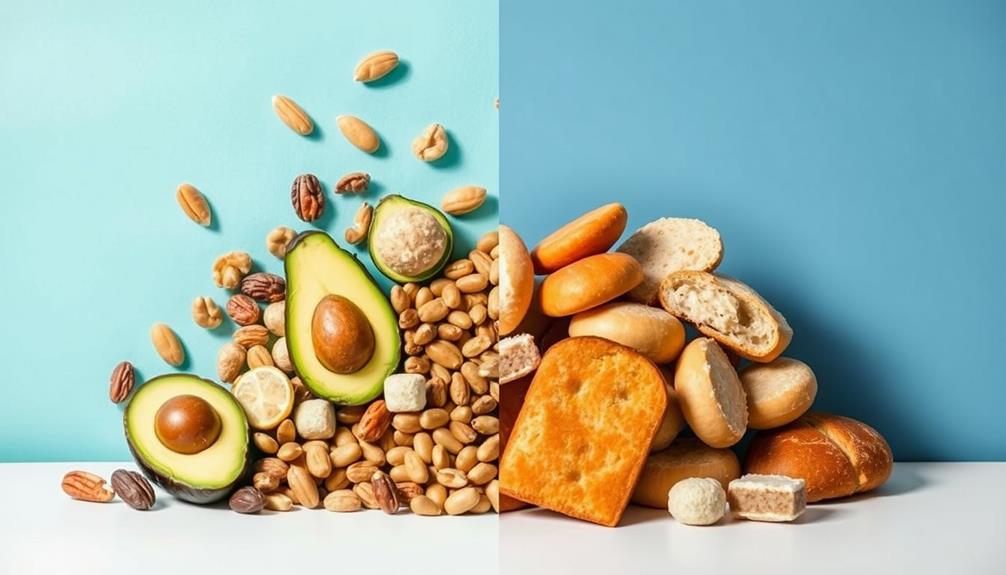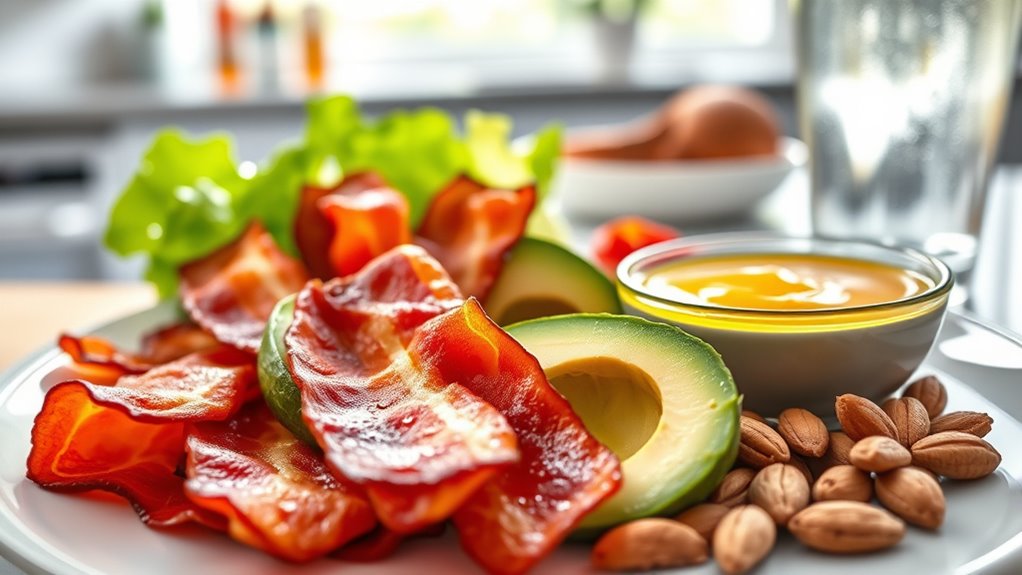

The keto flu refers to temporary symptoms like fatigue, headaches, and irritability that happen as your body adjusts to burning fat instead of carbs. To avoid or reduce it, gradually lower your carb intake, stay well-hydrated, and replenish electrolytes with salt, potassium, and magnesium. Focus on nutrient-dense foods and give your body time to adapt. Want to learn what else can help you make a smooth switch? Keep exploring for practical tips.
Key Takeaways
- Keto flu is a temporary set of symptoms like fatigue and headaches caused by the body’s adjustment to burning fat instead of carbs.
- Gradually reducing carbohydrate intake helps prevent keto flu symptoms.
- Maintaining proper hydration and replenishing electrolytes (sodium, potassium, magnesium) can reduce discomfort.
- Incorporate healthy fats and nutrient-dense foods to support your body’s transition to ketosis.
- Patience and mindful meal planning are essential for a smoother adaptation to a keto diet.

Have you ever heard of the “keto flu”? It’s a common term used to describe the temporary symptoms many people experience when they start the ketogenic diet. The keto diet shifts your body from burning carbs to burning fat for energy, but this changeover isn’t always smooth. Some folks believe the keto flu is just a myth, but in reality, it’s a real set of symptoms caused by your body adjusting to a new fuel source. Understanding what causes these symptoms and how to avoid them requires dispelling nutrition myths and planning your meals carefully.
Keto flu symptoms are real and caused by your body’s adjustment to burning fat instead of carbs.
A lot of people jump into the keto diet thinking they can drastically cut carbs overnight without any consequences. That’s a nutrition myth that can lead to unnecessary discomfort. Your body needs time to adapt to the reduced carbohydrate intake, and rushing this process can trigger symptoms like fatigue, headaches, irritability, and brain fog. To avoid this, proper meal planning is essential. You should gradually reduce your carb intake instead of going cold turkey. This helps your body slowly shift into ketosis, minimizing the shock to your system.
When meal planning, focus on incorporating healthy fats, moderate protein, and low-carb vegetables. Don’t fall for the misconception that you can eat unlimited amounts of processed meats or saturated fats. Instead, prioritize whole, nutrient-dense foods like avocados, nuts, seeds, and oily fish. Hydration is often overlooked but is vital during this changeover. Drinking plenty of water and replenishing electrolytes—like sodium, potassium, and magnesium—can prevent the common symptoms associated with the keto flu. Electrolyte imbalance is a frequent cause of headaches and fatigue, so consider adding a pinch of salt to your meals or drinking electrolyte-enhanced beverages.
Another key aspect is addressing nutrition myths around supplements. Some believe they can rely solely on pills to fix keto flu symptoms, but that’s a misconception. Proper meal planning and maintaining a balanced intake of nutrients are more effective. Also, don’t forget that your body needs time to adapt, so give yourself grace during this period. If you experience persistent symptoms, it might be a sign that your meal plan needs tweaking—perhaps more fats or fluids—or that you’re not getting enough electrolytes.
Additionally, be aware that not all sources of information about the keto diet are accurate; consulting trusted resources and understanding an essential aspect like the body’s adaptation process can help you navigate this transition more effectively.
In short, understanding the reasons behind the keto flu and approaching your diet with a mindful meal plan can make this changeover much smoother. Avoid nutrition myths, be patient, and listen to your body. With proper planning, you’ll soon be able to enjoy the benefits of ketosis without the unwanted side effects.
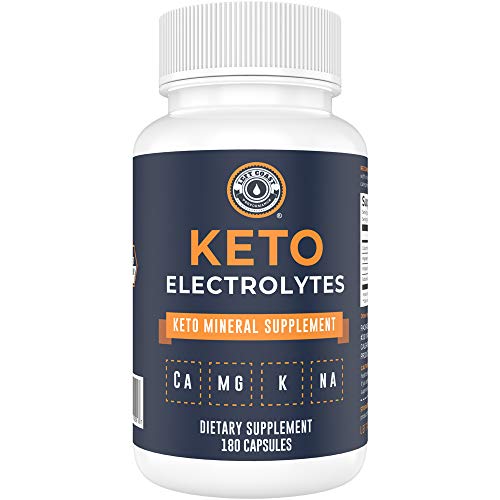
Keto Electrolyte Supplement, 180 Capsules. Electrolyte Pills for Ketogenic Diet. Magnesium, Potassium, Sodium, Calcium. Keto Tablets for Hydration Support* by Left Coast Performance
Ideal For the Keto Diet & Low Carb Diets: Our formulation focuses on the ingredients you need (Magnesium,…
As an affiliate, we earn on qualifying purchases.
As an affiliate, we earn on qualifying purchases.
Frequently Asked Questions
How Long Does the Keto Flu Typically Last?
The keto flu usually lasts about 3 to 7 days, but the duration questions vary depending on your body and adaptation speed. During this symptom timeline, you might experience fatigue, headaches, and irritability. To shorten this phase, stay hydrated, maintain electrolyte balance, and eat enough fats. Monitoring your symptoms helps you understand when you’ll start feeling better, with most people noticing relief within a week.
Can I Prevent the Keto Flu Before Starting?
Yes, you can prevent the keto flu by preparing with meal planning and hydration strategies. Make sure to plan low-carb, nutrient-dense meals to ease your shift. Stay well-hydrated by drinking plenty of water and consider adding electrolytes like magnesium or potassium. This proactive approach helps your body adjust smoothly, reducing the chances of experiencing symptoms, and keeps you energized and on track during your keto journey.
Are There Specific Foods That Help Avoid Keto Flu?
You can avoid keto flu by eating keto-friendly snacks like nuts and seeds, which provide healthy fats and energy. Incorporate electrolyte-rich foods such as avocados, spinach, and salmon to replenish lost minerals. Staying hydrated and adding a pinch of salt to your meals also helps. These foods support your body’s adjustment to ketosis, reducing symptoms and making the shift smoother and more comfortable.
Is Keto Flu More Severe for Beginners or Experienced Dieters?
Keto flu is generally more severe for beginners because they face adaptation challenges during metabolic adjustments. As your body shifts from carbs to fats for energy, you might experience more intense symptoms. Experienced dieters usually handle these changes better since they’ve already gone through initial adaptation challenges. To minimize severity, stay hydrated, replenish electrolytes, and give your body time to adjust. Your persistence helps ease the progression and reduce symptoms.
Can Supplements Alleviate Symptoms of Keto Flu?
Supplements can really help tame the keto flu, turning a mountain into a molehill. They boost your electrolyte balance, easing symptoms like fatigue and headaches. Incorporate keto-friendly snacks rich in potassium, magnesium, and sodium to support your recovery. Taking electrolytes or magnesium supplements can make a huge difference, helping you feel energized and back on track faster. Don’t underestimate the power of proper supplementation in conquering keto flu discomforts.

Ultima Replenisher Daily Electrolyte Powder – Original Variety Pack, 20 Stickpacks – Zero Sugar Hydration Packets with 6 Electrolytes and Minerals – Sugar Free, Plant Based & Keto Friendly Drink Mix
Refresh and replenish: Ultima electrolytes powder packets deliver balanced daily hydration with 6 key electrolytes, vitamin C, zinc…
As an affiliate, we earn on qualifying purchases.
As an affiliate, we earn on qualifying purchases.
Conclusion
While the keto flu might feel like a rough storm, remember it’s only temporary. Just as storms clear to reveal clear skies, your body will adapt and thrive on ketosis. Don’t let the initial discomfort overshadow your journey; instead, see it as a sign you’re on the right path. With patience and proper strategies, you’ll soon enjoy the clear-headed energy and steady weight loss keto promises—proving that even tough beginnings can lead to bright, healthy horizons.

ganfaner 17oz Disposable Food Container Box with Lids, 50 Sets Stackable Clear Plastic Food Storage Box, Dispensing Meal Prep Food Container for Keto Lunch Snack Microwave Safe
50 Sets 17oz/500ml Disposable Food Container Box with Lids, Stackable Clear Plastic Food Storage Box, Dispensing Meal Prep…
As an affiliate, we earn on qualifying purchases.
As an affiliate, we earn on qualifying purchases.

New Primal Buffalo Chicken Sticks, Keto, Gluten Free Healthy Snacks, Sugar Free Low Carb High Protein, Jerky Meat Stick, 9g Protein, 5 Pack
BUFFALO STYLE CHICKEN STICK: Tender, all-natural chicken infused with our punchy medium buffalo sauce. Formed into a delicious…
As an affiliate, we earn on qualifying purchases.
As an affiliate, we earn on qualifying purchases.