Fruit juice is generally not keto-friendly because it contains concentrated natural sugars that can quickly boost your carbohydrate intake and knock you out of ketosis. Unlike whole fruits, which have fiber that slows sugar absorption, juice causes rapid blood sugar spikes. Whole fruits also provide essential vitamins and antioxidants with fewer carbs, making them a better choice for keto. Staying in ketosis is easier when you choose whole fruits—stick around to find out why they’re the smarter option.
Key Takeaways
- Fruit juice contains concentrated natural sugars that can quickly exceed keto carbohydrate limits.
- Whole fruits have fiber that slows sugar absorption, helping maintain stable blood sugar levels.
- Juicing reduces vitamin content and nutritional value compared to consuming whole fruits.
- Berries and small portions of whole fruits are keto-friendly options, unlike high-sugar fruit juices.
- Infused water or fruit extracts offer flavor with fewer carbs, making them better choices than fruit juice for keto.
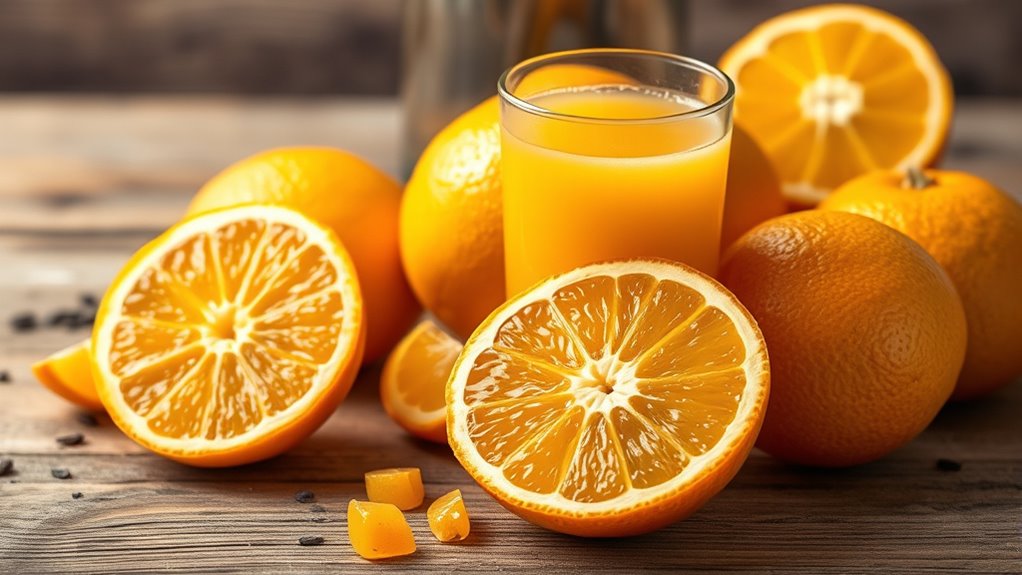
Have you ever wondered if fruit juice can fit into a keto diet? The short answer is usually no, and understanding why comes down to a couple of key factors: sugar content and vitamin retention. When you opt for fruit juice, you’re often consuming a concentrated dose of natural sugars. Even if it’s 100% juice with no added sugars, it still contains a significant amount of carbohydrates—mainly in the form of sugars—that can quickly push you over your daily limit on a keto plan. Unlike whole fruits, which have fiber to slow sugar absorption, juice delivers those sugars rapidly into your bloodstream. This can spike insulin levels and knock you out of ketosis, the metabolic state where your body burns fat for fuel.
Moreover, a common misconception is that fruit juice retains all the vitamins found in whole fruit. While some vitamin content may survive the juicing process, a lot of it can be lost during heat exposure, storage, or processing. For example, vitamin C, which is abundant in many fruits, is highly sensitive to light and heat, so the vitamin retention in juice may be lower than in fresh, whole fruits. When you eat the whole fruit, you benefit from the full spectrum of nutrients and fiber, which are often diminished or lost in juice form. This fiber not only helps regulate blood sugar but also aids digestion and promotes satiety, making whole fruits a better choice for maintaining stable energy levels and avoiding unnecessary sugar spikes.
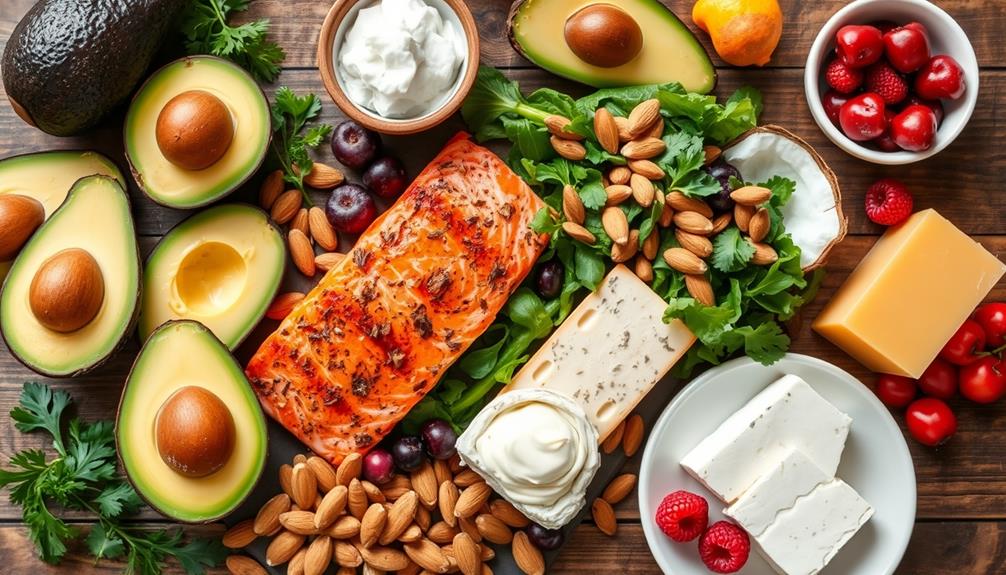
In a keto diet, the goal is to minimize carbohydrate intake, especially sugars, to keep your body in fat-burning mode. Fruit juice, even in small amounts, can undermine this effort because of its high sugar content. On the other hand, eating whole fruits in moderation—like berries—allows you to get essential vitamins and antioxidants without the excessive carbs. Berries are lower in sugar and higher in fiber, making them a smarter choice for keto enthusiasts. If you’re craving fruit flavors, consider infusing your water with a few slices of berries or using fruit extracts that contain minimal carbs. This way, you enjoy the taste and nutrients without risking your ketosis. Additionally, sugar content in fruit juice can vary depending on the type of fruit and processing method, further complicating its fit within a ketogenic diet.
Frequently Asked Questions
Can Fruit Juice Affect Ketosis Differently Than Whole Fruit?
Yes, fruit juice can affect ketosis differently than whole fruit because it contains concentrated fruit sugar and liquid carbs. When you drink juice, you consume these sugars quickly, causing a spike in blood sugar and insulin levels. Whole fruit, on the other hand, provides fiber that slows sugar absorption, helping you maintain ketosis. So, if you’re avoiding carbs, it’s better to stick with whole fruit rather than juice.
Are There Any Fruit Juices Suitable for a Keto Diet?
Some fruit juice alternatives, like coconut water or freshly squeezed lemon or lime juice, can be keto-friendly beverages when consumed in moderation. You should check labels for added sugars and carbs, as many store-bought options aren’t suitable. Opt for low-carb, keto-friendly beverages to satisfy your craving for fruit flavors without knocking you out of ketosis. Always read ingredients carefully to keep your keto journey on track.
How Does Sugar Content in Juice Compare to Whole Fruit?
Imagine biting into a crisp apple versus sipping apple juice—juice delivers a quick burst of sugar that floods your bloodstream, causing rapid sugar absorption. Whole fruit retains fiber, which slows sugar absorption, helping maintain stable blood sugar levels. Juice lacks this fiber, making its sugar content more concentrated, which can hinder your keto goals. So, opt for whole fruit to enjoy natural sweetness without disrupting your low-carb lifestyle.
Is Homemade Fruit Juice Healthier Than Store-Bought Options?
Homemade fruit juice is generally healthier than store-bought options because you control the ingredients, avoiding added sugars and preservatives. While natural sweetness remains intact, you might still experience some nutrient loss during blending or squeezing. Making juice at home allows you to enjoy fresh, nutrient-rich drinks without the extra processing, helping you retain more vitamins and minerals, making it a better choice overall.
Can Small Amounts of Fruit Juice Be Included in a Keto Plan?
Yes, you can include small amounts of fruit juice in your keto plan, but moderation is key. You need to practice fruit juice moderation, carefully monitor your intake, and stick to your daily carb counting limits. Remember, even tiny servings can add up quickly, so always measure and choose low-sugar options. Staying mindful helps you enjoy the flavors without compromising your ketosis goals.
Conclusion
So, next time you’re tempted to sip that seemingly innocent fruit juice, remember it’s basically liquid candy—no matter how “natural” it claims to be. If you’re serious about keto, ditch the juice and embrace whole fruits instead. Because nothing says “healthy” like biting into nature’s candy and avoiding the sugar crash that’s waiting in that glass. Trust me, your taste buds—and your blood sugar levels—will thank you for it. Cheers to smarter snacking!