Corn is generally high in digestible carbs and starches, making it difficult to include in a strict keto diet. Fresh corn has about 17 grams of net carbs per 100 grams, mainly from natural starches. Processing like cornmeal or popcorn often increases carbohydrate density and reduces fiber, further reducing keto-friendliness. If you want to keep carbs low, limiting or avoiding corn is usually best—however, exploring its details can help you make smarter choices for your keto lifestyle.
Key Takeaways
- Fresh corn contains about 17g net carbs per 100g, making it high for strict keto diets.
- Processing methods like cornmeal and polenta increase carbohydrate density and reduce fiber, lowering keto suitability.
- Popcorn has fewer calories but still provides carbs; portion control is essential for keto.
- Minimal, small portions of fresh, fiber-rich corn may fit into more lenient low-carb diets.
- Overall, corn is generally not keto-friendly due to its carbohydrate content, especially in processed forms.
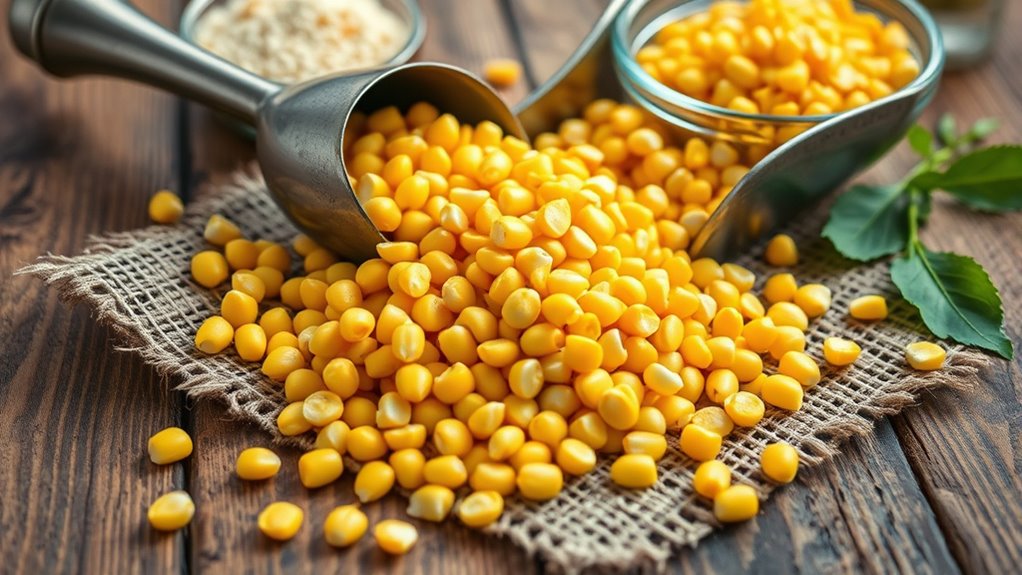
Many people wonder if corn fits into a keto diet, given its natural sweetness and carbohydrate content. The answer isn’t straightforward, because corn is a starchy vegetable that naturally contains more carbs than other low-carb options. To understand whether it can be incorporated into your keto plan, you need to consider how corn is processed and its nutritional makeup, especially its dietary fiber content. When you buy fresh corn, it’s minimally processed, just harvested and shucked. However, many products like cornmeal, popcorn, or canned corn undergo various forms of corn processing, which can alter their carbohydrate levels and impact your keto goals. For example, processed corn products often contain added ingredients or undergo refining that can increase their digestible carbohydrate count, making them less suitable for strict keto diets.
Corn’s carb content varies with processing; fresh corn is better for keto than processed products.
Dietary fiber plays a vital role here. Corn is a good source of dietary fiber, which can help slow digestion and reduce the net carbs that impact blood sugar levels. If you’re tracking carbs on keto, you’ll want to subtract the fiber from the total carbohydrate content to determine the net carbs. Raw corn has about 19 grams of carbs per 100 grams, with roughly 2 grams of dietary fiber, resulting in around 17 grams of net carbs. While that’s still relatively high for a keto diet, small portions could be acceptable if you carefully account for your daily carb limit. But keep in mind, most processed corn products tend to have higher carbohydrate densities, reducing their compatibility with keto.
Understanding corn processing is essential. When corn is processed into products like cornmeal or polenta, it often loses some of its fiber content but concentrates the carbohydrates, making it less keto-friendly. Conversely, popcorn, which is simply dried corn, can be a lower-calorie snack, but it still contains enough carbs to need moderation. If you’re considering incorporating corn into your keto diet, focus on small, controlled portions and opt for minimally processed forms, like fresh corn on the cob, to maximize fiber intake and minimize added carbs. Additionally, some forms of corn processing can significantly change the nutritional profile, so reading labels carefully is important.
Ultimately, whether corn fits into your keto plan depends on your daily carbohydrate allowance and how strictly you follow keto principles. If you’re aiming for very low carbs, it might be best to limit or avoid corn altogether. But if you’re on a more liberal low-carb diet, small amounts of corn, especially those with higher dietary fiber, could be acceptable. Paying close attention to corn processing methods and net carbohydrate count helps you make informed choices that align with your keto goals without sacrificing variety or enjoyment.
As an affiliate, we earn on qualifying purchases.
Frequently Asked Questions
Can I Eat Popcorn on a Keto Diet?
You probably should avoid popcorn on a keto diet, as popcorn keto isn’t very compatible due to its high carbohydrate content. Corn nutrition shows that corn is rich in starches, which can quickly kick you out of ketosis. Even small amounts of popcorn can add up, so it’s best to choose keto-friendly snacks. If you crave popcorn, look for low-carb alternatives or make your own with keto-friendly seasonings.
How Does Corn Compare to Other Keto-Friendly Vegetables?
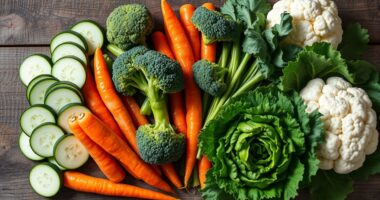
Corn isn’t as keto-friendly as many vegetables because it’s a grain comparison. Unlike leafy greens or broccoli, corn is higher in carbs and falls into the grain classification, making it less suitable for a keto diet. You should prioritize low-carb vegetables like spinach, cauliflower, and zucchini to stay within your carb limit. While corn can be enjoyed occasionally, it’s best to limit your intake to maintain ketosis.
Are Corn-Based Products Like Tortillas Keto Acceptable?
No, corn-based products like tortillas aren’t keto-friendly because they pack a punch of carbs that can knock you out of ketosis. Even if they contain corn fiber, which is lower in carbs, the overall starch content is still high. Plus, if you have corn allergies, it’s best to avoid these. You don’t want to risk an immune reaction while trying to stay keto—better to choose low-carb alternatives!
Does Corn Affect Blood Sugar Levels on Keto?
Corn can impact your blood sugar levels because it has a relatively high carbohydrate content, which can cause a spike in blood sugar. When you eat corn, your body breaks down the starches into glucose, leading to increased blood sugar impact. If you’re following a keto diet, it’s best to limit corn intake or choose lower-carb alternatives, as the carbohydrate content can hinder ketosis and affect your blood sugar management.
Are There Any Benefits to Eating Small Amounts of Corn on Keto?
Think of small amounts of corn as a hidden treasure in your keto journey. While it’s not a primary fuel, it offers benefits like corn fiber and nutrient density that support digestion and overall health. Eating tiny portions can give you a boost of essential vitamins and fiber, helping you maintain balance. Just remember, moderation is key—think of it as adding a splash of color to your monochrome palette.
As an affiliate, we earn on qualifying purchases.
Conclusion
So, if you’re wondering whether corn fits into your keto journey, think of it like a colorful puzzle piece—you might be tempted to fit it in, but it could disrupt the whole picture. I once tried adding a small spoonful to my meal, only to find my ketosis paused for a day. Remember, sticking to low-starch options keeps your energy steady and your goals in focus. Choose wisely, and your keto path stays clear.
fiber-rich fresh corn on the cob
As an affiliate, we earn on qualifying purchases.
As an affiliate, we earn on qualifying purchases.
keto approved cornmeal substitute
As an affiliate, we earn on qualifying purchases.
As an affiliate, we earn on qualifying purchases.