TL;DR

Get kitchen staples and gadgets delivered free with Prime
- Fast, free delivery on millions of items
- Prime Video, Amazon Music and more included
- Member-only deals all year
This article provides an in-depth overview of North Carolina barbecue, highlighting its history, regional styles, and key ingredients. It explains why this culinary tradition remains significant and what distinguishes different styles.
North Carolina barbecue remains a defining culinary tradition of the state, with distinct regional styles rooted in history and local practices. If you’re interested in outdoor cooking, check out our guide to the best charcoal barbecue grills. This guide clarifies the key differences between Eastern North Carolina’s whole hog barbecue and Lexington-style pork shoulder, emphasizing their cultural significance and unique flavors.
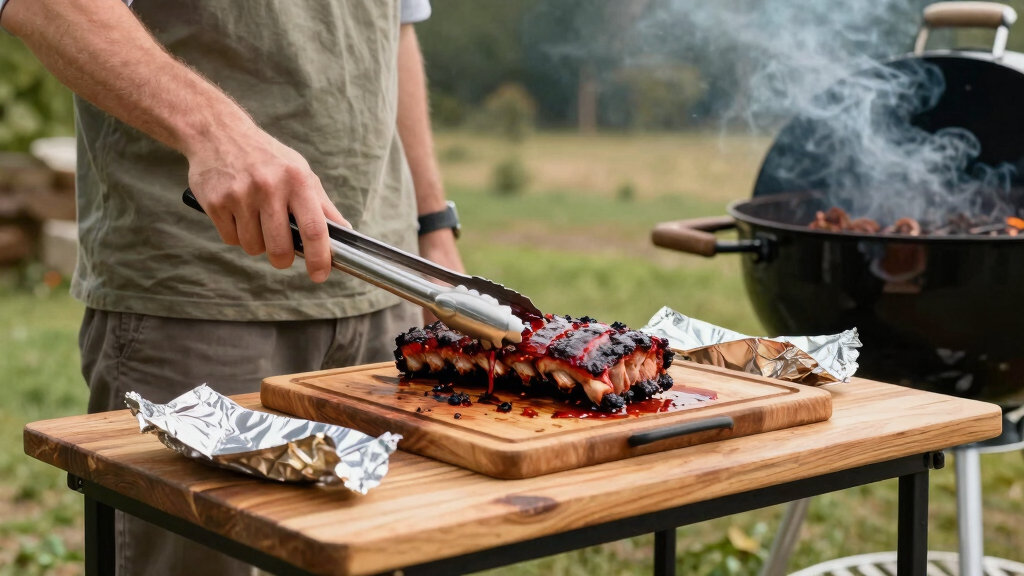
North Carolina barbecue is primarily centered around pork, with two main regional styles: Eastern North Carolina and Lexington. Eastern North Carolina is known for whole hog barbecue cooked over hardwoods and mopped with a vinegar-based sauce, a tradition dating back to early settlement days when whole hog cooking was essential for survival and preservation. Lexington-style barbecue, in contrast, focuses on pork shoulder, often sliced or chopped, with a tangy, vinegar-ketchup sauce. Both styles use low and slow smoking methods with hardwoods like oak and hickory, but differ in cuts and sauces.
The cultural roots of North Carolina barbecue are deep, with early practices tied to self-sufficiency and resourcefulness. Whole hog cooking was a communal activity, often involving large pits dug in the ground, taking up to 14 hours to cook. The use of vinegar sauces helped preserve the meat before refrigeration. Over time, regional variations emerged, with Lexington adding tomatoes to their sauces and sides like hush puppies and red slaw, while Eastern North Carolina maintained the tradition of whole hog cooking with a focus on vinegar mop sauces. Today, barbecue remains a social event and a symbol of local identity, with a variety of meats and sides served in restaurants and gatherings across the state.
Why North Carolina Barbecue Matters Culturally and Culinary
North Carolina barbecue is a vital part of the state’s cultural heritage, reflecting its history of resourcefulness and community. Its distinct regional styles attract food enthusiasts and preserve local traditions, making it an important culinary identity for North Carolina. Understanding these differences enhances appreciation for the state’s diverse food culture and its historical roots in survival and resourcefulness.
charcoal barbecue grill for outdoor cooking
As an affiliate, we earn on qualifying purchases.
As an affiliate, we earn on qualifying purchases.
Historical Roots and Regional Evolution of North Carolina Barbecue
North Carolina’s barbecue history dates back to early settlement days, with Eastern North Carolina pioneering the whole hog tradition, cooked in ground pits over hardwoods. This method was essential for sustenance and food preservation before refrigeration. For more tips on outdoor cooking techniques, see our charcoal grill buying guide. As settlers expanded westward, Lexington-style barbecue emerged, focusing on pork shoulder and incorporating tomatoes into sauces, reflecting agricultural adaptations. Over time, regional differences solidified, with Eastern North Carolina emphasizing vinegar-based sauces and whole hog cooking, while Lexington adopted tomato-infused sauces and sliced or chopped pork. These traditions have persisted, shaping the state’s culinary identity and social fabric, with barbecue remaining a communal and celebratory activity.
“It’s the original food of North Carolina, and it’s about using every part of the pig, cooking low and slow over hardwoods, and sharing it with friends.”
— Greg Hatem, owner and pitmaster of The Pit in Raleigh
As an affiliate, we earn on qualifying purchases.
Current Debates and Evolving Trends in North Carolina Barbecue
While traditional styles are well established, it is not yet clear how modern influences, such as fusion flavors or new cooking techniques, are impacting the preservation of authentic regional practices. Additionally, there is ongoing debate about what constitutes ‘true’ North Carolina barbecue, especially as restaurants experiment with new recipes and presentation styles.
meat thermometer for slow smoking
As an affiliate, we earn on qualifying purchases.
As an affiliate, we earn on qualifying purchases.
Future Directions for North Carolina Barbecue Culture
Expect continued preservation and promotion of traditional styles through festivals, competitions, and culinary tourism. Meanwhile, some pitmasters are experimenting with innovative flavors and techniques, which may influence future regional identities. Monitoring these developments will reveal how North Carolina’s barbecue heritage adapts to contemporary tastes while maintaining its cultural roots. Discover more about outdoor grilling options in our top charcoal grills for 2026.
barbecue sauce vinegar ketchup set
As an affiliate, we earn on qualifying purchases.
As an affiliate, we earn on qualifying purchases.
Key Questions
What are the main differences between Eastern North Carolina and Lexington-style barbecue?
Eastern North Carolina features whole hog barbecue cooked over hardwoods with a vinegar-based mop sauce, emphasizing the use of every part of the pig. Lexington-style uses pork shoulder, sliced or chopped, with a tangy vinegar and ketchup-based sauce, often served with sides like hush puppies and red slaw.
Why is vinegar so central to North Carolina barbecue sauces?
Vinegar was historically used to preserve meat and tenderize it before refrigeration. It provides a tangy flavor that complements the pork and is a defining characteristic of the region’s barbecue style.
Are there modern variations or fusion styles emerging in North Carolina barbecue?
Yes, some pitmasters are experimenting with new flavors, sauces, and presentation styles, blending traditional methods with contemporary culinary trends. However, the core regional styles remain dominant and highly valued.
What sides are traditionally served with North Carolina barbecue?
In Eastern North Carolina, sides like coleslaw, collard greens, and Brunswick stew are common. Lexington-style barbecue often features hush puppies and red slaw, with other favorites including baked beans and mac and cheese.
Source: Taste of Home
Halloween Picks
halloween
As an affiliate, we earn on qualifying purchases.