
If you only focus on your weight, you’ll miss important signs of progress like fat loss, muscle gains, energy levels, and mental clarity. Your body can change considerably without a big change on the scale, thanks to water retention, muscle gain, or fat redistribution. Tracking measurements, body composition, clothing fit, and how you feel each day gives a clearer picture of your success. Keep exploring for more ways to measure your keto journey beyond the scale.
Key Takeaways
- Weight fluctuations can hide true fat loss or muscle gain, leading to misleading progress assessments.
- Solely tracking weight ignores improvements in energy, mental clarity, sleep, and overall health.
- External cues like clothing fit and body measurements provide more accurate indicators of body composition changes.
- Internal markers such as ketone levels, stress, and electrolyte balance reflect metabolic progress beyond weight.
- A holistic approach combining multiple indicators ensures a more accurate and motivating view of keto success.

GE Smart Scale for Body Weight, BMI, Body Fat, Muscle Mass, Large Display
- Large Color Display: 5.3-inch screen shows 8 metrics
- Accurate & Safe Measurement: 0.1 lb precision, supports 400 lbs
- Sturdy, Non-slip Platform: Tempered glass with textured surface
As an affiliate, we earn on qualifying purchases.
As an affiliate, we earn on qualifying purchases.
Why Focusing Only on the Scale Can Mislead Your Keto Progress

Have you ever stepped on the scale and felt discouraged because the numbers didn’t move as quickly as you’d hoped? That’s a common trap in keto—focusing solely on the scale can give you a false sense of progress. Many keto myths fuel this scale obsession, making you think weight loss is the only success measure. But your body can change in ways the scale doesn’t show: increased muscle, fat loss, or water shifts. Fixating on the scale can cause frustration and make you doubt your efforts. Remember, weight isn’t the full story. You’re building healthier habits and transforming your body in many ways, not just shrinking on a number. Don’t let the scale mislead you; look for other signs of progress.
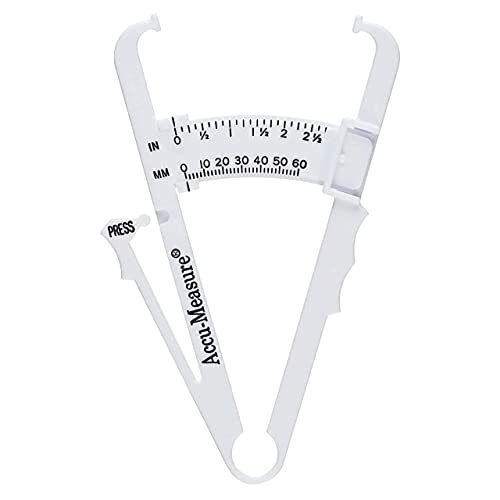
Accu-Measure Fitness 3000 Body Fat Caliper
- Portable Design: Easy-to-carry body fat calipers
- Accurate Body Fat Measurement: Reliable results with thermoplastic material
- Self-Motivation Tool: Encourages fitness progress and slim body goals
As an affiliate, we earn on qualifying purchases.
As an affiliate, we earn on qualifying purchases.
How to Measure Body Composition Changes on Keto

To track your progress on keto, focus on measuring fat loss and muscle gain. Using methods like body measurements or skinfold calipers can give you a clearer picture than just weight. Monitoring these changes helps you stay motivated and makes certain you’re building a healthier, leaner body. Incorporating biohacking techniques can further optimize your results by enhancing recovery and overall performance. Understanding digital content formats can also help you access better tools and resources to support your health journey. You might also explore free tools to instantly convert text into various capitalization styles, making your notes and tracking logs more organized. Additionally, understanding how different brewing methods influence caffeine levels can help you tailor your coffee intake to your health goals. Recognizing the importance of performance parts can inspire you to optimize your own body’s performance by adopting better recovery strategies.
Tracking Fat Loss
Wondering how to accurately track your fat loss progress on keto? Focusing solely on weight can be misleading, so consider body composition instead. Keep an eye on how your body changes over time, not just the scale. Pay attention to meal timing, as eating at consistent times can help regulate insulin and promote fat loss. Supplement tracking is also useful—some supplements support fat metabolism, so noting their effects can guide your adjustments. Use a combination of methods like skinfold calipers, bioelectrical impedance scales, or progress photos to get a clearer picture of your body composition. Regularly monitoring these factors allows you to see fat loss more accurately, helping you stay motivated and make informed adjustments to your keto plan. Additionally, cultivating a growth mindset can enhance your ability to adapt and succeed on your health journey. Understanding body composition is essential for making meaningful progress beyond just the number on the scale. Incorporating body composition measurement techniques can provide more detailed insights into your fat loss efforts. Recognizing the importance of progress tracking can lead to better long-term results and sustained motivation. Being aware of measurement accuracy methods can also improve the reliability of your progress assessments.
Monitoring Muscle Gain
Are you curious about how to accurately monitor muscle gain while on keto? Tracking changes in body composition is key. Focus on improvements in muscle endurance, which indicates stronger, more resilient muscles over time. Using methods like bioelectrical impedance or skinfold measurements helps you gauge muscle growth beyond just weight. Recovery strategies also play a crucial role—less soreness and faster recovery mean your muscles are adapting and growing. Keep an eye on your strength levels and how well you perform during workouts, as these reflect muscle gains. Regularly evaluating these aspects provides a clearer picture of progress that the scale alone can’t show. Incorporating passive voice detection techniques can improve your writing clarity and help you communicate more effectively. Additionally, understanding how to interpret body composition changes can give you a more comprehensive view of your progress. Paying attention to factors like muscle recovery can also aid in optimizing muscle growth. Being aware of body composition metrics, such as muscle mass versus fat percentage, allows for more precise adjustments to your training and diet plans. Combining these insights with consistent training and nutrition helps you stay on track with your muscle-building goals.

KETO-MOJO GK+ Glucose & Ketone Meter, Keto Diabetes Fasting
- Clinical-Grade Testing: Fast, accurate ketone and glucose readings
- Complete Starter Kit: Includes meter, strips, lancets, and accessories
- App Integration: Sync results with MyMojoHealth app and others
As an affiliate, we earn on qualifying purchases.
As an affiliate, we earn on qualifying purchases.
Tracking Your Energy and Mental Clarity for Better Results
Tracking your energy levels and mental clarity during the keto journey provides essential insights into how well your body adapts to the diet. When you monitor these, you can identify patterns that indicate progress or need for adjustment. To effectively track, consider these steps:
Monitoring energy and mental clarity helps you optimize your keto adaptation and make necessary adjustments.
- Record your daily energy levels, noting times of high and low alertness.
- Note mental clarity throughout the day, especially during tasks or conversations.
- Reflect on any fluctuations after meals or workouts to find correlations between diet and alertness.
- Recognize the importance of work-life harmony in maintaining overall well-being during your keto journey.
- Incorporate awareness of holistic health trends, such as gratitude practices and lifestyle adjustments, to support your progress. Additionally, paying attention to body signals can help you better understand how your body responds to dietary changes and global health perspectives can provide a broader context for your well-being.

RENPHO Smart Body Measuring Tape, Bluetooth App, 60in, for Weight Loss
- Smart Body Measurement Tracking: Connects with Renpho Health App for graphing
- Easy-to-Read LCD Screen: Large display for accurate measurements
- Instant Measurement Saving: Quickly save data via app
As an affiliate, we earn on qualifying purchases.
As an affiliate, we earn on qualifying purchases.
Monitoring Blood Markers to Assess Your Metabolic Health
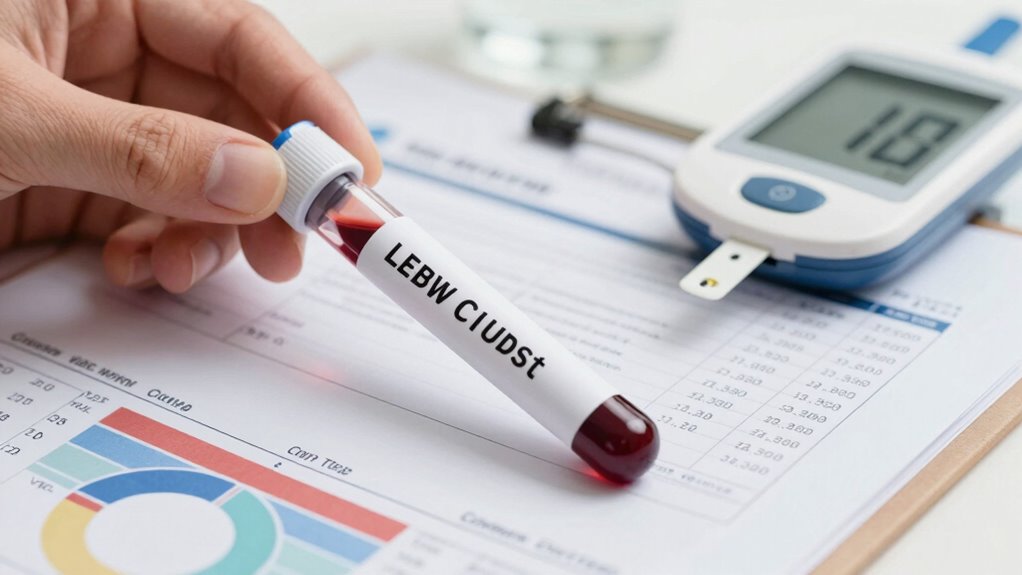
Monitoring blood markers is essential for evaluating how effectively your body is adapting to the keto diet and maintaining metabolic health. Regular testing reveals hormonal fluctuations that can impact your energy, hunger, and overall balance. For example, insulin, thyroid hormones, and cortisol levels provide insight into your metabolic state. Additionally, tracking hydration levels helps prevent dehydration or electrolyte imbalances common on keto. Staying aware of these markers enables you to make informed adjustments—like increasing electrolytes or modifying carb intake—to support sustained progress. By paying close attention to blood markers, you gain a clearer picture of your body’s response, beyond just weight, ensuring you stay healthy and in tune with your metabolic needs as you pursue your keto journey. Incorporating medical alert wearables that monitor vital signs can further enhance your ability to track these important changes in real time. Recognizing the significance of metabolic health indicators can help you optimize your diet and lifestyle choices for long-term success.
Using Clothing Fit and Body Measurements to Track Progress

While blood markers provide valuable insights into your internal progress, observing how your clothes fit and taking body measurements offers a tangible, everyday way to gauge changes in your physique. Pay attention to:
- Clothing fit – Notice how your pants or shirts feel looser or tighter, especially around key areas like your waist and hips.
- Body measurements – Use a tape measure to track changes in your waist, hips, and arms, noting reductions over time.
- Fashion trends & fabric types – Recognize that different fabrics, like stretchy or rigid materials, can influence how clothing fits, so be consistent with your measurements for accuracy.
- Monitoring safe practices—keeping an eye on how your body responds during activities like sauna use can help you avoid risks such as heatstroke signs.
- Internal health indicators—tracking these external cues alongside blood markers can give a more comprehensive understanding of your metabolic health.
These visual and tactile cues help you stay motivated and aware of your progress beyond the scale, reflecting true body composition changes.
How Your Daily Vitality Reflects Your Keto Success
As you settle into your keto journey, you’ll likely notice a boost in your daily vitality—more energy, sharper focus, and an overall sense of well-being. Your meal timing plays a pivotal role; eating at consistent intervals helps maintain stable blood sugar and sustained energy levels. Pay attention to how you feel throughout the day—if you wake up refreshed and stay alert, it’s a good sign your keto plan is working. The impact of supplements, like electrolytes or MCT oil, also influences your vitality. When these are well-timed and effective, you’ll notice fewer crashes and more consistent stamina. Additionally, understanding heat buffering techniques can help preserve the quality of your baked goods and prevent scorch or residue, ensuring your baking results are consistently perfect. Ultimately, your daily vitality is a clear reflection of your keto success—beyond the scale, it shows how well your body adapts and thrives.
Common Mistakes When Only Watching the Scale: And How to Avoid Them
Focusing solely on the scale can lead you astray, because weight fluctuations don’t tell the full story of your keto progress. Relying only on weight can cause you to miss improvements like increased energy or better sleep. To avoid this:
Focusing only on the scale can hide real progress like energy boosts and better sleep.
- Ignore the immediate effects of a keto meal or carb cycling, which can temporarily influence your weight without affecting your fat loss.
- Track other indicators such as body measurements, energy levels, and how your clothes fit.
- Remember that muscle gain from strength training can mask fat loss on the scale, so don’t dismiss progress based only on weight.
Tools and Tips for a Holistic Approach to Measuring Keto Success

To truly gauge your keto progress, you need to use a variety of tools beyond just the scale. Track your energy levels and how your clothes fit, as these reflect your body’s response to your keto meal choices. Consider monitoring your ketone levels with a blood or breath test for a more direct measure of ketosis. Pay attention to supplement timing — taking electrolytes at the right moments can prevent keto flu and support your progress. Keep a food journal to spot patterns in your keto meal that impact your energy and digestion. Regularly assess your sleep quality and stress levels, which influence overall success. Using these tools together helps you build a holistic view of your keto journey and makes adjustments more effective.
Frequently Asked Questions
How Quickly Should I See Non-Scale Progress on Keto?
You might start noticing non-scale progress within a few weeks on keto, especially in muscle gain and improved energy levels. Keep in mind, meal timing can influence your results, so eating strategically around workouts helps. Don’t rely solely on weight; monitor strength gains, clothing fit, and body composition. Consistency is key—stay patient, and you’ll see progress in areas beyond just the scale, reinforcing your keto success.
Can Mental Clarity Improve Before Weight Loss Becomes Apparent?
You might notice mental clarity and cognitive improvement before your weight drops, almost like your brain’s waking up while your body takes its time. This coincidence happens because keto fuels your brain with ketones, enhancing focus and mental sharpness early on. As your body adjusts, you’ll see physical changes too, but don’t overlook the mental boost — it’s a sign your body’s adapting well to the ketogenic state.
What Are the Best Methods to Track Hydration Levels on Keto?
To track hydration on keto, focus on your electrolyte balance and urine color. Keep an eye on urine color—pale yellow indicates proper hydration, while darker shades suggest dehydration. Consider using electrolyte supplements to maintain balance, especially if you notice symptoms like headaches or fatigue. Regularly monitoring these signs helps you stay hydrated, ensuring your body functions at its best and supports your keto journey effectively.
How Does Sleep Quality Relate to Keto Success?
Think of sleep quality as the fuel your keto journey needs to stay on course. When your sleep improves, your metabolic health gets a boost, helping your body efficiently burn fat and maintain energy. Poor sleep can sabotage your progress, leaving you sluggish and less focused. Prioritizing good sleep guarantees your body repairs, recovers, and optimizes all aspects of your keto success, making your efforts more effective and sustainable.
Are There Specific Biomarkers Indicating Keto Adaptation?
Yes, you can tell if you’re keto-adapted by monitoring blood markers like blood ketones and glucose. Elevated blood ketones indicate your body’s efficiently burning fat for fuel, while stable blood glucose levels show improved insulin sensitivity. Regularly checking these biomarkers helps you gauge your progress beyond just weight loss, giving you a clearer picture of your metabolic adaptation to a keto lifestyle.
Conclusion
Remember, your keto journey isn’t just about that number on the scale—it’s about feeling stronger, healthier, and more vibrant each day. Don’t let the scale be the only judge of your progress; it’s just one piece of the puzzle. Embrace the full picture—body composition, energy, and how your clothes fit—and watch your true transformation unfold. After all, isn’t your well-being worth more than a single, fleeting number?