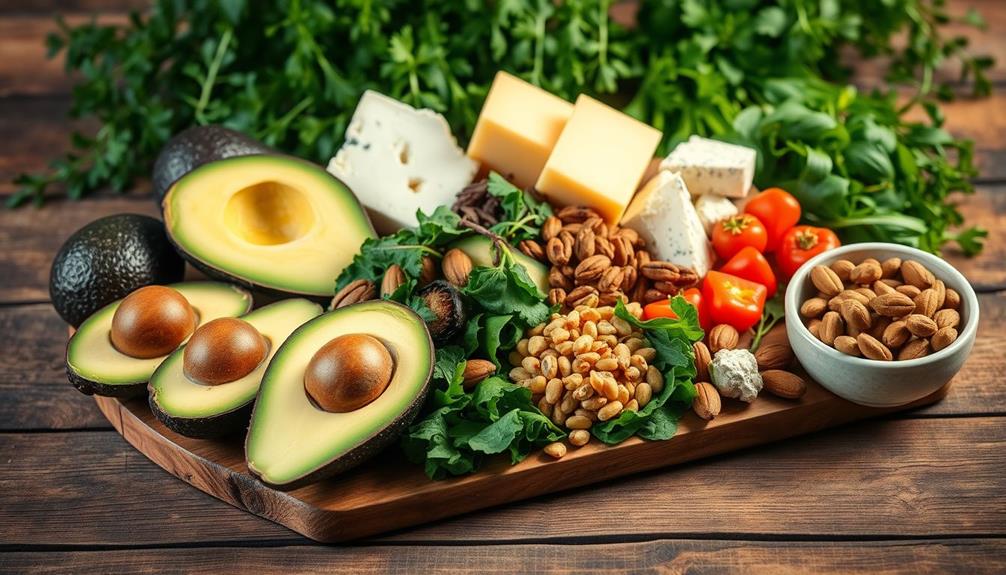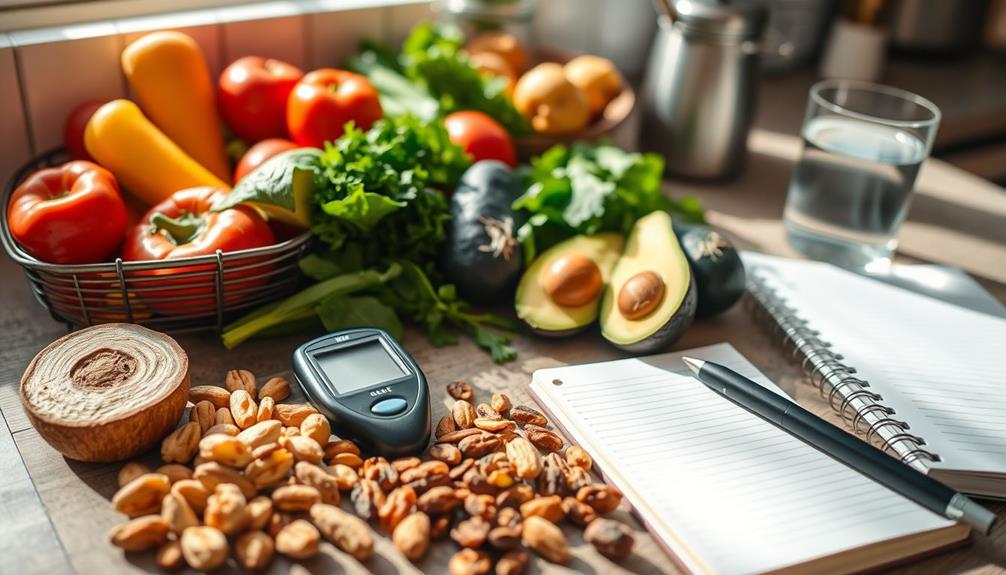
To avoid muscle loss on a keto diet, focus on consuming adequate high-quality protein with each meal, especially around your workouts. Incorporate resistance training, targeting multiple muscle groups, to signal your body to preserve muscle. Prioritize proper recovery through rest, sleep, and hydration, and make certain your calorie intake supports your activity level. Balancing these factors helps prevent muscle loss and keeps your physique strong—stay tuned for more tips to optimize your keto journey.
Key Takeaways
- Consume adequate high-quality protein around workouts to support muscle repair and prevent loss.
- Incorporate regular resistance training with compound movements to signal muscle preservation.
- Maintain sufficient caloric intake, especially protein, to meet activity demands and prevent muscle breakdown.
- Prioritize recovery through sleep, hydration, and rest to facilitate muscle repair during ketosis.
- Strategically time protein intake and training to optimize muscle retention on a low-carb diet.

Following a ketogenic diet can raise concerns about losing muscle mass, but with the right strategies, you can preserve your muscle while enjoying the benefits of ketosis. One of the most effective approaches involves paying close attention to protein timing. When you consume protein strategically throughout the day, especially around your workouts, you help guarantee your muscles get the building blocks they need to repair and grow. Instead of spreading your protein intake unevenly, aim to include moderate amounts with each meal, particularly before and after resistance training sessions. This keeps amino acid levels elevated, supporting muscle maintenance even when carbohydrate intake is low. Additionally, utilizing innovative nutrition strategies, such as incorporating timed protein intake, can further optimize muscle preservation during ketosis.
Strategic protein timing around workouts helps preserve muscle on a ketogenic diet.
Resistance training plays a essential role in muscle preservation on keto. Engaging in regular strength exercises signals your body to maintain muscle tissue, counteracting the natural tendency to lose mass during a low-carb state. Focus on compound movements like squats, deadlifts, and presses, which target multiple muscle groups and stimulate growth. Even if your primary goal isn’t hypertrophy, resistance training helps preserve existing muscle mass by creating the necessary anabolic environment. When combined with proper protein timing, resistance training becomes a powerful tool to prevent muscle loss while you’re in ketosis.
It’s also important to understand that your body needs adequate calories and protein to sustain muscle. Many people think that simply reducing carbs will lead to muscle loss, but neglecting sufficient protein intake can accelerate muscle breakdown. Make sure your diet includes enough high-quality protein sources such as eggs, meat, fish, and dairy, which are rich in essential amino acids. Maintaining a caloric intake that supports your activity level is just as essential; a caloric deficit that’s too steep can undermine your efforts to preserve muscle, even if you’re training regularly and eating enough protein.
Additionally, recovery is essential. Proper sleep, hydration, and rest days allow your muscles to recover and grow, even when you’re on a ketogenic diet. Incorporate enough rest between intense resistance training sessions to prevent overtraining and promote muscle repair. Listening to your body ensures you won’t push too hard, which can lead to muscle breakdown rather than preservation.

Keto Science Keto Shake Powder – Chocolate Meal Replacement with MCT Oil, Collagen, Protein – Keto Diet Supplement for Weight Loss – 14 Servings
CLEAN KETO SHAKE POWDER WITH MCT OIL & PROTEIN. Fuel your day with this delicious chocolate-flavored keto shake…
As an affiliate, we earn on qualifying purchases.
As an affiliate, we earn on qualifying purchases.
Frequently Asked Questions
Can Intermittent Fasting Impact Muscle Preservation on Keto?
Intermittent fasting can impact muscle preservation on keto, especially if fasting duration is too long. Extended fasts may increase muscle catabolism, risking loss of lean mass. To prevent this, you should keep fasting periods moderate and guarantee adequate protein intake during eating windows. This approach helps you maintain muscle while enjoying the benefits of keto and fasting, supporting overall muscle preservation and health.
Are Certain Supplements Better for Maintaining Muscle on Keto?
Certain supplements can help you maintain muscle on keto, especially when combined with smart protein timing and carb cycling. Branched-chain amino acids (BCAAs) support muscle repair, while creatine boosts strength and recovery. You might worry about carb intake, but carb cycling allows you to strategically replenish glycogen without knocking you out of ketosis. These supplements, used correctly, can effectively preserve muscle while keeping your keto goals on track.
How Does Hydration Influence Muscle Retention During Keto?
Hydration plays a vital role in muscle retention during keto by maintaining electrolyte balance and supporting proper muscle function. You should guarantee adequate water intake daily, especially because keto can cause loss of electrolytes through increased urination. When you stay well-hydrated and replenish electrolytes, you help prevent muscle cramps, weakness, and loss, making it easier to preserve muscle mass while following a low-carb diet.
What Role Does Sleep Play in Muscle Preservation on Low Carb?
Getting quality sleep is vital for muscle preservation on a low carb diet. When you sleep well, your hormonal balance improves, boosting growth hormone and reducing cortisol levels, which helps prevent muscle breakdown. Prioritize sleep hygiene by sticking to a consistent schedule and creating a relaxing bedtime routine. Good sleep enhances recovery and maintains your muscle mass, making it easier to stay strong and lean on keto.
Is It Safe to Do High-Intensity Workouts on Keto for Muscle Retention?
Think of your body as a finely-tuned engine; high-intensity workouts on keto can be safe if you plan your fuel and timing wisely. You should focus on keto meal planning that supports energy needs, and consider workout timing—preferably after a meal to boost glycogen stores. Listen to your body, stay hydrated, and gradually increase intensity to prevent muscle loss while maintaining safety.
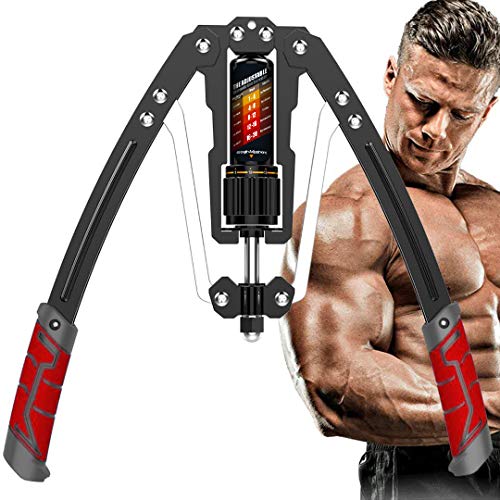
EAST MOUNT Twister Arm Exerciser – Adjustable 22-440lbs Hydraulic Power, Home Chest Expander, Shoulder Muscle Training Fitness Equipment, Arm Enhanced Exercise Strengthener.
【Adjustable Resistance】Rotating the knob to easily adjust the resistance, rang 22-440 lbs free adjustment. Just rotating the knob,…
As an affiliate, we earn on qualifying purchases.
As an affiliate, we earn on qualifying purchases.
Conclusion
Staying on keto doesn’t mean sacrificing your muscle. Think of your body like a well-built house—you need to maintain the beams (muscle) even when renovating the exterior (fat loss). I once watched a friend lose weight on keto and still lift heavy, proving you can shed fat without dismantling your foundation. With proper protein intake and strength training, you’ll keep your muscle strong and your body resilient, turning your keto journey into a sturdy, lasting structure.

Isopure Zero Carb 100% Pure Whey Isolate Protein Powder, Lactose Free, Gluten Free, with Vitamins, Creamy Vanilla, 25g Protein Per Serving, 1 Lb, 15 Servings (Packaging May Vary)
One 1 lb bag (15 servings) of Isopure 100% pure whey isolate protein powder in delicious Creamy Vanilla…
As an affiliate, we earn on qualifying purchases.
As an affiliate, we earn on qualifying purchases.

BSN Amino X Muscle Recovery & Endurance Powder with BCAAs, 10 Grams of Amino Acids, Keto Friendly, Caffeine-Free, Support Endurance, Zero Sugar, Grape, 30 servings, 15.34 Ounce (Packaging May Vary)
AMINO ACID INTERFUSION – 10g of micronized amino acids per serving
As an affiliate, we earn on qualifying purchases.
As an affiliate, we earn on qualifying purchases.