Yogurt can be keto-friendly if you pick the right types and watch your carbs. Unsweetened, full-fat Greek yogurt is a great option because it contains only about 3-6 grams of carbs per serving. Dairy-free versions like coconut or almond yogurts are also low in carbs, especially if unsweetened. Avoid flavored or processed varieties with added sugars to stay within your keto goals. Keep exploring to discover the best yogurt choices for your low-carb lifestyle.
Key Takeaways
- Plain, full-fat Greek yogurt typically contains 3-6 grams of carbs per serving, making it keto-friendly.
- Dairy alternatives like unsweetened coconut, almond, or cashew yogurts are good low-carb, keto-compatible options.
- Avoid flavored or processed yogurts with added sugars, as they significantly increase carbohydrate content.
- Check nutrition labels to ensure the yogurt has no added sugars and contains live probiotic cultures.
- Incorporating high-quality, unsweetened yogurt supports gut health and aligns with keto dietary goals.
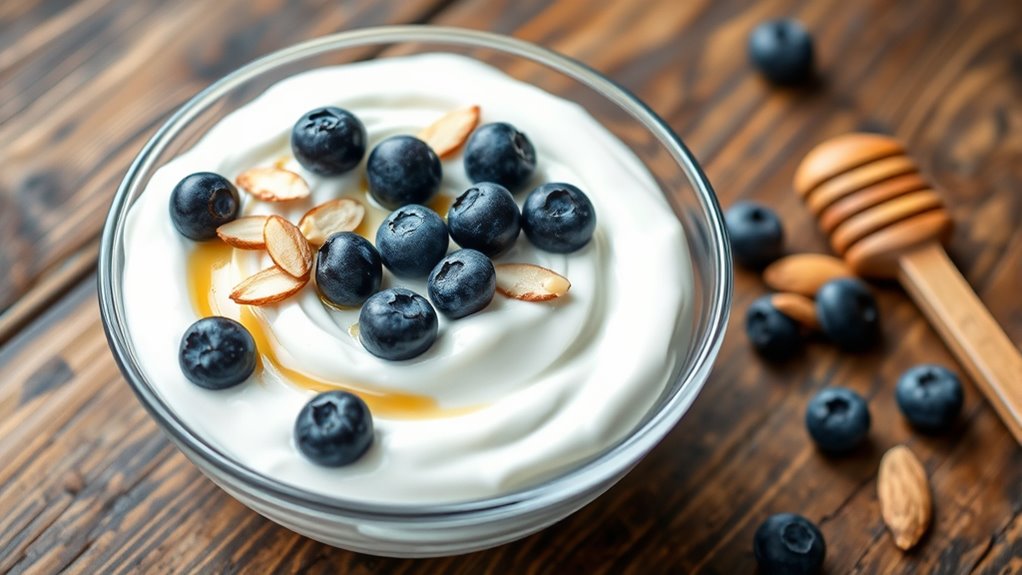
Many people wonder if yogurt fits into a ketogenic diet, and the answer depends on the type you choose. Traditional dairy-based yogurts can be high in carbs, so it’s essential to select options carefully. For those who are sensitive to dairy or prefer to avoid it, dairy alternatives like coconut, almond, or cashew-based yogurts can be suitable substitutes. These alternatives often contain fewer carbs and can be flavored naturally without adding excessive sugar. When choosing dairy alternatives, look for unsweetened varieties to keep your carb intake low and avoid hidden sugars that can derail your keto goals.
Yogurt, whether dairy or dairy-free, offers probiotic benefits that many people find valuable for digestive health. The live cultures in yogurt help balance your gut microbiome, which can improve digestion, boost immunity, and even influence mood. If you’re on a keto diet, probiotic-rich options like plain Greek yogurt or unsweetened coconut yogurt are excellent choices. They provide the same gut health benefits without the added sugars found in flavored or processed yogurts. Incorporating these into your meals can make sticking to your low-carb plan easier and more enjoyable.
When selecting yogurt for a keto lifestyle, always check the nutrition labels. Regular flavored yogurts often contain added sugars, pushing the carb count too high for keto. Instead, opt for plain, full-fat Greek yogurt, which typically has around 3-6 grams of carbs per serving. If you prefer dairy alternatives, choose coconut or almond-based yogurts that are unsweetened. These usually have fewer carbs and still offer probiotic benefits, especially if they contain live active cultures. Keep in mind that some dairy-free yogurts may contain thickeners or additives, so reading ingredient lists helps ensure you’re making the best choice for your keto diet. Additionally, selecting high-quality probiotic options can further support your gut health and overall well-being.

365 By Whole Foods Market, Greek Yogurt, Plain Nonfat, 32 Ounce
As an affiliate, we earn on qualifying purchases.
As an affiliate, we earn on qualifying purchases.
Frequently Asked Questions
Can Flavored Yogurts Be Keto-Friendly?
Flavored yogurts usually aren’t keto-friendly because they often contain high sugar content and flavor additives that spike carbs. If you want a keto-friendly option, look for plain Greek yogurt and add your own low-carb flavorings like berries or a splash of vanilla extract. Always check the nutrition label for sugar content, and avoid products with added sugars or artificial flavorings to stay within your carb limit.
How Much Yogurt Is Safe on a Keto Diet?
You can enjoy about ½ to ¾ cup of yogurt daily on a keto diet, but it depends on your carb tolerance. Choose full-fat, plain Greek yogurt for fewer carbs and probiotic benefits. If you’re dairy-sensitive, consider dairy alternatives like coconut or almond yogurt, which also offer probiotic benefits. Always check labels for added sugars, and tailor your intake to stay within your daily carb limit.
Are Plant-Based Yogurts Suitable for Keto?
Plant-based yogurts can be suitable for your keto diet if you choose options with low carbs and no added sugars. Look for dairy alternatives made from unsweetened coconut, almond, or cashew milk, which often have fewer carbs. These yogurts still offer probiotic benefits, supporting gut health. Always check the nutrition label to guarantee you’re selecting a keto-friendly product that aligns with your low-carb goals.
Does Yogurt Impact Ketosis Levels?
Yogurt can be a double-edged sword on your keto journey, like a delicate tightrope. It may impact ketosis levels if it’s high in carbs, but choosing dairy alternatives or plain, full-fat yogurt minimizes this risk. You also gain probiotic benefits that support gut health. To stay in ketosis, opt for low-carb options and check labels carefully, ensuring your yogurt doesn’t tip the balance.
What Are the Best Keto-Approved Yogurt Toppings?
You can enjoy keto-approved yogurt toppings by incorporating fruit pairings like berries in moderation, as they’re lower in carbs. For added sweetness, opt for sweetener alternatives such as stevia or erythritol instead of sugar. You might also sprinkle nuts or seeds for crunch and healthy fats. These toppings enhance flavor without knocking you out of ketosis, so feel free to experiment and find your favorite combo.
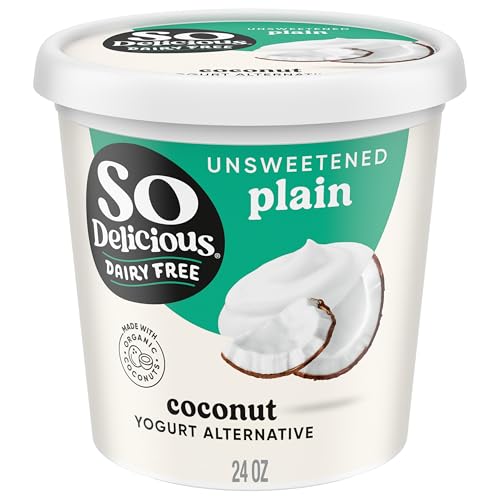
So Delicious Dairy Free Coconut Milk Yogurt Alternative, Unsweetened, Plain, Vegan, Gluten Free, Non-GMO, Creamy Plant Based Yogurt Alternative, 24 oz Container
A CREAMY DELIGHT: Enjoy our unsweetened plain coconutmilk yogurt alternative on its own or with your favorite toppings,…
As an affiliate, we earn on qualifying purchases.
As an affiliate, we earn on qualifying purchases.
Conclusion
Ultimately, opting for the right yogurt can be a game-changer on your keto journey. By choosing creamy, low-carb options, you keep cravings at bay and carbs under control. Remember, mindful munching makes a massive difference. So, savor smartly, select satisfying, sugar-free yogurt, and stay strong on your keto course. With wise choices and a little willpower, you’ll win your wellness war while enjoying delightful dairy delights. Keep your keto quest clear and confidently conquer cravings!

Culina Plain & Simple Coconut Yogurt, 16 OZ
3 organic Ingredients: organic coconut, agar, probiotic cultures.
As an affiliate, we earn on qualifying purchases.
As an affiliate, we earn on qualifying purchases.
365 By Whole Foods Market, Greek Yogurt, Plain Nonfat, 32 Ounce
As an affiliate, we earn on qualifying purchases.
As an affiliate, we earn on qualifying purchases.