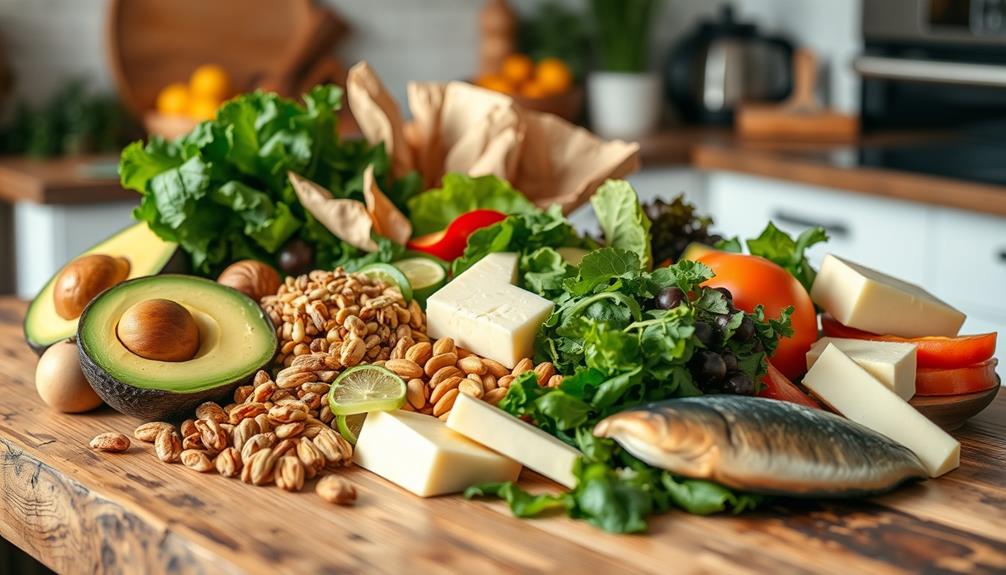
To get enough fiber on keto, focus on fiber-rich foods like leafy greens, broccoli, cauliflower, and Brussels sprouts. Incorporate healthy fats with nuts, seeds, and keto-friendly snack bars or bites made with chia, flax, or pumpkin seeds. Choose small portions of berries like raspberries or blackberries for added fiber without raising carbs too much. Planning meals around these options helps you stay in ketosis while supporting digestion and overall health; discover more tips below.
Key Takeaways
- Incorporate fiber-rich vegetables like leafy greens, broccoli, and cauliflower into meals and snacks.
- Add seeds such as chia, flax, or hemp to smoothies, yogurt, or baked goods for a fiber boost.
- Snack on keto-friendly nuts like almonds and walnuts or make energy bites with coconut flakes and pumpkin seeds.
- Consume small servings of low-sugar berries like raspberries and blackberries for fiber and antioxidants.
- Plan meals to include a variety of fiber sources and keep fiber-rich snacks readily available to maintain consistent intake.
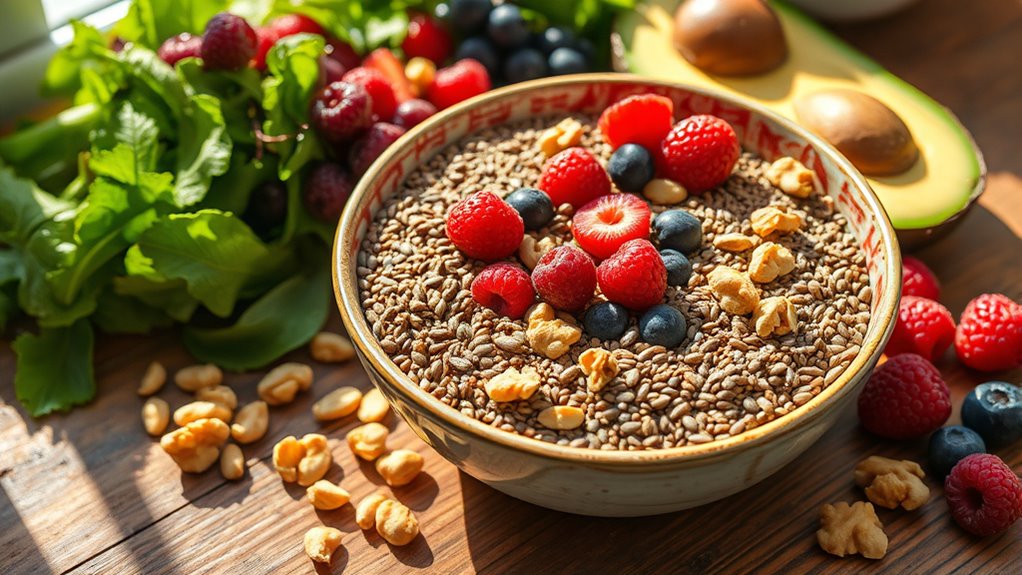
Are you worried about getting enough fiber while following a keto diet? You’re not alone. Many people focus on reducing carbs but forget that fiber is essential for digestion, blood sugar control, and overall health. Luckily, you can still enjoy a variety of fiber-rich foods that fit within your keto plan. One effective way is to incorporate fiber-rich snacks into your daily routine. Think about nibbling on a handful of almonds, walnuts, or chia seeds, which are all packed with fiber and healthy fats. You can also prepare keto-friendly snack bars or energy bites using ingredients like coconut flakes, flaxseed, or pumpkin seeds. These snacks are portable, satisfying, and help you reach your fiber goals without breaking your ketosis.
Additionally, focusing on keto-friendly vegetables is a smart strategy. Leafy greens like spinach, kale, and arugula are low in carbs but high in fiber, making them perfect for salads or sautéed dishes. Broccoli, cauliflower, and Brussels sprouts are also excellent choices, offering substantial fiber content while remaining keto-compatible. Incorporate these vegetables into your meals regularly to boost your fiber intake naturally. You can toss cauliflower into soups or mash it for a creamy side dish, roast Brussels sprouts with olive oil, or add kale to smoothies for extra nutrients. These vegetables not only contribute fiber but also add volume and nutrients to your meals, helping you stay full longer.
Keto-friendly vegetables like spinach, broccoli, and cauliflower boost fiber and nutrients naturally.
It’s important to be mindful of portion sizes and the types of foods you choose. While some fruits are high in fiber, many are too high in sugar to fit into a keto diet. Instead, opt for small portions of berries like raspberries or blackberries, which provide fiber and antioxidants without knocking you out of ketosis. Incorporating seeds such as chia, flax, or hemp into your diet is another excellent way to boost fiber, as they can be added to smoothies, yogurt, or baked goods. These tiny powerhouses deliver a significant fiber punch in small servings.
Furthermore, understanding the importance of fiber-rich food sources like nuts, seeds, and vegetables can improve your overall dietary choices and support your health goals. Ultimately, achieving enough fiber on a keto diet requires planning and smart choices. Keep a variety of fiber-rich snacks handy, load up on keto-friendly vegetables, and add seeds or small portions of berries to your meals. By doing so, you’ll support your digestion, control hunger, and maintain the health benefits that make keto so effective. Staying consistent with these strategies will help you meet your fiber needs without compromising your keto goals.
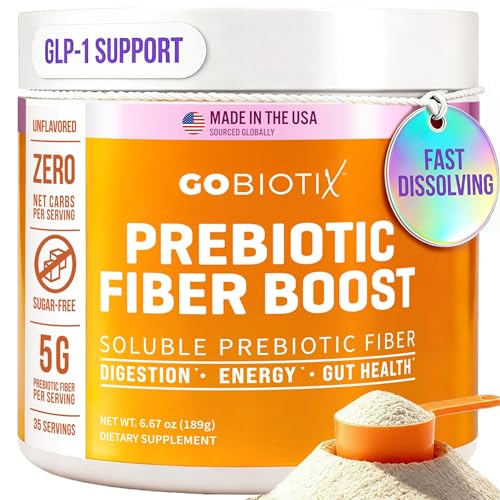
GOBIOTIX Fiber Supplement Powder with Prebiotics for Digestive Health and GLP-1 Support, Soluble Fiber for Gut Health & Debloat, Keto, Vegan, Gluten & Sugar Free, 35 Servings (1 Pack)
- Plant-Based Digestive Support: Supports daily gut health with soluble fiber
- Easy to Mix: Blends smoothly into drinks without clumping
- Versatile for All Lifestyles: Suitable for keto, vegan, low-carb diets
As an affiliate, we earn on qualifying purchases.
As an affiliate, we earn on qualifying purchases.
Frequently Asked Questions
Can Fiber Supplements Replace Dietary Fiber on Keto?
Fiber supplements can help replace some dietary fiber sources on keto, but they shouldn’t be your only option. While they’re convenient, it’s best to get fiber from whole foods like avocados, nuts, and low-carb vegetables. These natural sources provide additional nutrients your body needs. Use a fiber supplement as a supplement, not a complete replacement, to make certain you meet your daily fiber goals and support overall digestive health.
Are All Fiber Types Equally Beneficial for Keto?
While not all fiber types are created equal, both soluble and insoluble fibers offer unique benefits on keto. Soluble fiber, found in foods like chia seeds and avocados, helps regulate blood sugar and supports gut health. Insoluble fiber, present in nuts and leafy greens, adds bulk to your stool and promotes digestion. Incorporating a variety of fiber sources guarantees you receive the full spectrum of benefits, enhancing your keto journey smoothly.
How Much Fiber Should I Aim for Daily on Keto?
You should aim for about 25-30 grams of fiber daily on keto to support healthy digestion. Focus on fiber sources like leafy greens, nuts, seeds, and low-carb vegetables, which aid keto digestion without kicking you out of ketosis. Incorporate these foods regularly into your meals to meet your fiber goals, helping prevent constipation and maintain overall gut health while sticking to your keto plan.
Will Increasing Fiber Affect Ketosis?
Increasing fiber can impact ketosis, but it depends on your fiber choices. If you consume soluble fiber, it’s digested slowly and typically won’t raise blood sugar or ketone levels considerably. However, insoluble fiber may slightly influence digestion, potentially affecting ketosis if you overdo it. You should monitor your body’s response, as fiber digestion varies, and small adjustments can keep you in ketosis while enjoying the benefits of fiber-rich foods.
Are There Any Side Effects From High Fiber Intake on Keto?
High fiber intake on keto can cause some side effects like bloating, gas, and digestive discomfort, especially if you suddenly increase your fiber. It may also impact blood sugar levels slightly, so monitor how your body reacts. To maintain digestive health, introduce fiber gradually and choose keto-friendly sources like nuts, seeds, and low-carb vegetables. Staying hydrated helps mitigate these effects and keeps your digestion smooth.
keto-friendly snack bars with chia seeds
As an affiliate, we earn on qualifying purchases.
As an affiliate, we earn on qualifying purchases.
Conclusion
So, if you think you’re doomed to a life of soggy salads and boring meals, think again! With a little planning, you’ll be chowing down on fiber-rich foods that make your gut sing and your taste buds dance. No more fiber famine—your keto journey can be a fiber fiesta! Stick to these tips, and you’ll have enough fiber to keep you feeling fantastic, energized, and ready to conquer the world—one delicious bite at a time!
As an affiliate, we earn on qualifying purchases.
As an affiliate, we earn on qualifying purchases.