
TL;DR
This article provides an overview of common and regional olive varieties, including Castelvetrano, Kalamata, and Manzanilla, explaining their flavors and best uses. It aims to help consumers understand and select olives more confidently.
Olive varieties such as Castelvetrano, Kalamata, and Manzanilla are among the most popular in markets worldwide, each with distinct flavors and uses. This guide clarifies their differences to help consumers and chefs select the right olives for their needs.
Many olive varieties are distinguished by their color, flavor, and regional origin. For example, Castelvetrano olives from Sicily are known for their mild, meaty flavor and bright green color, making them versatile for snacking and cooking. Kalamata olives, from Greece, are dark purple and have a salty, tangy flavor, ideal for salads and tapenades. Manzanilla olives, originating from Spain, are small, juicy, and often stuffed with pimentos, commonly used as garnishes or in cocktails. Regional specialties such as Picholine from France and Nyons from France contribute to the diversity of available olives, each with unique textures and flavor profiles. The curing process, which can involve brining, dry curing, or marinating, also influences taste and texture, affecting how they are best used in dishes or as snacks.
Understanding Olive Varieties Enhances Culinary Choices
Knowing the differences among olive types allows consumers to select the best olives for specific dishes, whether for snacking, cooking, or garnishing. This knowledge can improve flavor pairing, enhance meal quality, and deepen appreciation for regional culinary traditions. Additionally, understanding regional specialties supports informed purchasing and promotes culinary diversity.
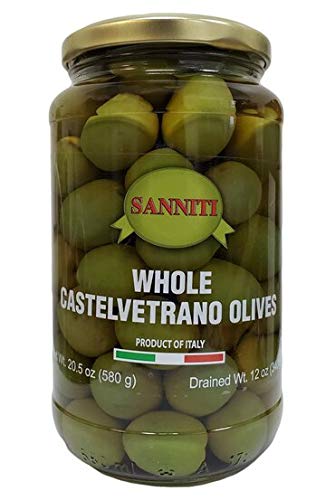
Sanniti Whole Castelvetrano Olives – 20.5 Ounce Jar
Sanniti Whole Castelvetrano Olives are imported directly from Sicily, where there are expertly grown and picked. Castelvetrano Olives…
As an affiliate, we earn on qualifying purchases.
As an affiliate, we earn on qualifying purchases.
Historical and Regional Roots of Popular Olive Types
Olives have been cultivated for roughly 8,000 years, with varieties evolving across the Mediterranean and other hot, dry climates. Many popular types, such as Castelvetrano and Kalamata, are tied to specific regions like Sicily and Greece, reflecting traditional cultivation and curing methods. The widespread availability of these olives in American markets stems from both regional heritage and modern agricultural practices, including California’s dominance in domestic olive production. Regional specialties like Nyons and Picholine from France, and Niçoise from France, further illustrate the diversity of olive cultivars linked to local terroirs and culinary traditions.
“Understanding the regional origins and curing methods of olives is key to appreciating their flavors and uses.”
— Olive expert Maria Rossi

Boscoli Family Kalamata Olive Salad, 15.5 oz.
Kalamata Olive Salad
As an affiliate, we earn on qualifying purchases.
As an affiliate, we earn on qualifying purchases.
Unconfirmed Details About Regional Olive Cultivation
While the general profiles of popular olive varieties are well documented, specific details about cultivation practices, curing techniques, and flavor nuances for some regional or lesser-known varieties remain less documented or vary by producer. Additionally, the impact of climate change on regional olive production is still being studied, and future shifts in availability or flavor profiles are possible.

Mario Camacho Foods Manzanilla Stuffed with Pimiento, 7.0 Fluid Ounce (Pack of 6)
Non GMO
As an affiliate, we earn on qualifying purchases.
As an affiliate, we earn on qualifying purchases.
Future Trends in Olive Cultivar Availability and Use
Consumers can expect increased availability of regional and specialty olives as global trade expands and local producers innovate. Culinary trends may also influence the popularity of specific varieties, with more emphasis on sourcing regional and sustainably farmed olives. Ongoing research into curing and flavor enhancement techniques could further diversify how olives are used in cooking and snacking.

Infused Olive Oil Gift Set – Variety Pack – 4 Flavored Olive Oil Extra Virgin, 3 Spice Flavorful Infusion Blends, Bread Dipping Bowl & Recipe Booklet – Set of 8 – Gourmet Cooking Gifts for Women – Gift For Dad
FLAVORED OLIVE OIL VARIETY PACK – Unlock Bold Mediterranean Taste – Includes 4 infused oils: Garlic, Onion, Chili…
As an affiliate, we earn on qualifying purchases.
As an affiliate, we earn on qualifying purchases.
Key Questions
What are the main differences between green and black olives?
Green olives are harvested earlier and tend to have a firmer texture and milder flavor, while black olives are ripened on the tree, resulting in a softer texture and deeper, often more intense flavor.
Which olive varieties are best for snacking?
Varieties like Castelvetrano, Manzanilla, and Cerignola are popular for snacking due to their size, texture, and flavor profile. Manzanilla olives are often stuffed and served as appetizers, while Cerignola olives are large and meaty.
How should I store olives to maintain freshness?
Olives should be kept in their brine or oil in an airtight container in the refrigerator. They typically stay fresh for several weeks to months, depending on the curing process and storage conditions.
Are all olives suitable for cooking?
Most olives can be used in cooking, but their flavor and texture vary. Mild varieties like Castelvetrano are versatile, while more pungent or salty types like Niçoise are better suited for specific dishes like salads or tapenades.
What should I look for when buying olives?
Choose olives that are firm, free of mold or discoloration, and stored in a sealed container. Check the label for curing method and regional origin to match your intended use.
Source: Bon Appétit