
High cholesterol on a keto diet can be concerning, but it largely depends on the types of fats you consume and how your body responds. Not all fats raise bad cholesterol, especially if you focus on healthy sources like avocados, nuts, and fatty fish. Regular testing helps you keep track and make adjustments if needed. To learn how to manage your levels effectively, keep exploring ways to optimize your keto approach.
Key Takeaways
- Not all fats on keto raise LDL; fat quality and individual response influence cholesterol levels.
- Regular blood tests help monitor lipid changes and assess if high cholesterol poses health risks.
- Replacing saturated fats with healthier options like monounsaturated fats can improve cholesterol profiles.
- Elevated HDL and decreased triglycerides on keto may offset some concerns about LDL increases.
- Personalized strategies and professional guidance are essential to manage cholesterol effectively while on keto.
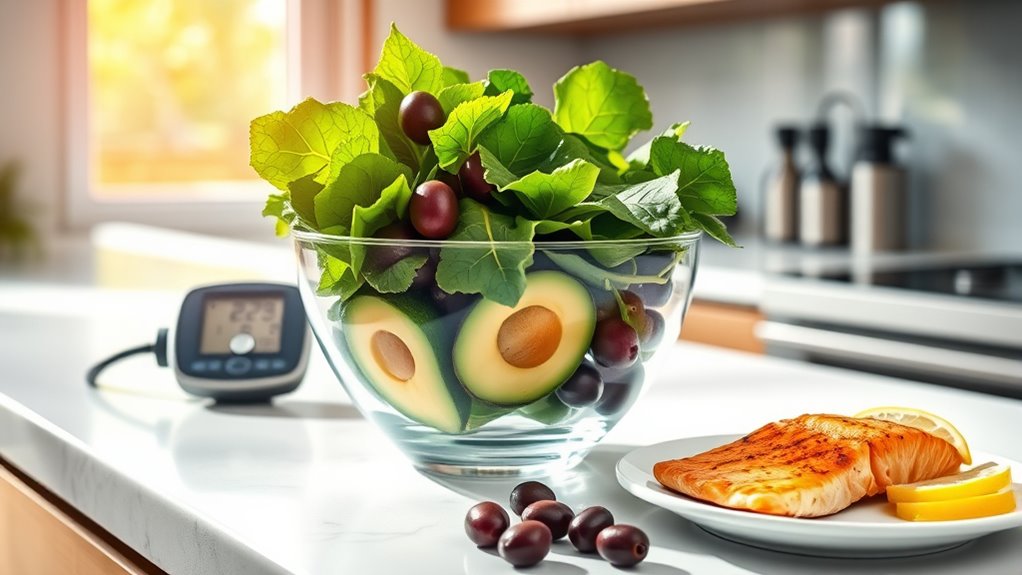
Many people worry that following a ketogenic diet might lead to high cholesterol levels, raising concerns about heart health. It’s a common worry because the diet emphasizes high intake of dietary fats, which some associate with increased cholesterol. However, understanding cholesterol management on keto is more nuanced. Not all fats have the same impact on your cholesterol levels, and individual responses can vary.
When you adopt a keto lifestyle, you typically consume more saturated fats, monounsaturated fats, and sometimes even trans fats, depending on your food choices. This shift can cause your LDL (bad cholesterol) levels to rise in some individuals. But it’s important to recognize that the relationship between dietary fats and cholesterol isn’t straightforward. For many, increased LDL cholesterol doesn’t necessarily translate into a higher risk of heart disease, especially if HDL (good cholesterol) levels also rise and triglycerides decrease.
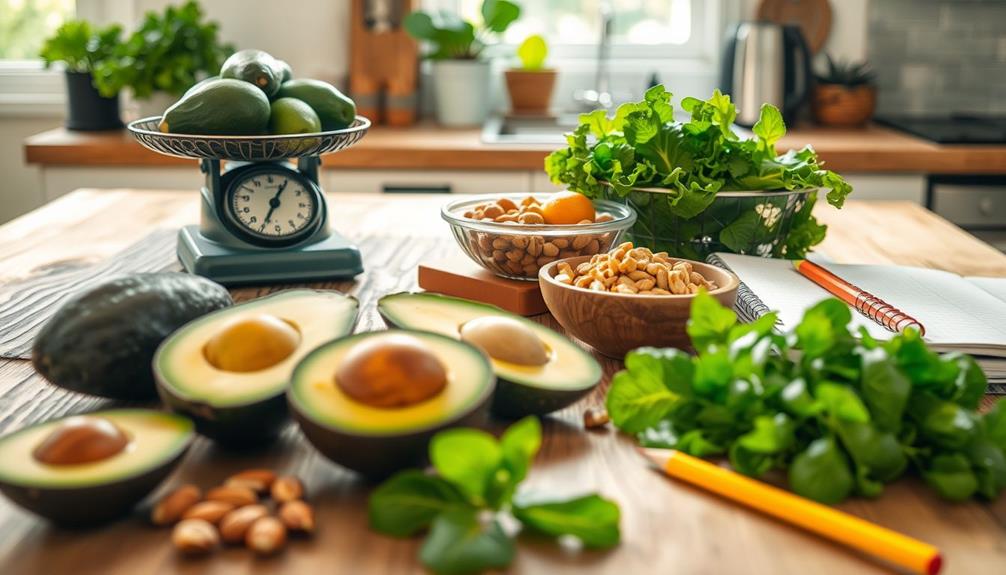
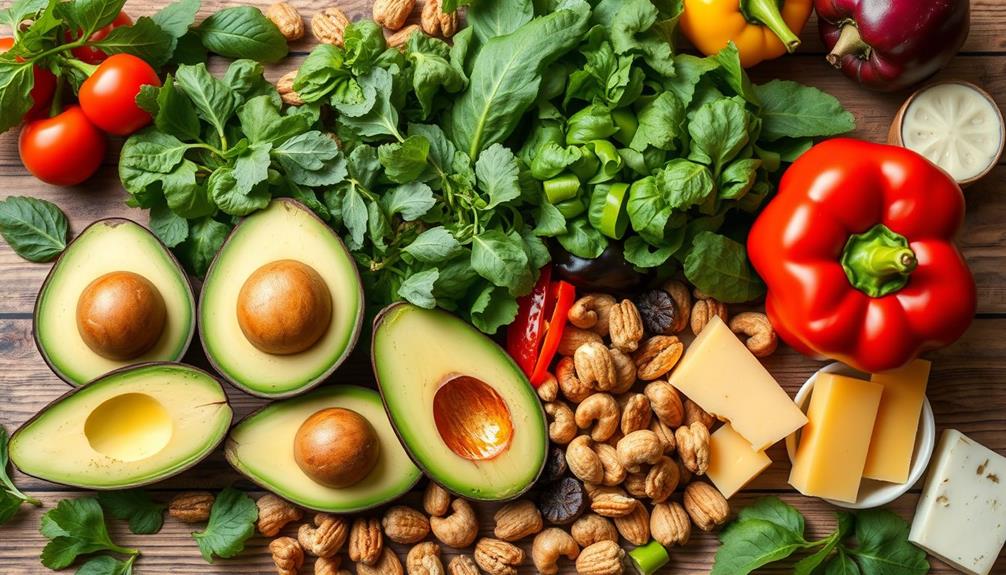
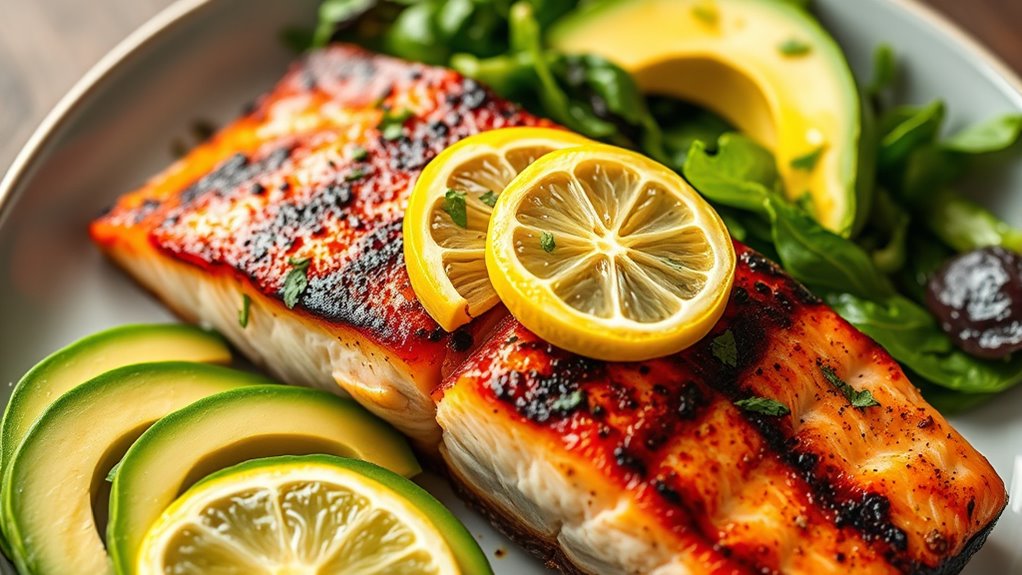
Cholesterol management on keto involves monitoring how your body responds to these dietary fats. Regular blood tests can help you track your lipid profile, giving you insights into whether your LDL levels are climbing or if your HDL is improving. If you notice unfavorable changes, you might need to adjust your fat sources, perhaps favoring healthier options like avocados, nuts, seeds, and fatty fish, which contain omega-3 fatty acids known to promote better cholesterol ratios.
Monitor your lipid profile regularly and adjust fats to support healthy cholesterol on keto.
The quality of dietary fats is vital. While saturated fats from sources like butter and red meat are often debated, recent research suggests that their impact on heart health varies among individuals. Some people tolerate these fats well, experiencing little change in their cholesterol levels. Conversely, replacing some saturated fats with monounsaturated and polyunsaturated fats can support better cholesterol management. For example, olive oil, avocados, and oily fish can help improve your lipid profile while maintaining a ketogenic state.
Additionally, incorporating creative approaches to healthy fats can make a significant difference in managing your cholesterol levels effectively. Ultimately, your response to dietary fats on keto depends on your genetics, overall health, and lifestyle. It’s not just about what you eat but how your body handles those fats. If you’re concerned about high cholesterol, consult with a healthcare professional who can guide you through personalized cholesterol management strategies. They might recommend dietary modifications, increased physical activity, or other interventions to keep your heart health in check while enjoying the benefits of a ketogenic diet. Remember, managing cholesterol isn’t about avoiding fats altogether but about choosing the right kinds and monitoring your levels regularly.
Top picks for "high cholesterol keto"
Open Amazon search results for this keyword.
As an affiliate, we earn on qualifying purchases.
Frequently Asked Questions
Can Keto Cause Long-Term Heart Health Issues Due to High Cholesterol?
High cholesterol on keto can raise concerns about long-term heart health, but many Cholesterol myths and Keto myths persist. You might think elevated cholesterol means danger, but it’s often a sign of improved lipid profiles, like increased HDL. Instead of worrying, focus on overall heart health, including diet quality and exercise. Consult your doctor for personalized advice, as long-term effects vary and are influenced by individual health factors.
Should I Monitor My LDL and HDL Levels Differently on Keto?
Think of your cholesterol levels as a garden that needs regular tending. You should monitor your LDL and HDL levels differently on keto by getting regular cholesterol testing and reviewing your lipid profile. This helps you spot any imbalances early. Keep an eye on your LDL, the “bad” cholesterol, and HDL, the “good” kind, to guarantee your heart health stays on track while enjoying your keto journey.
Are There Specific Foods to Reduce Cholesterol While on Keto?
Yes, you can include cholesterol-lowering foods like avocados, nuts, and seeds in your keto diet. Focus on keto-friendly fats such as olive oil, coconut oil, and fatty fish, which support healthy cholesterol levels. Incorporate these foods regularly to help reduce your cholesterol. Avoid processed meats and trans fats, and stay consistent with your diet and monitoring to maintain healthy cholesterol levels while on keto.
How Quickly Can Keto Affect My Cholesterol Levels?
Your body’s like a ship adjusting its sails during keto adaptation, and cholesterol levels can fluctuate like changing tides. Typically, within a few weeks, you might see these shifts, but everyone’s different. Cholesterol fluctuation happens as your body learns to burn fat for fuel. Stay patient and monitor your levels regularly, because this voyage often leads to a healthier course, even if the waters seem choppy at first.
Is High Cholesterol on Keto Reversible With Diet Adjustments?
Yes, high cholesterol on keto is reversible with dietary modifications. You can manage your cholesterol through targeted cholesterol management strategies, such as increasing fiber intake, choosing healthy fats, and reducing saturated fats. By adjusting your diet, you help lower LDL levels and improve your overall lipid profile. Consistent dietary changes, along with regular check-ins, can effectively reverse high cholesterol and support your keto journey safely.
Conclusion
So, if you’re worried about high cholesterol on keto, don’t panic and let your arteries turn into clogged highways! Remember, for most, your body adapts like a chameleon, and your cholesterol levels often stabilize faster than you’d imagine. Keep an eye on your numbers, eat smart, and trust that your body’s incredible resilience will handle it. With proper care, you’ll be cruising down the keto road, not stuck in a traffic jam of health worries!