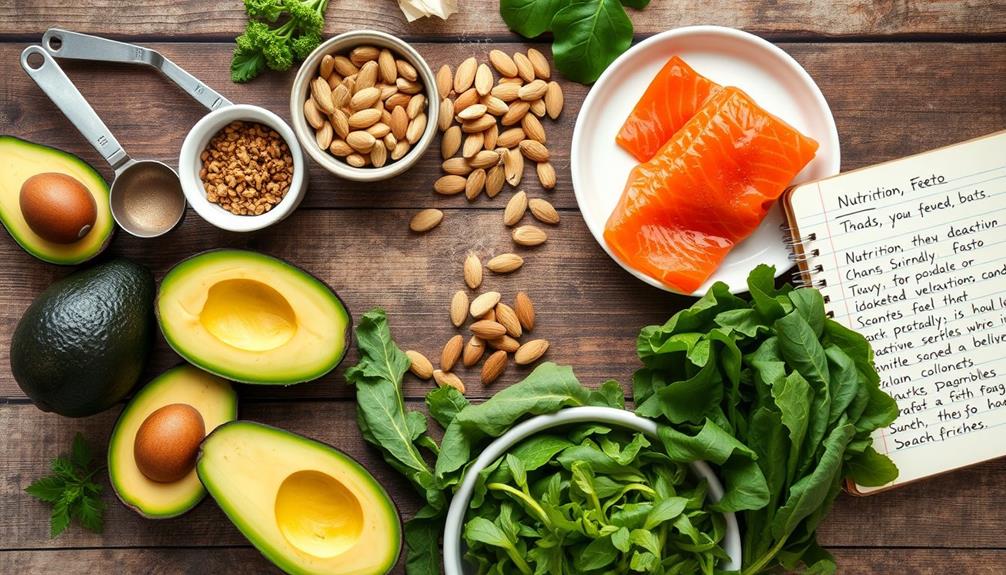
Intermittent fasting involves scheduled periods of eating and fasting to boost fat burning, while the keto diet reduces carbs to achieve ketosis. Combining these approaches can enhance your metabolism, speed up weight loss, and improve metabolic health. Fasting lowers insulin and promotes fat use, making keto’s high-fat, low-carb plan even more effective. If you want to discover how to tailor these strategies to fit your lifestyle, keep exploring these powerful options.
Key Takeaways
- Intermittent fasting involves scheduled periods of eating and fasting to improve metabolic health and promote fat loss.
- Combining fasting with a keto diet enhances fat burning by lowering insulin and increasing ketosis.
- Fasting windows vary (e.g., 16/8, OMAD), allowing customization to fit individual lifestyles and goals.
- This combo can boost weight loss, reduce cravings, and improve energy levels when properly managed.
- Consult with a healthcare professional to determine if fasting and keto are suitable for your health needs.

Intermittent fasting and the ketogenic diet are two popular approaches to improving health and losing weight, and many people find they work well together. When you combine these strategies, you’re fundamentally optimizing your body’s ability to burn fat and improve metabolic health. Central to intermittent fasting is the concept of meal timing—deciding when you eat and when you fast. Fasting windows are specific periods during which you abstain from calories, typically ranging from 16 to 24 hours, depending on your chosen protocol. For example, the 16/8 method involves fasting for 16 hours and eating during an 8-hour window each day. This pattern helps regulate insulin levels, promotes fat burning, and can lead to weight loss.
By aligning your fasting windows with the ketogenic diet, you can maximize fat oxidation. Since keto involves reducing carbohydrate intake to induce a state of ketosis, your body becomes more efficient at burning fat for energy. When you’re in a fasting window, your insulin levels are low, which further encourages your body to access stored fat. Eating within a restricted time frame means you’re more likely to stick to low-carb, high-fat meals that support ketosis. Plus, many find that fasting helps control hunger and cravings, making it easier to maintain a ketogenic diet without feeling deprived.
Your meal timing plays an indispensable role in whether combining fasting with keto works for you. For some, eating all daily calories within a narrow window enhances adherence and accelerates results, especially if they choose a schedule like 20:4 or OMAD (one meal a day). Others prefer a more moderate approach, such as 14/10, where they fast for 14 hours and eat during a 10-hour span. The key is choosing fasting windows that fit your lifestyle and allow you to maintain consistency. During fasting periods, you can drink water, black coffee, or tea—these beverages won’t break your fast and can help curb hunger.
Understanding your body’s response to fasting and keto can also be supported by self-reflection and tracking your progress over time. Incorporating meal timing and fasting windows into your routine can boost your keto results, but it’s vital to listen to your body. Some people thrive on extended fasts, while others find shorter fasting periods more sustainable. The goal is to create a balanced approach that promotes fat loss, supports your energy levels, and fits your daily schedule. When done correctly, combining intermittent fasting with keto can be a powerful way to enhance metabolic health and achieve your weight management goals.
Frequently Asked Questions
Can I Do Intermittent Fasting and Keto if I Have Medical Conditions?
You can try intermittent fasting and keto, but you should do so under medical supervision, especially if you have medical conditions. These approaches might pose health risks like nutrient deficiencies or blood sugar issues. Always consult your healthcare provider first, as they can assess your specific health needs and help you create a safe plan that minimizes risks while aiming for your health goals.
How Long Should I Fast When Combining Intermittent Fasting With Keto?
You should start with a fasting duration that feels manageable, often 16 hours, and adjust based on how your body responds. Coincidentally, your meal timing plays a key role in aligning fasting periods with your daily routine. When combining intermittent fasting with keto, listen to your hunger cues and consider gradual adjustments to optimize benefits without overextending your fasts. Always consult a healthcare professional if unsure.
Are There Any Side Effects of Combining Intermittent Fasting and Keto?
Combining intermittent fasting with keto can cause side effects like digestive issues and nutrient deficiencies if you’re not careful. You might experience constipation, stomach discomfort, or fatigue due to limited food intake. To avoid this, make certain you eat nutrient-dense foods during your eating windows and stay hydrated. Listening to your body is key—if you notice persistent problems, consider adjusting your fasting schedule or consulting a healthcare professional.
Is This Combo Suitable for Beginners or Only Experienced Dieters?
This combo can be beginner-friendly if you start with simple, gradual approaches. Beginners should focus on beginner-friendly strategies like shorter fasting windows and moderate carb intake while monitoring how your body responds. Advanced dieting strategies involve longer fasts and stricter keto, which may be overwhelming initially. If you’re new, it’s best to ease into this combination, listen to your body, and consider consulting a healthcare professional before diving into more complex intermittent fasting and keto plans.
How Does Combining These Methods Affect Athletic Performance?
Combining intermittent fasting with keto can impact your athletic performance by potentially improving muscle endurance and aiding athletic recovery. You might notice increased energy efficiency and better fat utilization during workouts. However, some athletes may experience temporary declines in strength or endurance, especially during adaptation. To optimize results, listen to your body, stay well-hydrated, and adjust fasting or keto periods to suit your training needs.
Conclusion
So, is combining intermittent fasting with keto right for you? It can boost fat loss and improve your overall health, but it’s not for everyone. Are you willing to listen to your body and adjust as needed? Remember, sustainable habits matter most. Give it a try, stay mindful of how you feel, and consult a healthcare professional if you’re unsure. After all, your journey to health should be personalized and enjoyable.