

Adopting a keto diet can impact your heart health by lowering triglycerides and raising HDL cholesterol, which benefits your heart. However, it may also increase LDL cholesterol depending on the fats you choose. Your blood pressure often decreases as you lose weight and improve insulin sensitivity. The overall effect depends on the quality of fats you consume and your lifestyle. To understand how to tailor your approach safely, consider exploring more about keto and heart health.
Key Takeaways
- A ketogenic diet can lower triglycerides and increase HDL cholesterol, potentially reducing cardiovascular risk.
- It may raise LDL cholesterol in some individuals, depending on genetics and fat sources consumed.
- Many experience blood pressure reductions due to weight loss and improved insulin sensitivity.
- Choosing healthy fats (monounsaturated/polyunsaturated) supports better heart health on keto.
- Regular monitoring of cholesterol and blood pressure is essential to manage individual cardiovascular effects.

The ketogenic diet has gained popularity for its ability to promote weight loss and improve metabolic health, but many people wonder how it affects heart health. When you adopt a ketogenic diet, you’re mainly focusing on high-fat, low-carbohydrate foods that shift your body into a state of ketosis. This metabolic change can influence your cholesterol levels and blood pressure, both of which are key factors in cardiovascular risk. Understanding how the ketogenic diet impacts these markers can help you make informed decisions about your health.
On one hand, following a ketogenic diet often leads to a reduction in triglycerides and an increase in HDL cholesterol, the “good” kind that helps remove fats from your bloodstream. These changes can lower your overall cardiovascular risk. However, some individuals might experience an increase in LDL cholesterol, the “bad” cholesterol, which can raise concerns about atherosclerosis if levels become too high. The effect on LDL varies from person to person, depending on genetics and the types of fats consumed. Consuming more saturated fats may elevate LDL, while focusing on healthier fats like monounsaturated and polyunsaturated fats can mitigate this effect. Consequently, your choice of fats on a ketogenic diet greatly influences its impact on your cardiovascular risk profile.
Blood pressure is another critical aspect. Many people see a decrease in blood pressure after switching to a ketogenic diet, likely due to weight loss and improved insulin sensitivity. Lower blood pressure reduces strain on your arteries and decreases the risk of heart disease. However, if you have existing hypertension or other health concerns, it’s vital to monitor your blood pressure closely as you adapt to the diet. In some cases, drastic dietary changes can cause fluctuations that might temporarily elevate blood pressure or cause other cardiovascular issues. Regular check-ups enable you to track these changes and adjust your diet accordingly.
While the ketogenic diet can positively influence some cardiovascular risk factors, it’s not a one-size-fits-all solution. The impact on heart health depends on how you implement the diet—specifically, the quality and types of fats you choose and how well you manage other lifestyle factors like exercise and smoking. Consulting with a healthcare professional before making substantial dietary changes guarantees you’re taking steps that align with your overall health goals. Ultimately, a well-planned ketogenic diet, emphasizing healthy fats and balanced nutrition, can support heart health, but vigilance and personalized guidance are crucial to minimizing potential risks associated with cholesterol and blood pressure changes.
Additionally, understanding credit card terms and maintaining healthy financial habits can reduce stress that might negatively impact your cardiovascular health.
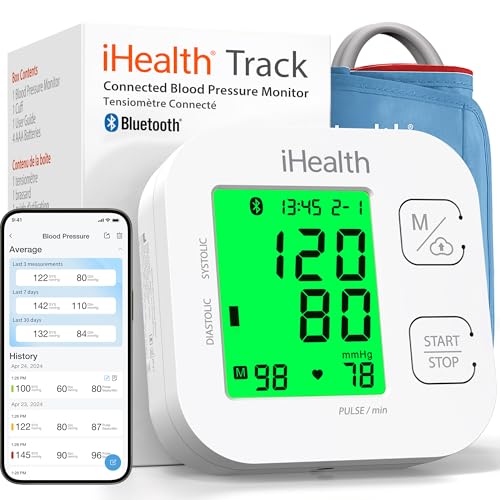
iHealth Track Smart Upper Arm Blood Pressure Monitor with Wide Range Cuff That fits Standard to Large Adult Arms, Bluetooth Compatible for iOS & Android Devices
Clinically Accurate: Easy Operation by two buttons, Advanced Accuracy, No Calibration required.
As an affiliate, we earn on qualifying purchases.
As an affiliate, we earn on qualifying purchases.
Frequently Asked Questions
Can Keto Diet Cause Arrhythmias or Irregular Heartbeat?
A keto diet can potentially cause arrhythmias or irregular heartbeat if you develop an electrolyte imbalance, which affects your heart’s electrical signals. Low levels of potassium, magnesium, or sodium disrupt heart rhythm. If you’re on heart rhythm medications, keto may interact or worsen your condition. Always monitor electrolyte levels closely and consult your doctor before starting keto, especially if you have existing heart issues or are on medication.
How Long Does It Take to See Heart Health Benefits on Keto?
Ever wonder how long it takes to see heart health benefits on keto? Typically, you might notice improvements in blood pressure and cholesterol within a few weeks to a few months, depending on your commitment and starting point. While some may see faster results, the health improvement timeline varies for everyone. Stay consistent, monitor your progress, and consult your healthcare provider to tailor your approach for peak heart health.
Are There Specific Keto Foods That Support Heart Health?
You can support heart health on keto by choosing foods like fatty fish, which provide omega-3s that lower triglycerides and improve cholesterol. Nuts and berries are also great options; nuts supply healthy fats and fiber, while berries offer antioxidants that reduce inflammation. Incorporate these into your diet regularly to enhance your cardiovascular benefits and maintain a balanced, heart-friendly keto plan.
Is Ketogenic Diet Safe for People With Existing Heart Disease?
If you have existing heart disease, you should consult your doctor before starting a ketogenic diet. The diet’s nutrient interactions, especially with fats and cholesterol, could influence your heart disease risk. While some people see benefits, others might experience increased cholesterol or blood pressure levels. Carefully monitoring your health and working with a healthcare professional guarantees that the keto diet is safe and tailored to your specific needs.
How Does Keto Influence Triglyceride Levels Long-Term?
Have you wondered if keto truly benefits your triglycerides long-term? It often promotes triglyceride reduction, especially early on, but the long-term effects vary depending on your food choices and adherence. If you stick to healthy fats and maintain a balanced diet, you may sustain triglyceride improvements. However, inconsistent or unhealthy fat sources could diminish those benefits over time. Staying mindful helps make certain of lasting positive effects on your triglyceride levels.

Sports Research® Omega-3 Fish Oil 1250 – Triple Strength Fish Oil Supplement from Wild Alaska Pollock – MSC Certified Sustainable · Non-GMO · Soy Free – 90 Softgel Capsules
ALWAYS FRESH, NEVER FISHY: Say goodbye to fishy aftertaste, burps, and lingering odor. Our Triple Strength Omega-3 Fish…
As an affiliate, we earn on qualifying purchases.
As an affiliate, we earn on qualifying purchases.
Conclusion
So, you’re ready to plunge into the keto craze, ignoring those pesky cholesterol and blood pressure numbers? Just remember, while you might boost your fat intake and cut carbs, your heart might be throwing a silent tantrum. Who knew that a diet promising quick results could come with such a hefty price tag? Stay cautious, or you might just be swapping your heart’s health for a shiny new six-pack. Your arteries will thank you… or not.

The Healthy Fat Keto: Burn Fat, Boost Energy & Transform Your Health: A Simple, Sustainable Approach to Keto for Lifelong Health & Vitality
As an affiliate, we earn on qualifying purchases.
As an affiliate, we earn on qualifying purchases.

Ketocore Keto Vitamins | Keto Multivitamin for Men & Women | Keto Supplements & Carnivore Diet Supplements, Keto Friendly Multivitamin | No Keto Flu | Rich in Magnesium & Potassium | 90 Capsules
ULTIMATE KETO MULTIVITAMIN: Discover Ketocore Multivitamin, enriched with 27 potent ingredients like vitamin D3, A, B6, B12, C,…
As an affiliate, we earn on qualifying purchases.
As an affiliate, we earn on qualifying purchases.