Oat fiber is keto-friendly because it’s mainly made of insoluble fiber with almost no digestible carbs, so it won’t spike your blood sugar or interfere with ketosis. It’s a great addition to low-carb baking, helping you add bulk, moisture, and a good texture without increasing carbs. Flavor-neutral, it works well with other keto ingredients. Want to discover how to incorporate oat fiber into your recipes for satisfying, keto-approved baked goods? Keep going to find out more.
Key Takeaways
- Oat fiber is mostly insoluble fiber with negligible digestible carbs, making it suitable for keto diets.
- It supports low-carb baking by adding bulk, moisture, and mimicking traditional baked goods’ texture.
- Oat fiber does not significantly impact blood sugar or ketosis, aligning with keto dietary goals.
- It is flavor-neutral, allowing versatile use in various keto recipes like bread, muffins, and cookies.
- When used in moderation alongside other keto-friendly flours, oat fiber enhances texture without increasing carbs.
If you’re following a ketogenic diet, you may wonder how oat fiber fits into your plan. Oat fiber is often touted as a beneficial fiber source, but because it comes from oats, which contain carbs, it’s natural to question whether it aligns with keto principles. The good news is that oat fiber is primarily made from the insoluble fiber found in oats, and most of the carbs are removed during processing. This means that oat fiber is mostly fiber, with very few digestible carbs, making it a suitable ingredient for keto adaptations. When you’re looking to incorporate fiber sources into your low-carb baking, oat fiber can be a valuable addition, offering texture and bulk without kicking you out of ketosis.
Oat fiber is mostly insoluble fiber with minimal digestible carbs, making it keto-friendly and ideal for low-carb baking.
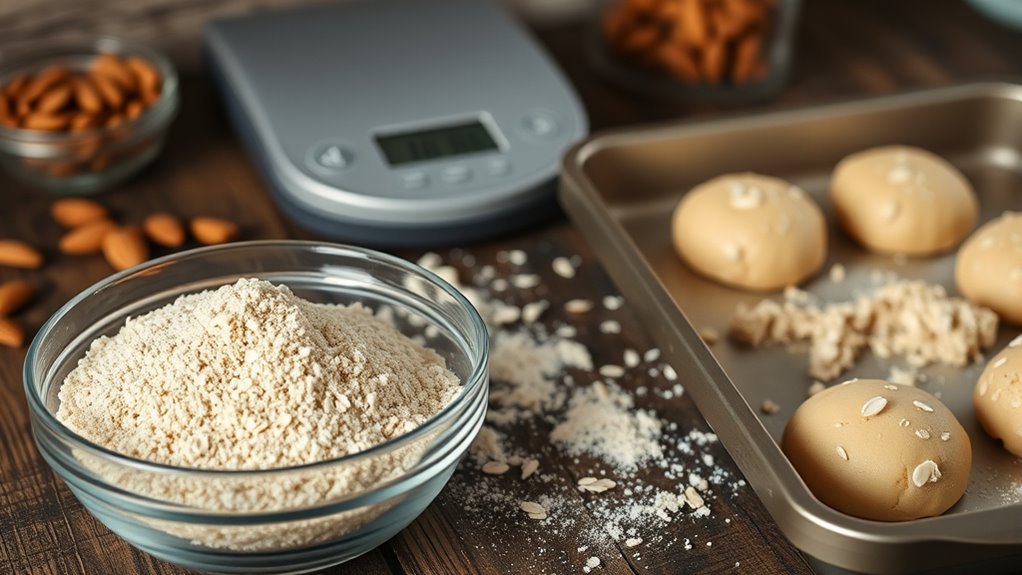
The key to using oat fiber effectively in your keto baking is understanding its role and limitations. Unlike oats or oat flour, oat fiber contains negligible net carbs because it’s mostly indigestible fiber. This makes it an excellent choice for adding bulk and moisture to baked goods without increasing your carbohydrate count considerably. You can use oat fiber in recipes for bread, muffins, pancakes, or cookies to mimic the texture and consistency of traditional wheat-based baked goods. It’s especially useful because it absorbs liquid well, helping you create products that are satisfying and have a good mouthfeel, even without gluten or wheat flour.
In terms of keto adaptations, incorporating oat fiber requires a bit of finesse. Since it’s a fiber supplement, it doesn’t provide calories or carbs that impact blood sugar levels, but it can influence the texture of your baked goods. When you use oat fiber, be mindful of balancing it with other low-carb ingredients like almond flour, coconut flour, or protein powders. This balance ensures your baked goods aren’t overly dense or dry. Additionally, because oat fiber is flavor-neutral, it won’t alter the taste of your recipes, allowing you to experiment with spices, sweeteners, and extracts freely.
Using oat fiber in your low-carb baking also supports digestive health by increasing your fiber intake without risking a spike in blood sugar. As you adapt your baking recipes, you’ll find that oat fiber can help you create satisfying, keto-friendly treats that align with your dietary goals. It’s an adaptable ingredient that, when used correctly, enhances the texture and nutritional profile of your baked goods, making it easier to stick to your keto lifestyle without sacrificing variety or flavor.
Frequently Asked Questions
Can Oat Fiber Replace Almond Flour in Keto Recipes?
You can replace almond flour with oat fiber in keto recipes, but keep in mind that oat fiber is gluten-free, unlike almond flour, which adds a bit of structure. Oat fiber improves texture and adds fiber, but it doesn’t provide the same fat content or flavor. Use it in combination with other low-carb flours to maintain the right texture and avoid a dry or crumbly result.
Does Oat Fiber Affect Blood Sugar Levels on Keto?
Oat fiber is like a gentle river flowing through your blood sugar levels—generally, it has minimal impact. It’s low in carbs and fiber-rich, so it contributes little to blood sugar spikes. Using oat fiber may cause a mild insulin response, but it’s usually manageable within a keto diet. You can enjoy baked goods with oat fiber without worrying about major blood sugar fluctuations, making it a smart choice.
How Does Oat Fiber Influence Ketosis Compared to Other Fibers?
Oat fiber has a minimal impact on ketosis compared to other fibers because it’s mostly insoluble and digestible, which means it doesn’t substantially raise blood sugar levels. When you consume oat fiber, your body processes it slowly, helping maintain fiber digestion without disrupting ketosis. While some fibers can hinder ketosis, oat fiber’s unique composition makes it a suitable choice for low-carb baking, supporting your goal to stay in ketosis.
Is Oat Fiber Suitable for a Vegan Keto Diet?
Yes, oat fiber is suitable for a vegan keto diet because it’s a plant-based baking ingredient that fits well with your dietary goals. It provides fiber without adding carbs, helping you meet your fiber needs while maintaining ketosis. You can incorporate it alongside other vegan protein sources and plant-based baking ingredients, making your low-carb, vegan recipes more satisfying and nutritious without compromising your keto lifestyle.
What Are the Storage Tips for Oat Fiber?
To keep your oat fiber fresh, store it in an airtight container in a cool, dry place. Avoid humidity and direct sunlight, which can spoil its quality. Proper storage extends its shelf life and prevents clumping or mold growth. If you buy in bulk, consider refrigerating or freezing a portion to maintain freshness longer. Regularly check for any signs of spoilage before using in your low-carb baking recipes.
Conclusion
So, next time you’re dreaming of keto-friendly treats, just picture oat fiber as that charming friend who’s secretly a wolf in sheep’s clothing. It promises all the fiber and health benefits, but sneakily sneaks in carbs you didn’t see coming. Your low-carb baking adventure becomes a thrilling game of “Guess the Carb,” with oat fiber playing the mischievous trickster. Stick to trusted ingredients, or your keto castle might just crumble under the weight of unexpected carbs!