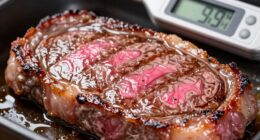

Choosing between high protein and standard keto affects your body composition, metabolism, and health. A high protein keto provides more amino acids to support muscle preservation and boost metabolic rate but risks pushing you out of ketosis through gluconeogenesis. Standard keto emphasizes fat as the main energy source, helping maintain ketosis with moderate protein intake. If you want to learn more about the benefits and considerations of each approach, keep exploring.
Key Takeaways
- High protein keto supports muscle preservation and may boost metabolic rate but risks increased gluconeogenesis, potentially reducing ketosis.
- Standard keto emphasizes moderate protein and higher fat intake, promoting steady fat burning and ketosis maintenance.
- High protein diets can enhance body composition and metabolic health but require quality protein sources to avoid health risks.
- Both approaches influence weight loss; high protein may accelerate it via thermic effects, while standard keto relies on fat oxidation.
- Personalized monitoring and technology can optimize each diet’s effects, aligning with individual health goals and responses.

When choosing a keto diet, understanding the differences between high protein and standard keto can help you make an informed decision. Both approaches aim to shift your body into ketosis, where it burns fat for fuel, but they differ markedly in macronutrient composition and potential effects on your health. High protein keto emphasizes increased protein intake, usually around 20-25% of your daily calories, while standard keto keeps protein levels moderate, around 10-15%. This distinction can influence how your body preserves muscle and maintains your metabolic rate over time.
Understanding high protein versus standard keto helps you tailor your diet for muscle preservation and metabolic health.
If your goal is muscle preservation, opting for a high protein keto might be advantageous. Higher protein levels provide your body with ample amino acids, which are essential for repairing and building muscle tissue. During a calorie deficit, this can help prevent muscle loss, a common concern with restrictive diets. Furthermore, increased protein intake can support your metabolic rate because digesting and metabolizing protein burns more calories compared to fats and carbs. This thermic effect of food can boost your overall calorie expenditure, making it easier to lose weight while maintaining muscle mass.
However, it’s important to consider that too much protein may interfere with ketosis. Excess amino acids can be converted into glucose through a process called gluconeogenesis, potentially raising blood sugar levels and reducing fat-burning efficiency. With standard keto, the focus remains on moderate protein to make certain your body stays in ketosis without risking this conversion. This balance helps sustain a steady state of fat burning and may be more suitable if you’re sensitive to dietary fluctuations or new to keto.
In terms of health effects, high protein keto may support better body composition by protecting muscle and possibly increasing metabolic rate. But, it’s essential to choose quality protein sources—lean meats, fish, eggs, and plant-based options—to avoid excess saturated fat and other undesirable components. Standard keto, on the other hand, often emphasizes higher fat intake, which can improve satiety and energy levels but might not offer the same muscle-preserving benefits.
Additionally, the use of AI technologies like monitoring tools can help optimize dietary choices and track how your body responds to different macronutrient ratios, ensuring you stay aligned with your health goals.
Ultimately, your choice depends on your personal health goals and how your body responds. If maintaining muscle and boosting your metabolic rate are priorities, a high protein keto could be more effective. But if you prefer a more traditional ketogenic approach, focusing on moderate protein and higher fats might suit you better. Either way, paying attention to how your body reacts and adjusting accordingly will help you optimize your diet for long-term health and performance.
Top picks for "high protein standard"
Open Amazon search results for this keyword.
As an affiliate, we earn on qualifying purchases.
Frequently Asked Questions
How Does High Protein Intake Affect Kidney Health Long-Term?
High protein intake can cause kidney strain over time, especially if you have pre-existing kidney issues. Protein overload forces your kidneys to work harder, which may lead to impaired function in the long run. If you consume excessive amounts regularly, you risk stressing your kidneys unnecessarily. It’s important to monitor your intake and consult a healthcare professional to guarantee you’re not putting yourself at risk of kidney damage.
Are There Specific Populations Who Should Avoid High Protein Keto?
You should avoid high protein keto if you have kidney risk or protein sensitivity, as it might worsen your condition. People with pre-existing kidney issues, those prone to kidney stones, or with metabolic disorders should be cautious. Your body reacts differently, and high protein intake could strain your kidneys. Always consult your healthcare provider before starting a high protein keto to prevent potential health risks.
What Are the Best Food Sources for High Protein Keto Diets?
You should prioritize meat varieties like beef, chicken, and pork, which are rich in high-quality protein. Incorporate plant-based options such as tofu, tempeh, and seitan for variety and fiber. Eggs and dairy products like cheese and Greek yogurt also boost your protein intake. Focus on these food sources to meet your high protein keto goals while maintaining a balanced, low-carb diet.
How Does Each Diet Impact Athletic Performance and Muscle Gain?
You’ll find that a high protein keto diet boosts your muscle recovery and energy levels more effectively than a standard keto diet. The increased protein intake provides essential amino acids, supporting muscle repair and growth after workouts. This enhanced recovery allows you to train harder and more frequently, improving overall athletic performance. While both diets can support muscle gain, the high protein approach gives you a noticeable edge in maintaining strength and stamina.
Can High Protein Keto Improve Metabolic Health Beyond Weight Loss?
Think of your body as a finely tuned engine; high protein keto can enhance your metabolic health beyond just weight loss. By improving protein absorption and boosting metabolic flexibility, this diet helps your body adapt efficiently to different fuel sources. You may experience better blood sugar regulation, reduced inflammation, and increased energy levels, making you more resilient. This approach *reveals* your body’s potential, turning it into a powerhouse of metabolic efficiency.
Conclusion
As you navigate your keto journey, picture yourself at a fork in the road—one path lush with high-protein options, the other with standard keto fare. Both lead to health, but the choice shapes your body’s landscape, like carving a river through a valley. Trust your instincts and goals, knowing each step molds your well-being. With mindful choices, you can craft a vibrant, energized life—your own unique path toward vitality and balance.