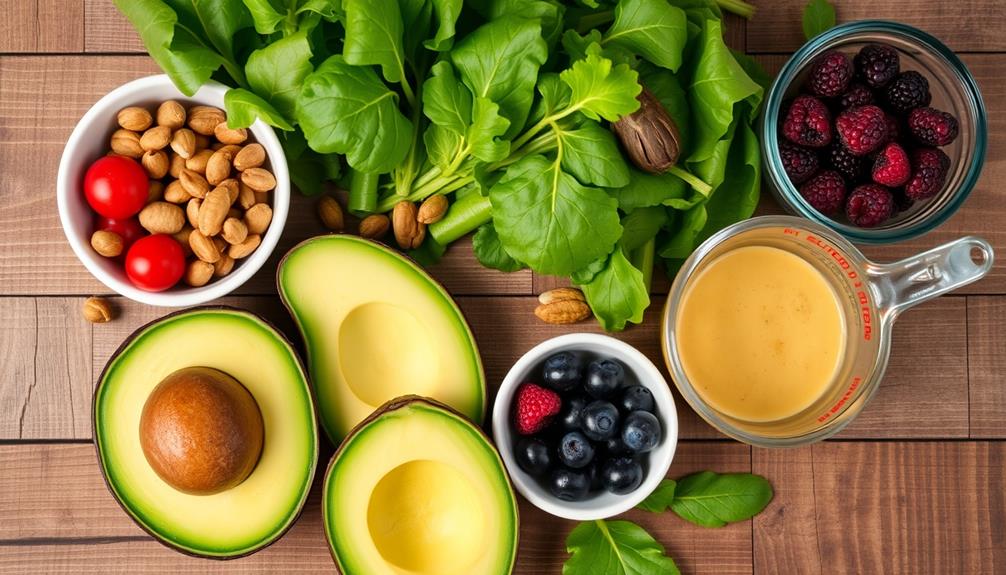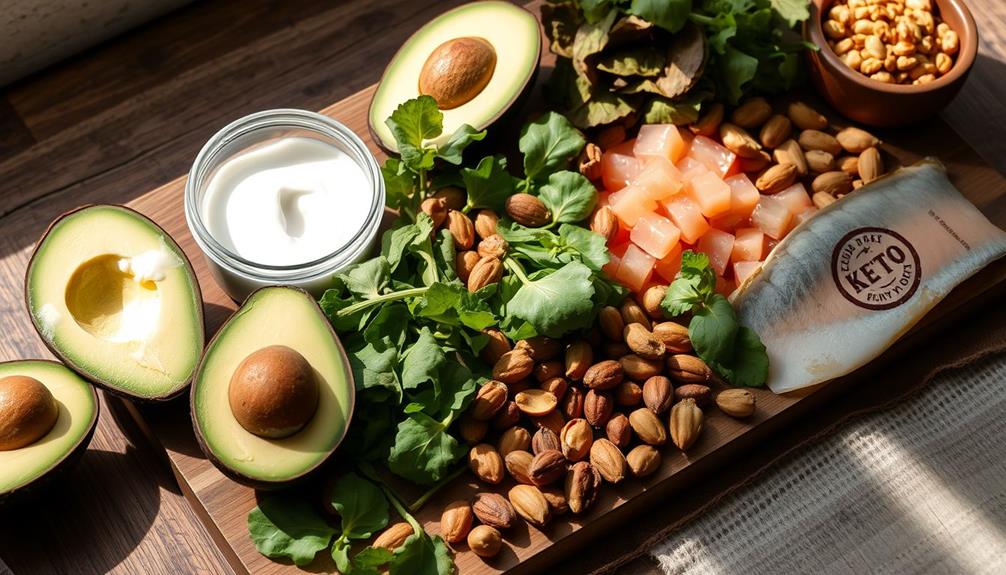
On a keto diet, protein plays a key role because it has a high thermic effect, meaning your body burns more calories digesting it compared to fats or carbs. About 20-30% of protein calories are used for digestion, which boosts your metabolism and helps preserve muscle. This natural energy expenditure supports weight management and keeps you feeling full longer. If you keep exploring, you’ll discover more about how maximizing protein can enhance your keto results.

Get kitchen staples and gadgets delivered free with Prime
- Fast, free delivery on millions of items
- Prime Video, Amazon Music and more included
- Member-only deals all year
Key Takeaways
- Protein has a higher thermic effect (20-30%) than fats and carbs, increasing calorie burn during digestion on keto.
- Consuming adequate protein boosts metabolic rate and supports muscle preservation while maintaining ketosis.
- The increased energy required to digest protein enhances overall energy expenditure and weight management.
- Protein’s higher TEF promotes satiety, helping reduce overeating and improve adherence to a keto diet.
- Maximizing protein intake leverages natural digestive energy, supporting metabolic health and effective calorie utilization.
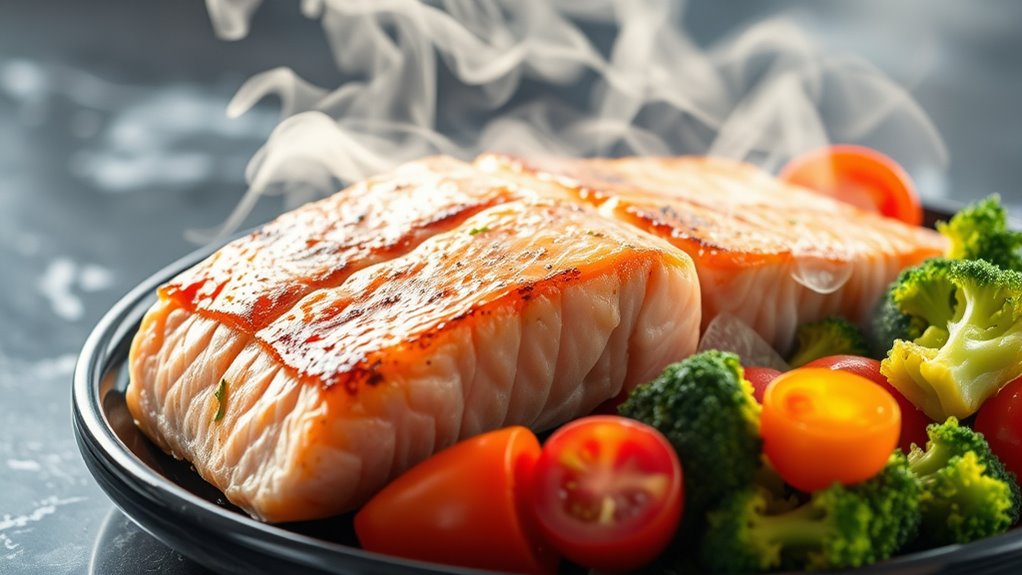
The thermic effect of food (TEF) refers to the energy your body uses to digest, absorb, and process the nutrients from what you eat. This process isn’t just about fueling your body; it also influences your metabolic rate—the total number of calories your body burns in a day. When you consume different types of nutrients, your body reacts differently, and the amount of digestive energy required varies. Protein, for example, demands more energy to break down than fats or carbohydrates, which means it boosts your TEF more profoundly.
Understanding how TEF impacts your metabolic rate is vital, especially on a keto diet. As you restrict carbs and focus on high-fat, moderate-protein intake, you might think your overall calorie burn decreases. However, protein’s higher thermic effect can help counteract that, because your body spends more energy processing it. This increased digestive energy means that consuming adequate protein can slightly elevate your metabolic rate, helping you burn more calories even at rest. It’s one reason why protein is often emphasized in keto, not just for muscle preservation but also for its role in boosting your energy expenditure.
When you eat protein, your body needs to work harder to break down amino acids, synthesize new proteins, and dispose of nitrogen waste. This process consumes more energy than digesting fats or carbs, which are more easily absorbed. As a result, your body expends roughly 20-30% of the calories from protein just for digestion, compared to about 5-10% for fats and 5-15% for carbs. This means that a higher protein intake on keto can lead to a slightly higher overall metabolic rate, even during fasting or rest periods.
Moreover, the increased digestive energy involved with protein can help with satiety, making it easier to stick to your keto plan. Since protein requires more effort from your body, you tend to feel fuller longer, reducing overeating and supporting weight management. This effect, combined with its influence on metabolic rate, makes protein an essential component of keto nutrition. It’s not just about muscle maintenance or repairing tissues; it’s also about leveraging the body’s natural energy expenditure to support your goals. Additionally, vetted sources indicate that a balanced intake of macronutrients is crucial for optimizing TEF and overall metabolic health.
As an affiliate, we earn on qualifying purchases.
Frequently Asked Questions
How Does Protein Intake Influence Overall Calorie Expenditure on Keto?
Your protein intake directly boosts your overall calorie expenditure on keto because protein digestion requires more energy, increasing your calorie burn. When you eat protein, your body works harder to break it down, which elevates your metabolic rate. This thermic effect of food helps you burn more calories, supporting fat loss and maintaining muscle, making high-protein foods especially beneficial for keto practitioners aiming to optimize their calorie expenditure.
Can the Thermic Effect Vary Between Different Sources of Protein?
Yes, the thermic effect can vary between different sources of protein. High-quality proteins with a complete amino acid profile, like eggs or whey, typically have a higher thermic effect because your body works harder to digest and process them. Conversely, proteins with lower quality or incomplete amino acid profiles may have a slightly lower thermic effect, making the source you choose important for maximizing calorie expenditure on keto.
Does Exercise Impact the Thermic Effect of Food During Keto?
Think of your body as a fire; exercise acts like adding wood to boost the flames. It amplifies your metabolic rate, making your body burn calories more efficiently. This increased activity impacts the thermic effect of food during keto, elevating energy expenditure after meals. So, when you exercise, you’re not just burning calories directly but also enhancing how your body processes and utilizes nutrients, including protein.
How Quickly Does the Thermic Effect of Food Influence Metabolism?
The thermic effect of food can boost your metabolic rate within hours after eating, especially when consuming high-protein meals on keto. Digestion speed varies based on food type, so protein takes longer to digest, keeping your metabolism elevated longer. You might notice a quick spike in metabolism shortly after meals, but sustained effects depend on meal composition and how your body processes nutrients.
Are There Any Risks Associated With High Protein Consumption on Keto?
You might face risks with high protein intake on keto, especially if you have existing kidney issues. Excessive protein can strain your kidneys, potentially leading to kidney health problems or protein toxicity. It’s important to balance your protein consumption and consult a healthcare professional if you have concerns or pre-existing conditions. Moderation guarantees you gain keto benefits without risking your overall health.
As an affiliate, we earn on qualifying purchases.
Conclusion
Remember, the thermic effect of food can boost your metabolism considerably—up to 30% of the calories you consume, especially with high-protein meals. On a keto diet, this means your body burns more calories just by digesting and processing food. So, next time you enjoy a protein-rich meal, know you’re giving your metabolism a powerful boost. It’s a simple, tasty way to support your weight loss goals without extra effort.
metabolism boosting protein bars
As an affiliate, we earn on qualifying purchases.
As an affiliate, we earn on qualifying purchases.
keto diet muscle preservation supplements
As an affiliate, we earn on qualifying purchases.
As an affiliate, we earn on qualifying purchases.
Halloween Picks
halloween
As an affiliate, we earn on qualifying purchases.