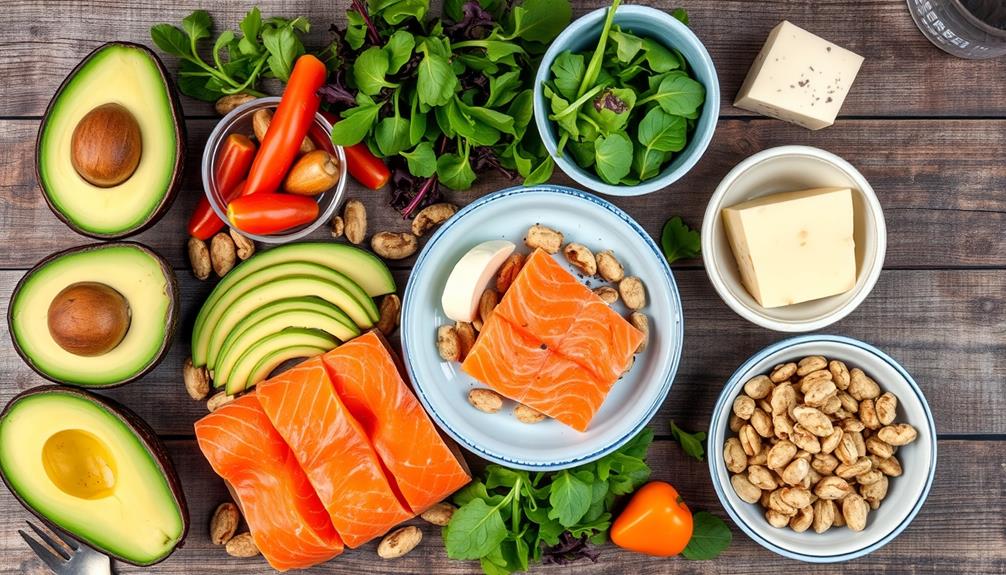
If you struggle with insulin resistance, switching to a ketogenic diet can help improve your metabolic health by promoting fat adaptation. This shift encourages your body to burn fat instead of carbs, which boosts insulin sensitivity and stabilizes blood sugar levels. As your cells respond better to insulin, you’ll likely experience fewer cravings and better overall energy. Keep exploring to discover more about how keto can support your journey to better health.
Key Takeaways
- The ketogenic diet promotes fat adaptation, enhancing insulin sensitivity and reducing blood sugar spikes.
- Switching to fat for energy decreases reliance on glucose, alleviating insulin resistance.
- Ketones provide an alternative fuel, helping stabilize blood sugar and lower insulin levels.
- Improved insulin sensitivity from keto supports better metabolic health and weight management.
- Long-term keto adherence can break insulin resistance cycles, reducing risk of type 2 diabetes.

Insulin resistance occurs when your body’s cells stop responding effectively to insulin, making it harder to regulate blood sugar levels. When this happens, glucose builds up in your bloodstream instead of entering your cells for energy, leading to higher blood sugar and insulin levels. This disruption can cause a cascade of health issues, including increased fat storage, inflammation, and a higher risk of type 2 diabetes. Understanding how your body manages blood sugar regulation is vital, especially if you’re exploring the ketogenic diet as a way to improve your metabolic health. The keto approach encourages your body to shift from relying on carbohydrates for energy to burning fat, a process known as fat adaptation. As your body becomes more efficient at using fat for fuel, it also impacts how effectively your blood sugar is controlled.
When you reduce carbohydrate intake and increase healthy fats, your body starts to produce ketones, which serve as an alternative energy source. This shift not only helps stabilize blood sugar levels but also enhances your ability to burn stored fat. As a result, your body becomes more adept at managing fluctuations in blood sugar, reducing the spikes and crashes that often accompany insulin resistance. Over time, this improved fat adaptation can lead to better blood sugar regulation because your cells become more sensitive to insulin, reversing some of the effects of resistance. In fact, when you’re fat-adapted, your body’s cells respond more readily to insulin, allowing glucose to enter cells more efficiently and maintaining steady blood sugar levels.
Moreover, as your body adapts to burning fat instead of carbs, you often experience increased satiety and fewer cravings, which further supports stable blood sugar. This metabolic shift can also reduce insulin levels, giving your pancreas a break and improving overall insulin sensitivity. This cycle of improved blood sugar regulation and fat adaptation can help break the vicious cycle of insulin resistance, making it easier to maintain a healthy weight and avoid related health complications.
Frequently Asked Questions
Can Keto Help Reverse Insulin Resistance Permanently?
Yes, keto can help reverse insulin resistance permanently. The ketogenic benefits include stabilizing your insulin response, which reduces blood sugar spikes. When you follow a keto diet, your body becomes more efficient at using fat for energy, lowering insulin levels over time. Consistent adherence can lead to sustained metabolic improvements, helping you regain better insulin sensitivity and potentially reversing insulin resistance long-term.
Are There Risks of Ketosis for Insulin-Resistant Individuals?
Imagine walking a tightrope, where ketosis myths might make you stumble. For insulin-resistant individuals, ketosis can pose risks like hypoglycemia or increased stress on the liver. While some believe ketosis is safe, careful insulin monitoring is essential. You need to understand that ketosis isn’t risk-free; it requires proper guidance. Always consult your healthcare provider to weigh potential dangers, ensuring you stay balanced on your health journey.
How Quickly Can Keto Improve Insulin Sensitivity?
You can see improvements in insulin sensitivity within a few weeks of adopting a ketogenic diet, especially with consistent ketogenic exercise. As your body adapts, your insulin response becomes more efficient, helping lower blood sugar levels. Keep in mind, individual results vary, but maintaining low-carb, nutrient-dense foods and regular activity accelerates your progress. Stay patient and committed for the best long-term metabolic health benefits.
Should Insulin Doses Be Adjusted on a Keto Diet?
Imagine your insulin dose as a key fitting a lock; on a keto diet, the lock changes shape. You should adjust your insulin dose accordingly, as keto can lower your blood sugar levels and increase insulin sensitivity. Consult your healthcare provider for personalized keto adjustment plans, and always monitor your blood glucose closely, because your needs may shift as your body adapts to this new metabolic state.
Is Keto Safe for People With Advanced Diabetes?
Keto can be safe for people with advanced diabetes if managed carefully. It helps stabilize blood sugar levels and promotes fat metabolism, which may improve overall health. However, you should consult your healthcare provider before starting, as your medication needs may change. Monitoring blood sugar frequently is essential to avoid hypoglycemia, and adjustments to insulin or other meds might be necessary to guarantee safety on this diet.
Conclusion
Imagine your body as a finely tuned engine, where insulin resistance is like a stubborn clog in the fuel line. Embracing keto can be your fuel filter, clearing out the blockage and allowing your metabolic engine to run smoothly. By making these changes, you’re not just improving numbers—you’re reigniting your energy, shedding the fog, and fueling a healthier, more vibrant you. Take control now and watch your health transform like a sunrise breaking through the clouds.