
Ketosis is a safe, natural metabolic state where your body burns fat for energy, often achieved through fasting or low-carb diets, with blood sugar levels remaining stable or low. In contrast, ketoacidosis is a dangerous condition mostly affecting people with uncontrolled diabetes, where excessive ketone production causes blood acidity and notably high blood sugar levels. Understanding these differences is essential for your health; exploring further will help you grasp how to stay safe.
Key Takeaways
- Ketosis is a safe, controlled metabolic state from fat burning, while ketoacidosis is an dangerous, uncontrolled condition often linked to diabetes.
- In ketosis, blood sugar remains low or stable; in ketoacidosis, blood sugar levels are typically very high.
- Ketosis involves moderate ketone production for energy; ketoacidosis causes excessive ketones leading to blood acidity.
- Ketosis supports health benefits like weight loss and mental clarity; ketoacidosis can cause dehydration, organ failure, and is life-threatening.
- Maintaining proper insulin and blood sugar levels prevents ketoacidosis, ensuring ketosis stays safe and controlled.

Understanding the difference between ketosis and ketoacidosis is vital, especially if you’re managing your diet or health. Both conditions involve the body’s use of fats for energy, but they occur in very different contexts and have vastly different implications. To grasp these differences, you need to understand the underlying metabolic pathways involved and how they influence blood sugar levels.
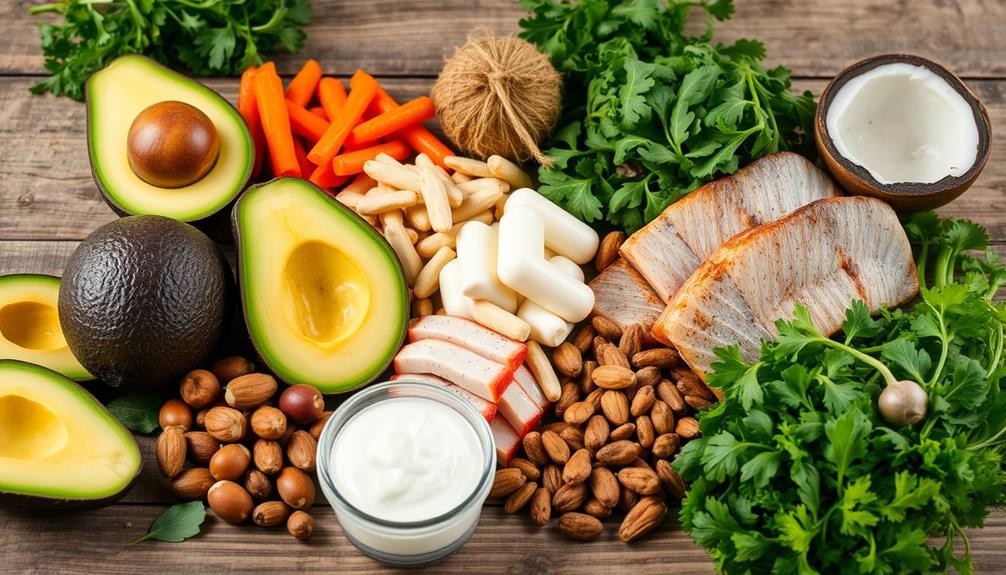
Ketosis is a natural metabolic state that occurs when your body shifts from using glucose as its primary fuel to burning fat. During ketosis, your liver converts fatty acids into ketone bodies, which then serve as an alternative energy source. This process is a normal response to fasting, low carbohydrate intake, or ketogenic diets. When you limit carbs, your blood sugar levels drop, signaling your body to produce ketones for energy. This switch to fat metabolism is safe and controlled, helping you lose weight, improve mental clarity, and maintain steady blood sugar levels. It’s a finely tuned process that your body manages efficiently, provided your carbohydrate intake remains moderate and consistent.
Ketosis is a safe, natural state where your body burns fat for energy during fasting or low-carb diets.
In contrast, ketoacidosis is a dangerous and abnormal condition that mainly affects people with type 1 diabetes or insulin deficiency. Here, metabolic pathways go awry, causing an uncontrolled surge in ketone production. Because insulin is lacking or ineffective, blood sugar levels rise dramatically, and the body responds by producing even more ketones. This leads to the blood becoming overly acidic, which can cause severe dehydration, electrolyte imbalances, and organ failure if not treated promptly. Unlike ketosis, ketoacidosis isn’t a controlled process; it’s a medical emergency that requires immediate intervention. The key difference lies in the regulation: ketosis is a balanced, physiological process, whereas ketoacidosis reflects a breakdown in normal metabolic control.
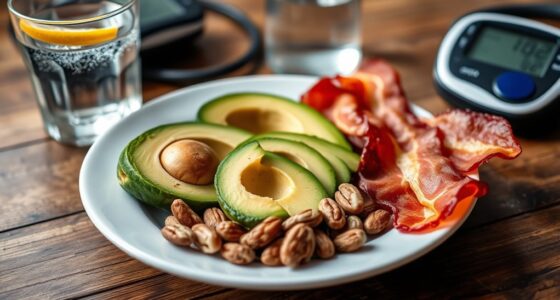
Understanding how blood sugar levels are involved helps clarify the distinction. In ketosis, blood sugar levels tend to be low or stable, because carbohydrate intake is restricted and insulin production is sufficient to prevent excessive glucose buildup. Meanwhile, in ketoacidosis, blood sugar levels are usually very high, creating a dangerous imbalance that can quickly become life-threatening. Recognizing these differences is essential, especially if you’re following a ketogenic diet or managing diabetes. While ketosis is a safe, intentional state used for health benefits, ketoacidosis is an emergency situation rooted in metabolic failure. Keeping an eye on your blood sugar levels and understanding your body’s responses ensures you stay within healthy boundaries and avoid the risks associated with ketoacidosis. Resources and tools can help monitor your health and blood sugar levels effectively.
Top picks for "ketosi ketoacidosi understand"
Open Amazon search results for this keyword.
As an affiliate, we earn on qualifying purchases.
Frequently Asked Questions
Can Ketosis Be Safely Achieved Without Medical Supervision?
You can safely achieve ketosis without medical supervision if you monitor your blood glucose levels and use dietary supplements wisely. Focus on a low-carb, high-fat diet, and stay aware of how your body responds. However, it’s essential to consult a healthcare professional if you experience symptoms like excessive fatigue or dizziness. Regularly checking blood glucose helps make certain you stay within safe ketosis levels, reducing risks associated with improper dietary changes.
How Long Does It Typically Take to Enter Ketosis?
You typically enter ketosis within 2 to 4 days, as your body shifts through metabolic pathways to burn fat for fuel. This process, known as fat adaptation, varies based on factors like carbohydrate intake, activity level, and metabolism. While some people might reach ketosis sooner, consistent low-carb eating accelerates this progression. Trust the science—your body’s remarkable ability to adapt makes this a manageable and natural process.
Are There Specific Foods to Avoid During Ketosis?
During ketosis, you should avoid high-carb foods like sugars, grains, and starchy vegetables because they can prevent ketosis triggers. Stick to low carb foods such as leafy greens, healthy fats, and protein sources. These help maintain your ketosis state. Avoid processed snacks and sugary drinks, which spike insulin and hinder fat burning. By steering clear of these foods, you keep your body in ketosis and support your health goals.
What Are Early Signs of Ketoacidosis?
Think of ketoacidosis as a warning siren blaring in your body. Early signs include rapid breathing, dry mouth, and confusion, much like your body’s alarm bells. You might notice diabetic symptoms like extreme thirst and blurred vision. Keep an eye on your blood sugar levels, as dangerously high readings can signal trouble. If these symptoms appear, seek medical help immediately — don’t let your body drown in chaos.
Can Ketosis Cause Weight Loss if Not Managed Properly?
Yes, if not managed properly, ketosis can cause weight loss because it promotes a metabolic process that enhances fat burning. When your body enters ketosis, it starts using stored fat for energy, leading to weight reduction. However, if you don’t monitor your intake, it might result in excessive fat loss or nutritional imbalances. Keep track of your diet and consult a professional to stay within healthy limits while benefiting from ketosis.
Conclusion
So, next time you hear about ketosis or ketoacidosis, remember they’re worlds apart—like a simple diet tweak versus a serious medical emergency. It’s funny how a small change in your body’s state can make all the difference, isn’t it? Stay informed and listen to your body; understanding these differences helps you stay safe on your health journey. After all, knowledge is your best tool for steering the fascinating balance inside you.