TL;DR

Get kitchen staples and gadgets delivered free with Prime
- Fast, free delivery on millions of items
- Prime Video, Amazon Music and more included
- Member-only deals all year
A Good Housekeeping report recommends eight fall and early-winter foods for Mediterranean-style meals: butternut squash, lentils, pears, kale, citrus, walnuts, olive oil and pomegranate. The suggestions are practical seasonal meal ideas, not a new clinical study or evidence that any one food prevents or treats disease.
Good Housekeeping has published a fall food guide recommending eight seasonal ingredients for Mediterranean-style plates, including butternut squash, lentils, pears, kale, citrus, walnuts, olive oil and pomegranate. The report offers ways to use them in soups, salads and other meals; it is a food and nutrition feature, not a new clinical study establishing that the foods prevent or treat disease.
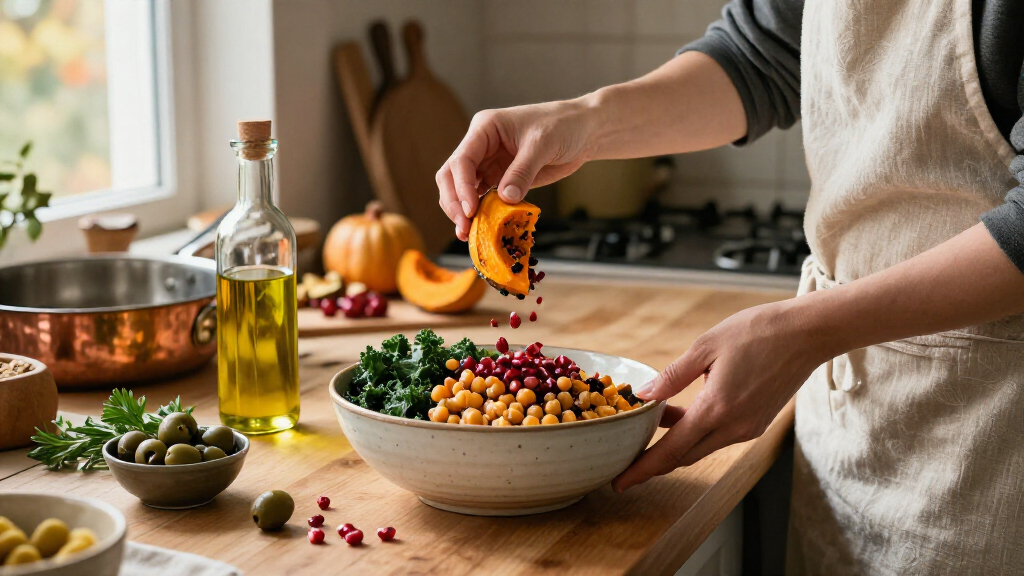
The list brings together produce, legumes, nuts and a cooking oil rather than presenting a meal plan. The report suggests roasting squash with olive oil and herbs, stirring it into soups or pasta, and using lentils in stews, salads or dishes with roasted root vegetables. It describes lentils as a source of plant-based protein, fiber and iron, making them a substantial ingredient for colder-weather meals.
For produce, the guide pairs pears and kale with savory ingredients as well as sweet ones. Pears can be eaten fresh, baked with cinnamon and honey, or sliced into a salad with walnuts and feta. Kale can be massaged with olive oil and lemon to soften it for salads, or added to soups and stews. The report also recommends lemons and oranges to add brightness to dishes such as lentil, kale and orzo stew.
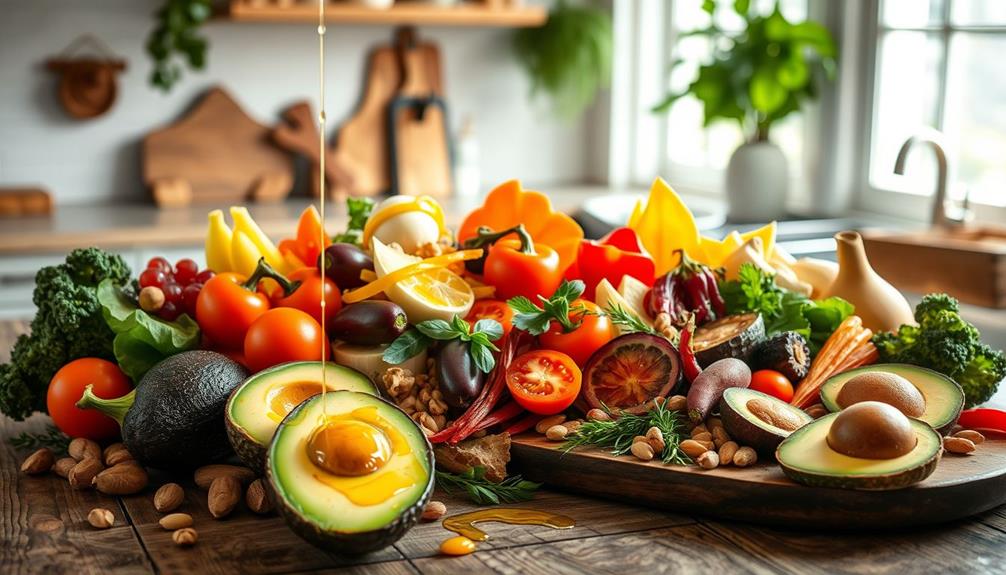
Walnuts, olive oil and pomegranate round out the suggestions. Walnuts can be added to oatmeal, yogurt or salads; olive oil can be used for sautéing, dressings or as a finishing drizzle; and pomegranate arils can top grain bowls, roasted vegetables, yogurt or hummus. The article presents these as flexible ways to bring seasonal ingredients into everyday meals, rather than as required foods or a prescribed diet.
Seasonal Foods, Flexible Meals
The guide gives readers concrete ways to adapt Mediterranean-style cooking to fall produce and cooler-weather dishes. Its suggestions combine familiar seasonal items with legumes, nuts and olive oil, allowing a cook to add them to meals already on the menu rather than follow a rigid list of recipes.
The health language needs to be read with care. The report describes nutrients in foods and refers to research associations or potential benefits, but those descriptions do not establish that eating a particular ingredient will prevent, manage or cure a disease. The practical takeaway is the range of ways to use these ingredients; individual health effects depend on the broader diet and other factors.
Products Worth Considering
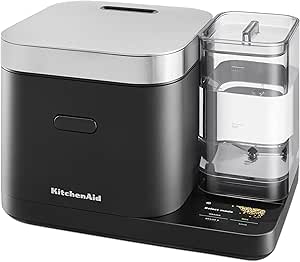
KitchenAid 8-Cup Grain and Rice Cooker with Integrated Scale, Black Matte

Weber Searwood XL 600 Wood Pellet Smoker Grill, 36 inches, Black

Instant Pot Vortex Plus 6-Quart 6-in-1 Air Fryer
As an affiliate, we earn on qualifying purchases.
How the Fall List Is Framed
The source is Good Housekeeping’s seasonal food report, which frames the eight ingredients as additions to a Mediterranean-style pattern. It emphasizes plant foods and cooking ideas: legumes in soups and salads, vegetables and fruit in seasonal combinations, nuts for texture, and olive oil for cooking or dressing.
The timing varies by ingredient. The report says November marks the beginning of citrus season and places pomegranates in late fall and early winter. It describes kale as suited to cooler weather and pears as a fall fruit. These are seasonal cues in the article, not a claim that every item is available locally at the same time; availability can vary by region and supply.
“Fall is the perfect time to enjoy butternut squash, a fantastic addition to the Mediterranean diet.”
— Stuart, as quoted in Good Housekeeping
Limits of the Health Claims
The source material does not identify a new study, clinical trial or specific evidence review behind this seasonal list. It refers to possible or associated health effects for some foods, including pears, citrus, lentils, walnuts and olive oil, but does not provide study details, effect sizes or a basis for judging how strong those findings are.
Accordingly, the recommendations should not be read as treatment advice or proof that a food will reduce an individual’s disease risk. The report also does not set serving sizes, compare the foods with alternatives, or specify which items may be unsuitable for a reader’s medical needs, allergies or dietary restrictions.
Putting the Suggestions Into Practice
The report’s next step for readers is practical: choose seasonal ingredients and work them into meals in ways that suit personal tastes and needs. A warm lentil and roasted-root-vegetable salad, kale with lemon, or squash finished with olive oil are examples drawn from its suggestions. The guide also points to recipe ideas, including roasted pear and beet-and-orange dishes.
Readers seeking medical nutrition guidance should consult a qualified health professional rather than use the food list as a substitute for care. The source provides no follow-up study or upcoming evidence milestone; whether specific health effects apply to an individual remains outside the scope of this seasonal report.
Key Questions
Which fall foods does the report recommend?
It lists butternut squash, lentils, pears, kale, lemons and oranges, walnuts, olive oil, and pomegranate as ingredients for Mediterranean-style meals.
Is this a new nutrition study?
No. The source is a Good Housekeeping seasonal food guide with ingredient suggestions and cooking ideas, not a newly reported clinical study.
How can these foods be used in meals?
The report suggests adding lentils to soups or salads, using kale in stews or salads, pairing pears with walnuts, dressing dishes with olive oil and lemon, and sprinkling pomegranate arils over vegetables or grain bowls.
Does the list show that these foods prevent disease?
No. The article mentions nutrients and possible or associated health benefits, but the supplied material does not establish that eating any one food prevents or treats disease.
Source: goodhousekeeping.com