
TL;DR

Get kitchen staples and gadgets delivered free with Prime
- Fast, free delivery on millions of items
- Prime Video, Amazon Music and more included
- Member-only deals all year
A Good Housekeeping report identifies five kitchen design directions for 2027: darker colors, layered materials, durable materials and products, technology integrated into cooking, and treating the kitchen as a starting point for the wider home. The trends are based on comments from design experts, not measured industry sales or a formal forecast, so how widely they will take hold remains uncertain.
A Good Housekeeping report has outlined five kitchen design directions expected to gain traction in 2027, based on interviews with designers: bolder colors, layered finishes, longer-lasting materials, integrated cooking technology and planning the kitchen as a central part of the home. The report describes expert expectations and client requests; it does not provide market data showing how common the changes are.
The first two trends concern how kitchens look and work. Designers interviewed by Good Housekeeping described a move away from stark white interiors toward darker, more distinctive palettes, alongside rooms that combine finishes rather than matching every cabinet and surface. Examples include warm wood, stone and metal, as well as built-in cutting boards and workstation sinks designed for regular use.
The report also describes a “futureproofing” approach: homeowners are said to be considering authentic materials, skilled craftsmanship and high-performing appliances with the intention that they remain useful and appealing as needs change. Natural stone and wood may develop a patina over time, but the report does not establish that these choices always last longer or cost less over a kitchen’s lifetime. The initial investment can be higher, according to the article.
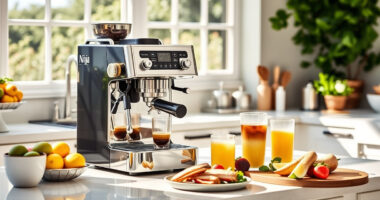
Two other directions focus on technology and the kitchen’s place in the floor plan. Examples of cooking-focused technology include ovens with interior cameras, guided or automated recipes, and combination steam and speed ovens. Meanwhile, designers say kitchens are increasingly being considered early in home planning, with materials, circulation, views and nearby rooms designed together rather than treating the kitchen as a separate zone.
How the Kitchen Shapes Home Design
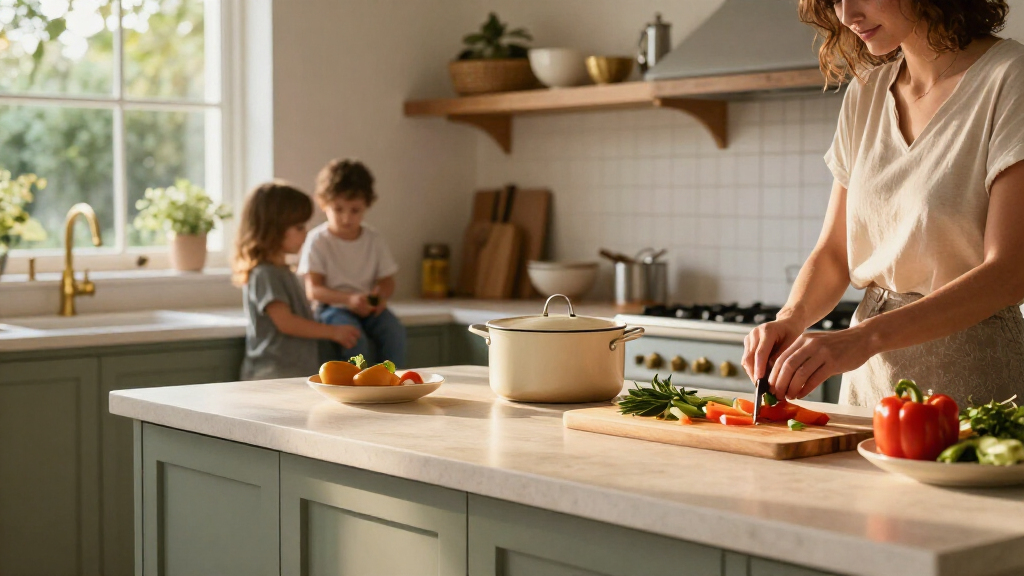
Taken together, the five directions point to kitchens being planned as both working spaces and social areas. A layered room with practical features can support cooking while also reflecting the homeowner’s taste. Planning the kitchen alongside adjoining spaces may also affect decisions about sightlines, movement through an open-plan home and the materials used in neighboring rooms.
The reported interest in long-lasting materials and integrated appliances has practical implications for renovation budgets. Upfront cost, maintenance and changing needs all matter when choosing finishes or equipment intended to stay in place for years. The article presents futureproofing as a design priority, not as a guarantee that a particular material or product will remain fashionable, perform reliably or prove less expensive over time.
Cooking technology could change how some home cooks follow recipes or use particular techniques, but the source does not compare product performance or show how many households are adopting these appliances. The clearest takeaway is a design ambition: make technology useful without allowing it to dominate the room’s appearance.
Products Worth Considering

Breville Smart Grinder Pro Conical Burr Coffee Grinder, Brushed Stainless Steel

Ninja Crispi Glass Air Fryer (Stone) – 4‑in‑1

Le Creuset Signature Enameled Cast Iron Round Dutch Oven, 5.5 qt, Deep Teal
As an affiliate, we earn on qualifying purchases.
From White Kitchens to Whole-Home Planning
The report frames the trends as a response to two familiar expectations of a kitchen: it should function well for everyday cooking and feel comfortable for gathering or entertaining. In comments to Good Housekeeping, Kristin Harrison, founder of Georgia & Hunt Design House, described a change in what clients regard as a neutral palette. The article links that shift to growing interest in more customized-looking rooms, though it supplies no survey or sales figures to measure the change.
Its comments about layered finishes and chef-oriented features came from Leyden Lewis, founder of Leyden Lewis Design Studio. The futureproofing and whole-home planning themes were discussed by Mick De Giulio, founder of de Giulio Design. These views offer examples of what the designers are seeing in their work; they should not be read as proof that all homeowners or builders are following the same direction.
“The safe bet has always been white or cream, but there is a yearning for something that looks much more customized now.”
— Kristin Harrison, founder of Georgia & Hunt Design House, quoted by Good Housekeeping
How Widely Will These Trends Spread?
The report does not specify how many homeowners or designers are choosing these features, nor does it cite survey results, sales data or a comparison with earlier years. Its claims reflect interviews with three design professionals and their accounts of client interests. The phrase “taking hold” is therefore a trend description, not a quantified measure of adoption.
It is also unclear which options will suit different budgets, homes and cooking habits. Darker palettes, natural materials and specialized appliances can vary in cost and care requirements; the source provides no product-by-product comparisons or long-term performance evidence. And while the article points to technology such as camera-equipped ovens, it does not identify specific models, prices, availability or independent tests of their features.
What Homeowners Can Watch For
As 2027 approaches, homeowners planning a renovation can compare these ideas with their own cooking routines, budget and floor plan, rather than treating the list as a checklist. For materials and appliances, useful next steps include checking care instructions, warranty terms, installation requirements and expected operating costs with suppliers or qualified professionals.
The report does not name a next research release or predict when any one direction will become standard. Its five themes should be treated as designer-reported expectations until broader market data or further reporting shows how adoption develops. Readers considering a project can also watch for how manufacturers and designers present integrated cooking features and durable materials in upcoming product and renovation plans.
Key Questions
What are the five kitchen design trends identified for 2027?
The Good Housekeeping report lists darker color palettes, layered finishes, futureproofing, integrated cooking technology and planning the kitchen as a starting point for the wider home.
Are white kitchens disappearing?
The report’s designers describe interest shifting toward more customized and moodier palettes. It does not provide data showing that white kitchens are disappearing or quantify how many homeowners are changing colors.
What does “futureproofing” mean in the report?
It refers to choosing durable materials, craftsmanship and high-performing appliances intended to remain useful as lifestyles change. The report notes that this approach may require more money upfront and does not guarantee lower lifetime costs.
What kitchen technology does the report mention?
Examples include ovens with interior cameras, guided or automated recipes, and combination steam and speed ovens. The article does not provide model names, prices or independent performance comparisons.
Is this a measured forecast of the kitchen industry?
No. It is a trend report based on interviews with design experts. It does not cite market statistics or survey results that establish how widely the described choices are being adopted.
Source: goodhousekeeping.com