TL;DR
Prime for Young Adults — start your free trial
Fast free delivery, streaming and member deals for eligible 18–24 year olds.
Try it freeAs an affiliate, we earn on qualifying purchases.
Pasta alla Norma is a traditional Sicilian dish from Catania featuring pasta, tomato sauce, fried eggplant, basil, and ricotta salata. This article provides a detailed, step-by-step guide to preparing the dish authentically, including ingredient selection and cooking techniques.
Pasta alla Norma is a celebrated Sicilian dish from Catania, renowned for its harmonious combination of pasta, bright tomato sauce, golden fried eggplant, fresh basil, and salty ricotta salata. This article confirms that the traditional preparation involves frying eggplant until silky and bronzed, then combining it with a well-timed tomato sauce and pasta, finishing with cheese and basil. The dish remains a culinary emblem of Catania and Sicily at large, celebrated for its balance of flavors and simplicity. For more on traditional Sicilian dishes, see the original analysis.
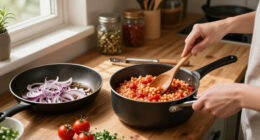
Traditional Pasta alla Norma uses firm eggplant, ripe tomatoes, and high-quality ricotta salata. The eggplant is typically sliced into cubes, salted, and fried until bronzed and silky, though roasting or air-frying are viable lighter alternatives. The tomato sauce is made from fresh or canned tomatoes, crushed by hand to retain texture, then simmered with garlic and olive oil to develop brightness. Pasta, usually rigatoni or similar shapes, is cooked al dente and finished in the sauce to absorb flavors. Basil is added at the end for aroma, and ricotta salata is grated over the dish just before serving, providing a salty, crumbly contrast.
Confirmed ingredient proportions for four servings include 12 ounces of pasta, 1½ pounds of eggplant, 28 ounces of tomatoes, 3 ounces of ricotta salata, garlic, and basil. Eggplants should be heavy with glossy skin; salting is optional depending on bitterness. Using canned whole peeled tomatoes is common when fresh are out of season. Ricotta salata is a dry, aged cheese that adds saltiness, and substitutes like Pecorino Romano can be used sparingly. The dish is meatless but contains dairy and wheat allergens in traditional form, with gluten-free pasta as an alternative.
Cultural and Culinary Significance of Pasta alla Norma
Pasta alla Norma is more than a recipe; it is a symbol of Sicilian identity, especially linked to Catania. Its name is associated with local pride and a story connecting it to composer Vincenzo Bellini’s opera Norma, symbolizing excellence and artistry. The dish’s popularity extends beyond Sicily, representing authentic Italian cuisine that emphasizes fresh, simple ingredients and balanced flavors. Its preparation techniques, such as frying eggplant to achieve a silky texture, reflect traditional methods that highlight regional produce and culinary heritage. For many, making Pasta alla Norma is a way to connect with Sicilian culture and its rich history of flavorful, straightforward cooking.
As an affiliate, we earn on qualifying purchases.
Origins and Evolution of Pasta alla Norma
The dish’s roots trace back to Catania, Sicily, where summer markets overflow with glossy eggplants and ripe tomatoes. The name Pasta alla Norma is believed to have originated in the early 20th century, with local stories attributing its naming to writer Nino Martoglio or to the opera composer Vincenzo Bellini, who was born in Catania. The story goes that the dish was so exceptional that it was likened to Bellini’s masterpiece; however, this attribution remains anecdotal rather than documented. Traditionally, the dish features simple ingredients—pasta, eggplant, tomato, basil, and ricotta salata—highlighting regional freshness and flavor. Over time, variations have emerged, including roasting or air-frying eggplant for a lighter version, but the core elements remain consistent, embodying Sicilian culinary principles of simplicity and quality.
“Pasta alla Norma is a classic Sicilian dish made with pasta, bright tomato sauce, golden eggplant, basil, olive oil, and ricotta salata. Frying produces the traditional silky eggplant, but roasting and air-frying work when you want a lighter approach.”
— Mad Tasting
As an affiliate, we earn on qualifying purchases.
Unconfirmed Aspects of the Dish’s History and Variations
While the ingredients and preparation techniques are well-documented, the exact origin of the name Pasta alla Norma remains anecdotal, with no definitive historical record linking it directly to the opera or Nino Martoglio. Variations in preparation, such as roasting or air-frying eggplant, are increasingly popular but lack standardization, and their authenticity as traditional methods is still debated among purists. Additionally, some regional differences in ingredient proportions and presentation exist, but comprehensive documentation is limited. It is also unclear how recent these variations are or how widely they are accepted in Sicily.
As an affiliate, we earn on qualifying purchases.
Future Developments and Regional Variations
Expect continued experimentation with lighter cooking techniques like roasting and air-frying, especially as interest in health-conscious versions grows. Culinary experts and home cooks may develop new variations that adapt the dish for different dietary needs, such as gluten-free or vegan options. Regional differences in ingredient sourcing and presentation are likely to persist, reflecting local produce and traditions. As interest in Sicilian cuisine spreads globally, more authentic and innovative takes on Pasta alla Norma are expected to emerge, possibly leading to new interpretations that honor tradition while embracing modern tastes.
As an affiliate, we earn on qualifying purchases.
Key Questions
What is the origin of Pasta alla Norma?
The dish originates from Catania, Sicily, with stories linking its name to the opera Norma by Vincenzo Bellini, and local writers like Nino Martoglio. Its true origins are rooted in regional pride and culinary tradition.
Can I make Pasta alla Norma with roasted eggplant?
Yes. Roasting or air-frying eggplant are popular lighter alternatives that can produce a similar silky texture, though traditional frying remains most authentic.
What type of pasta should I use?
Sturdy shapes like rigatoni, maccheroni, or penne work best, as they hold the sauce and eggplant well. Spaghetti or busiate are also traditional but may be less forgiving with sauce absorption.
Is Pasta alla Norma suitable for vegetarians?
Yes, in its traditional form, it is vegetarian, containing no meat but dairy in the form of ricotta salata. Always check ingredient labels if using pre-made pasta or cheese.
How should I store leftovers?
Store in an airtight container in the refrigerator for up to two days. Reheat gently, preferably in a skillet to preserve texture, and add fresh basil and cheese before serving.
Source: Mad Tasting
NFL season / tailgating Picks
team gear
As an affiliate, we earn on qualifying purchases.