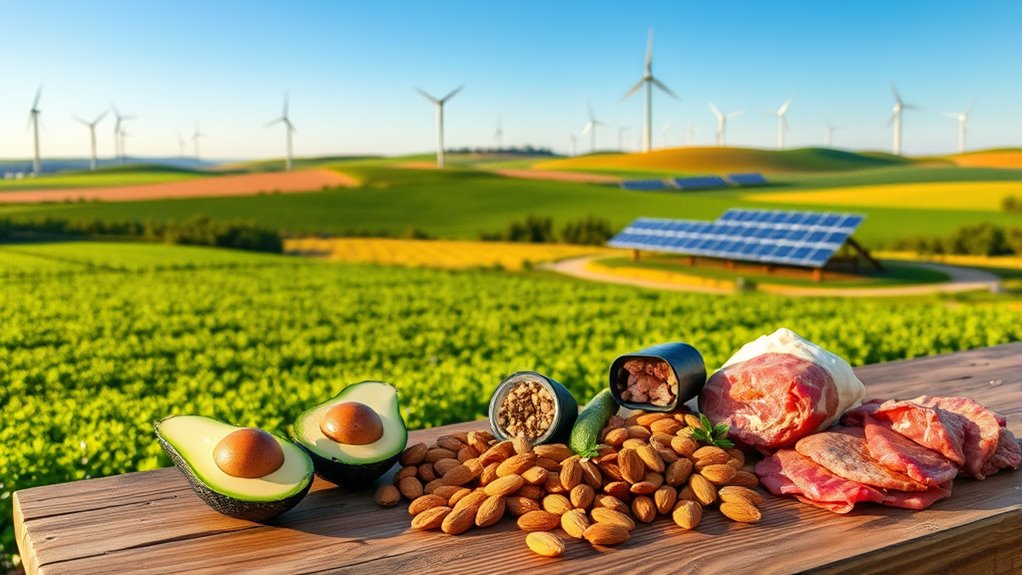

A keto diet’s environmental impact largely depends on your choices around meat, animal products, and energy use. Since raising livestock requires lots of land, water, and energy, high meat consumption can increase greenhouse gases and deforestation. Opting for sustainable sources and plant-based fats reduces your carbon footprint and resource use. If you want to explore healthier options that are kinder to the planet, you’ll find more useful insights below.

Get kitchen staples and gadgets delivered free with Prime
- Fast, free delivery on millions of items
- Prime Video, Amazon Music and more included
- Member-only deals all year
Key Takeaways
- A keto diet’s high reliance on animal fats and meats increases greenhouse gas emissions and land use.
- Producing animal-based keto foods consumes more energy and water compared to plant-based alternatives.
- Reducing meat intake on a keto can lower environmental impact while maintaining dietary goals.
- Choosing sustainably sourced, lower-impact animal products mitigates ecological harm.
- Incorporating more plant-based fats enhances the sustainability of a ketogenic lifestyle.
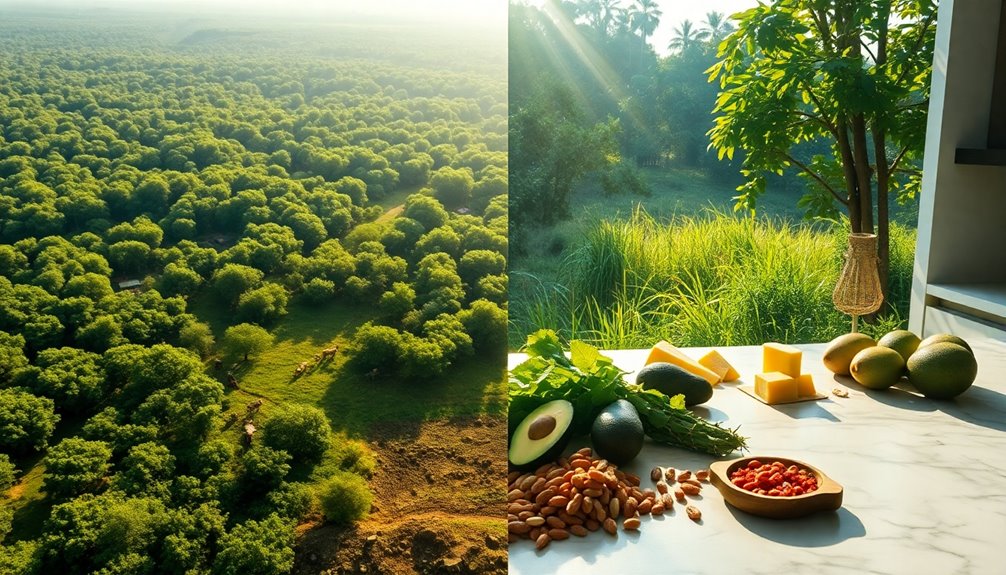
Have you ever wondered how your ketogenic diet affects the environment? When you cut carbs and increase your intake of fats and proteins, especially from animal sources, your choices can have a significant impact. Meat consumption is a major factor to think about because raising livestock requires substantial resources. Cattle, in particular, demand large amounts of feed, water, and land, and they produce methane—a potent greenhouse gas. By consuming more meat, especially red meat, you’re indirectly contributing to higher greenhouse gas emissions. This not only accelerates climate change but also intensifies pressure on land and water resources.
Increasing meat consumption on a keto diet raises environmental concerns due to resource use and greenhouse gas emissions.
Energy use is another critical aspect of the environmental footprint of a keto diet. Producing animal products typically consumes more energy compared to plant-based foods. From feed cultivation to animal husbandry, slaughter, processing, and transportation, each step involves energy expenditure. This cumulative energy use adds to your dietary footprint, especially if the meat you consume is sourced from industrial farms that operate on fossil fuels. Conversely, plant-based fats like avocados, nuts, and seeds generally require less energy to produce, making them more environmentally friendly options.
Your food choices directly influence land use as well. Large-scale meat production often results in deforestation, especially in regions where forests are cleared to create pastureland or grow animal feed. This deforestation diminishes biodiversity, disrupts ecosystems, and releases stored carbon into the atmosphere. As a keto enthusiast, if you’re not mindful of your meat sources, you might unknowingly support these destructive practices. Choosing sustainably sourced meats or reducing overall meat intake can help mitigate this impact.
Additionally, the water footprint tied to meat and high-fat animal products is significant. Producing a kilogram of beef, for instance, can require thousands of liters of water, much more than most plant-based foods. If you’re committed to a keto lifestyle but want to lessen your environmental impact, you might think about incorporating more plant-based fats and proteins, which generally have a lower water and energy footprint. Being aware of the resource intensity of different foods can help you make more sustainable choices.
Furthermore, opting for foods with lower environmental footprints can contribute to a more sustainable diet without sacrificing nutritional needs.
As an affiliate, we earn on qualifying purchases.
Frequently Asked Questions
How Does Keto Affect Agricultural Land Use Globally?
You might wonder how keto impacts agricultural land globally. By focusing on high-fat, low-carb foods like meats and dairy, you could contribute to soil depletion through intensive livestock farming. This shift often reduces crop diversity, as less land is used for grains and vegetables. Consequently, increased land use for animal products can strain ecosystems, diminish soil health, and threaten sustainable farming practices worldwide.
What Are the Long-Term Environmental Effects of Increased Meat Consumption?
You might notice that increased meat consumption raises concerns like meat emissions, which contribute crucially to greenhouse gases, and land degradation from intensive farming. Over time, these effects worsen, damaging ecosystems and reducing land fertility. Your choices can influence this trend; reducing meat intake helps lower emissions and preserves land. Sustainable practices are essential to minimize long-term environmental impacts, ensuring healthier ecosystems for future generations.
Are Plant-Based Keto Diets More Eco-Friendly Than Animal-Based Ones?
You’ll find that plant-based keto diets tend to be more eco-friendly than animal-based ones because they rely on plant protein, which generally requires less land, water, and emits fewer greenhouse gases. By emphasizing dietary diversity, you also support sustainable farming practices and reduce environmental strain. Choosing plant-centered options helps lower your carbon footprint while maintaining your keto goals, making your diet both healthier and more environmentally conscious.
How Does Keto Impact Water Resource Consumption?
You might wonder how keto affects water resources. A ketogenic diet can increase your water footprint because high-fat, low-carb foods like meats and nuts often require more water to produce, leading to resource depletion. By choosing more sustainable protein sources, you can reduce your impact. Being mindful of food choices helps lower water consumption and preserves essential resources for the environment.
Can Keto Promote Sustainable Food Sourcing Practices?
You can promote sustainable food sourcing practices on a keto diet by supporting local food systems, which reduces transportation emissions and supports community farmers. Focusing on diverse crops enhances crop diversity, making food production more resilient and eco-friendly. By choosing locally sourced, diverse foods, you help lower environmental impacts, encourage sustainable agriculture, and align your keto lifestyle with broader efforts to protect the planet.
plant-based keto fats supplements
As an affiliate, we earn on qualifying purchases.
As an affiliate, we earn on qualifying purchases.
Conclusion
Ultimately, adopting a keto diet isn’t a one-size-fits-all solution when it comes to sustainability. While it might seem like a shortcut to health, it’s essential to weigh its environmental toll, which can add up faster than you’d like. Remember, every choice you make is a step on your journey, so don’t put all your eggs in one basket. Striking a balance between health and eco-friendliness is key—you don’t want to bite off more than you can chew.
As an affiliate, we earn on qualifying purchases.
sustainable protein powder for keto
As an affiliate, we earn on qualifying purchases.
As an affiliate, we earn on qualifying purchases.
Halloween Picks
halloween
As an affiliate, we earn on qualifying purchases.