
Following a keto diet during pregnancy or breastfeeding isn’t generally recommended because it could lead to nutrient deficiencies and health risks for both you and your baby. Restricting carbs might reduce intake of essential vitamins and minerals needed for fetal growth and milk production. It’s important to prioritize a balanced, nutrient-rich diet during this time. If you want to learn more about maintaining proper nutrition while pregnant or breastfeeding, keep exploring these important considerations.

Get kitchen staples and gadgets delivered free with Prime
- Fast, free delivery on millions of items
- Prime Video, Amazon Music and more included
- Member-only deals all year
Key Takeaways
- Keto diets may restrict essential nutrients needed for fetal development and maternal health.
- During pregnancy and breastfeeding, balanced, nutrient-rich diets are recommended over restrictive plans like keto.
- Consulting healthcare professionals is crucial before starting or continuing a keto diet during this period.
- Extreme carbohydrate restriction can affect energy levels and breast milk quality, impacting the infant.
- Prioritize a well-rounded diet that supports both maternal well-being and optimal infant growth.

Deciding whether to follow a keto diet during pregnancy or breastfeeding can be challenging, as it involves balancing potential benefits with important nutritional considerations. The ketogenic diet, known for its high-fat, moderate-protein, low-carb approach, has gained popularity for weight management and metabolic health. However, during pregnancy and breastfeeding, your maternal health requirements change markedly, making it essential to approach such diets with caution. While some women consider keto for its potential to stabilize blood sugar or reduce cravings, it’s important to recognize that this diet can also limit essential nutrients needed for your baby’s development and your recovery.
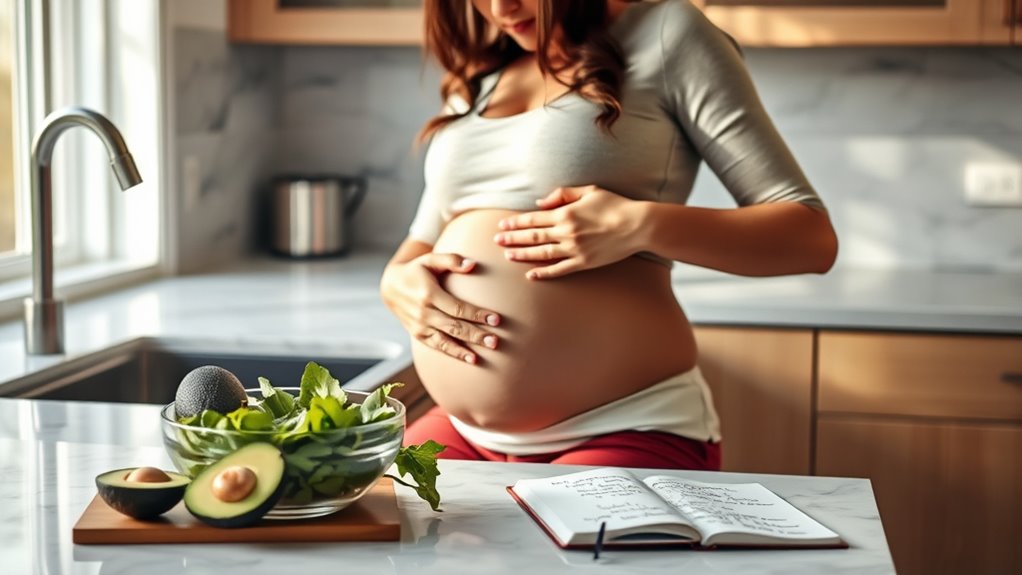
During pregnancy, your body needs a steady supply of nutrients like folic acid, iron, calcium, and vitamins to support fetal growth. Restricting carbohydrate intake might inadvertently reduce your intake of fruits, whole grains, and certain vegetables, which are critical sources of these nutrients. If you’re thinking about a ketogenic diet, it’s vital to consult with a healthcare provider or a registered dietitian who can help tailor your diet to guarantee maternal health isn’t compromised. They can recommend how to incorporate healthy fats and proteins without risking deficiencies or ketosis-related complications that could affect your pregnancy.
Consult a healthcare professional before starting keto to ensure proper nutrient intake during pregnancy.
Breastfeeding adds another layer of complexity. Your body needs to produce enough milk, which requires a consistent, nutrient-dense diet. If your carbohydrate intake drops too low, it might impact your energy levels and milk supply. Additionally, some research suggests that extreme carbohydrate restriction could alter the composition of your breast milk, potentially affecting your baby’s nutrition. It is also important to consider that nutritional needs are heightened during this period, and meeting those needs is essential for both mother and child. Again, working with a healthcare professional is key. They can help you balance your diet, ensuring you get sufficient calories and nutrients to support both your recovery and your infant’s growth.
Ultimately, while a ketogenic diet might seem appealing for certain health goals, it’s not generally recommended during pregnancy or breastfeeding without medical supervision. Your body’s nutritional needs are heightened during this time, and maintaining a well-rounded diet that supports maternal health should be your priority. If you’re considering keto, do so only after discussing it with your healthcare team, who can guide you on safe practices and help you avoid deficiencies or other health risks. Remember, prioritizing your maternal health and the health of your baby means making informed, cautious choices about your diet during this critical period.
Frequently Asked Questions
Is Keto Safe for Women With Gestational Diabetes?
Ketogenic diets are generally not recommended for women with gestational diabetes because they can affect your gestational health. You might risk nutrient deficiencies or blood sugar fluctuations that could impact your pregnancy. It’s best to consult your healthcare provider before trying any restrictive eating plan. They can help you develop a balanced diet that supports both your health and your baby’s development during this important time.
Can I Maintain Ketosis While Breastfeeding?
Yes, you can maintain ketosis while breastfeeding, but it requires careful keto meal planning and regular ketosis monitoring. You need to guarantee you’re getting enough nutrients for both you and your baby, so focus on balanced, nutrient-dense foods. Keep a close eye on your ketone levels to prevent overdoing it. Always consult your healthcare provider before making significant dietary changes during breastfeeding to keep both of you healthy.
How Does Keto Affect Fetal Development?
Imagine a pregnant woman following a ketogenic diet, aiming to boost energy levels. Keto can impact fetal development because it alters nutrient intake and energy sources, which may affect fetal health. While some studies suggest potential risks like nutrient deficiencies, others highlight the importance of balanced, well-monitored diets. Always consult your healthcare provider to guarantee your ketogenic diet supports healthy fetal development and maintains ideal fetal health.
Are There Specific Keto Foods to Avoid During Pregnancy?
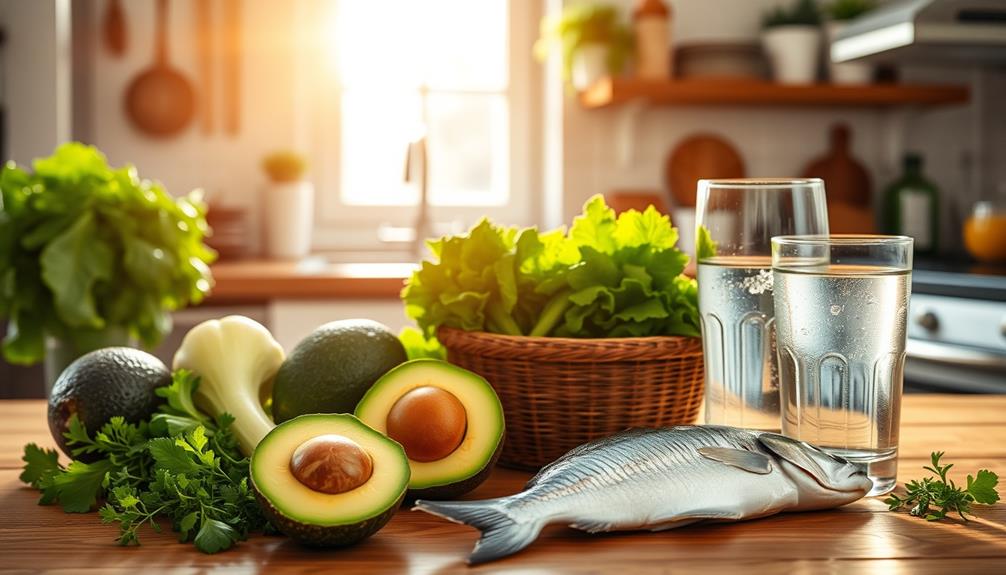
You should avoid high-mercury seafood, unpasteurized dairy, and processed meats during pregnancy. When keto meal planning, focus on nutrient-dense options like avocados, leafy greens, and healthy fats. It’s also vital to consult your healthcare provider about nutritional supplements to meet your pregnancy needs. Steering clear of certain keto foods helps guarantee both your health and your baby’s proper development while maintaining a balanced, safe approach to ketosis.
How Long Should I Wait Postpartum Before Trying Keto?
You should wait at least 6-8 weeks postpartum before trying keto, giving your body time to recover and stabilize hormonal balance. Focus on gradual postpartum weight loss and consult your healthcare provider first. Jumping into keto too soon might affect your energy levels and milk supply if you’re breastfeeding. Prioritizing your recovery guarantees you can safely pursue your health goals while supporting your baby’s needs.
Conclusion
So, you want to “keto” your way through pregnancy or breastfeeding? Just remember, while cutting carbs might seem like a genius plan, your little one’s growth isn’t the place for experiments. Keep in mind, the best diet for your baby is one that’s balanced and safe. After all, sacrificing their health for a trend might just be the biggest mistake you’ll ever regret—so maybe, just maybe, choose wisely.
Fall Picks
fall essentials
As an affiliate, we earn on qualifying purchases.