
TL;DR
For holiday cooking, start with tools that improve safety and consistency: an instant-read thermometer, a reliable knife, and a digital scale if you bake. Add a food processor, multicooker, slow cooker, or countertop oven only when it fits your menu, capacity needs, kitchen space, and cleanup routine.
Start with an instant-read thermometer for checking doneness and a digital scale if you bake regularly.
Choose processors and choppers based on batch size, setup time, and cleanup—not motor power alone.
Use multicookers, slow cookers, and countertop ovens only for dishes that suit their capacity and cooking method.
Handle mandolines with the hand guard or recommended protection, and follow the maker’s instructions.
Before buying, check storage, repeat use, replacement parts, and whether borrowing a specialty gadget would meet the need.

Get kitchen staples and gadgets delivered free with Prime
- Fast, free delivery on millions of items
- Prime Video, Amazon Music and more included
- Member-only deals all year
Start with a thermometer, knife, and scale
The most useful kitchen gadgets for holiday cooking are a thermometer for checking doneness, a sharp chef’s knife for everyday prep, and a digital scale if baking is on your menu. They solve common problems without requiring a new appliance routine, and they’re useful long after the holiday table is cleared. For example, a thermometer helps you check a turkey instead of guessing from its color or cooking time. An instant-read thermometer gives you a quick temperature check; a leave-in probe can track a roast as it cooks. Follow current food-safety guidance for the specific food, and check the thickest part without touching bone. Poultry should reach 165°F (74°C); check stuffing separately if it cooks inside the bird. Refrigerate perishable leftovers within two hours, using shallow containers so they cool promptly. A gadget is useful only if you use it correctly and follow the appliance instructions. A digital scale makes baking more repeatable because flour measured by weight varies less than flour scooped into a cup. If you bake rolls, a scale also helps you divide the dough evenly, so the small rolls finish baking around the same time as the large ones. A sharp knife speeds up onions, carrots, and herbs, while a stable cutting board keeps prep controlled. These plain tools earn their drawer space through regular use. Before shopping, write down the jobs that slow you down. If your holiday menu includes pie crust and shredded vegetables, a food processor may solve two real problems. If your biggest worry is roast doneness, buy the thermometer first. You’ll get more from a tool that fits your menu than from a gadget chosen because it looks festive.Products Worth Considering

De'Longhi Magnifica Duo Fully Automatic Espresso Machine with Milk Frother, Silver

Vitamix 5200 Blender with 64 oz Container, Black

Le Creuset Enameled Cast Iron Round Bread Oven, 9.5-Inch, Cerise
As an affiliate, we earn on qualifying purchases.
Choose a chopper that saves more time than cleanup
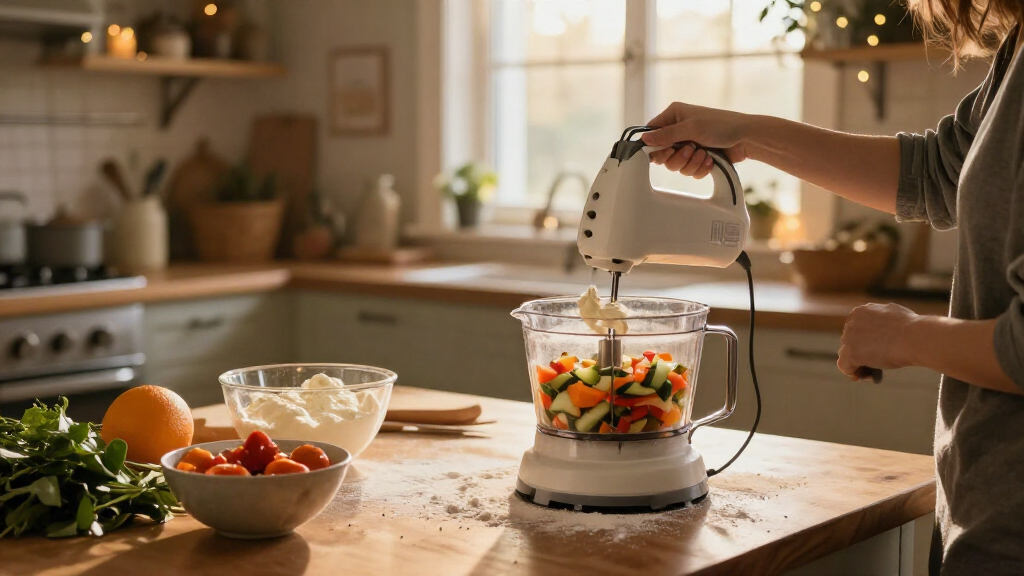
A food processor is most helpful when you have a batch of repetitive prep large enough to justify setting it up. It can chop vegetables, shred cheese, mix pastry dough, or blitz a dip, while a mini chopper suits smaller jobs such as herbs or a little onion. For example, a processor can turn a bowl of carrots into even shreds for several salads, but for one clove of garlic, your knife may be quicker.| Tool | Best holiday job | What to check |
|---|---|---|
| Food processor | Large batches, shredding, dough | Bowl size, blade storage, cleanup |
| Mini chopper | Small amounts of herbs, onion, or sauce | Capacity and easy-to-clean parts |
| Immersion blender | Soup or gravy blended in its pot | Pot depth and splatter control |
Free a burner when your oven is already full
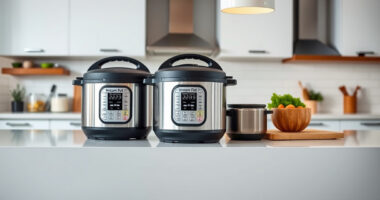
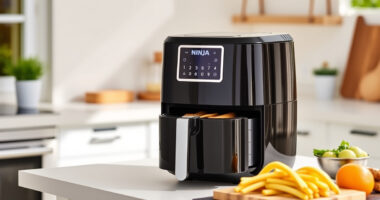
A multicooker, slow cooker, or countertop oven can help when the main oven and stovetop are busy, but each one needs a job that suits its capacity and cooking method. A pressure cooker may handle beans or a braise while your stovetop simmers gravy; a slow cooker can hold a suitable dish for serving. For instance, moving a side dish into a slow cooker may free a burner for the gravy pan. An electric pressure cooker can shorten cooking for some foods, but it still takes time to build and release pressure. Include those minutes in your schedule, and follow the appliance’s recipe and fill-level instructions. A slow cooker is handy for dishes designed for slow cooking, but it does not safely reheat food quickly. Reheat leftovers promptly by an appropriate method, then use a slow cooker to keep a suitable hot dish warm as directed by its instructions. A countertop convection oven or air fryer can brown or crisp a smaller batch of potatoes while the large oven holds the roast. But a basket that fits two portions won’t suddenly serve twelve. Plan around its real capacity, including whether foods cook evenly in a single layer. If you need to cook multiple batches, count the waiting time as part of the meal plan. Before choosing a gadget, map the menu onto the appliances you already own. Holiday cooking often means preparing several dishes at once, but a new machine helps only if you have room to set it up and time to run it. A borrowed countertop oven can be a better answer than buying one for a single crowded dinner.Slice and roast faster without making the job risky
An adjustable slicer can make piles of evenly cut vegetables quickly, and a sturdy sheet pan helps those pieces roast with good color. The tradeoff is that a mandoline’s exposed blade needs careful handling. For example, evenly sliced potatoes can form a tidy gratin, but rushing the last few pieces with bare fingers puts your hand close to the blade.- Use the hand guard or cut-resistant glove supplied or recommended by the manufacturer.
- Set the slicer on a stable surface and keep fingers clear of the blade path.
- Stop before the vegetable becomes too small to hold safely; finish the last piece with a knife.
- Wash and store the blade as directed, away from loose utensils and curious hands.
Compare the gadgets against your actual menu
You can pick a useful gadget by matching it to a recurring task, checking its capacity and care needs, and deciding where it will live. That simple check keeps the shopping list grounded when holiday displays make every appliance look indispensable. Say you’re hosting eight people and planning a roast, mashed potatoes, and a pie: a thermometer and scale could help more than an air fryer that holds only a few servings.- List the jobs that take the longest. Write down what you’ll chop, bake, blend, or monitor. If chopping onions slows you down every weekend, a chopper may be worthwhile.
- Check the batch size. Match the appliance’s usable capacity to your servings and timing. A compact air fryer may crisp one tray of appetizers but need several rounds for a crowd.
- Count setup and cleanup. Look at removable parts, washing instructions, and drying time. A processor that saves five minutes of chopping but takes fifteen minutes to clean may not suit a small dinner.
- Picture storage after the meal. Check the footprint and whether you’ll use it outside the holiday season. A scale slips into a drawer; a multicooker needs a shelf or counter space.